During the 2024 election campaign, one phrase appeared on almost every NDC billboard in Accra: the 24-hour economy. John Mahama promised to keep Ghana working through the night.
The idea is simple to state. If factories, ports, markets, public offices and service businesses operate around the clock in shifts, more people can be employed, goods can move faster and productivity can rise. Mahama argued that it would help reduce youth unemployment, one of Ghana’s biggest challenges.
How it would work
The policy encourages businesses to adopt three eight-hour shifts. Priority sectors include manufacturing, agro-processing, ports and logistics, health, security and retail. The government proposed incentives, such as reduced electricity tariffs at night, tax breaks and support for businesses that expand shifts.
Public institutions such as the ports, customs and some government services were expected to extend their hours to support trade.
Implementation
After taking office in January 2025, Mahama’s government set up a 24-Hour Economy Secretariat to coordinate the policy and formally launched the programme in 2025, presenting it as a plan combining extended working hours with investment in agriculture, manufacturing and infrastructure.
Supporters
Supporters say the policy recognises that many Ghanaians already work informally at night, from market traders to security guards, and that formalising and expanding night work could create jobs. They point to ports and industrial cities elsewhere that operate around the clock.
Critics
Critics, including the opposition, say that demand, not working hours, limits business growth. They question whether companies will hire more workers if customers are not there to buy. They also raise concerns about security, transport and lighting for night workers, and the cost of power.
What it needs
Economists say the policy will depend on reliable electricity, safe transport at night, street lighting and security, and a stable economy with affordable credit.
Workers’ rights
Trade unions have welcomed the promise of jobs but insist that night work must come with proper pay, safe transport home, rest periods and protection under Ghana’s labour laws. Women’s groups have raised concerns about the safety of women working late shifts and the need for childcare.
In Accra
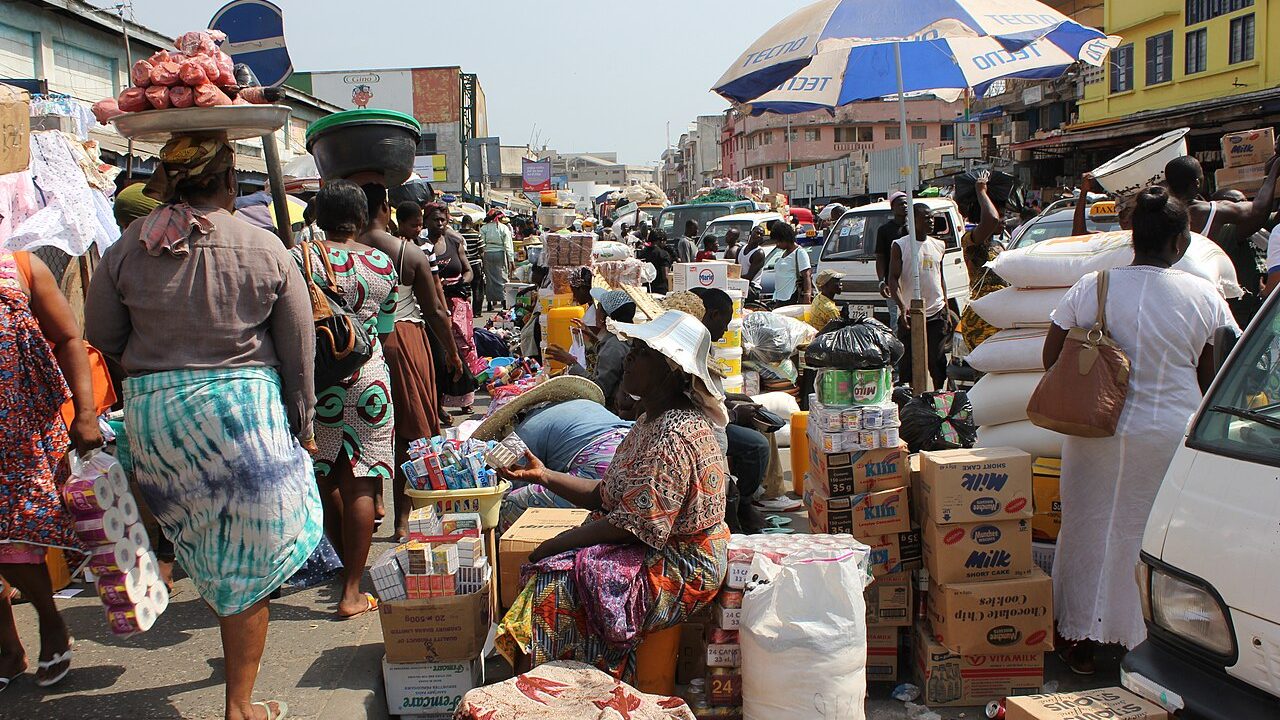
Accra already has a night economy: markets that open before dawn, bakeries, hospitals, transport terminals and nightlife. The policy aims to build on this.
The slogan won an election. Whether it changes how Ghana works will be measured in jobs, not billboards.