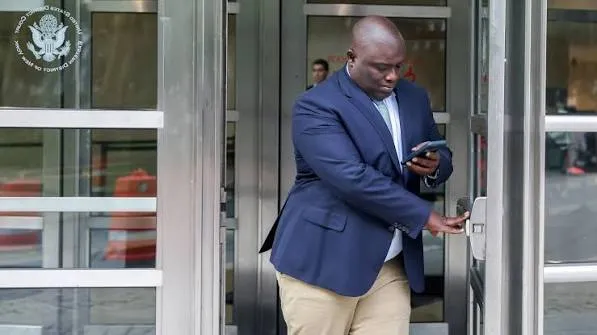
A former banker, Asante Kwaku Berko, has been convicted by a federal jury in Brooklyn of violating the U.S. Foreign Corrupt Practices Act (FCPA) and related offenses arising from more than $1 million in bribes paid to Ghanaian government officials in connection with a power-plant project.
The Case Against Berko
Berko's conviction is significant because it highlights the importance of holding both the giver and the taker accountable in cases of corruption. The U.S. Foreign Corrupt Practices Act (FCPA) has historically focused on the supply side of foreign corruption, making it clear that companies and individuals cannot pay bribes to foreign public officials to obtain or retain business. However, the recently enacted Foreign Extortion Prevention Act (FEPA) has changed the landscape, making it possible for the U.S. to prosecute foreign officials who corruptly demand or receive bribes.
A Lesson for Ghana
Ghana can learn a valuable lesson from Berko's conviction. The country's anti-bribery law should be amended to make it clear that both the foreign briber and the Ghanaian bribee can be prosecuted. This is essential in cases where foreign companies pay bribes to Ghanaian officials to influence government contracts. The foreign briber should not be able to claim that they are not accountable to Ghanaian laws. If a foreign company deliberately corrupts the exercise of Ghanaian public power, Ghana should have the power to pursue them.
Watching Both Hands
Ghana's anti-bribery law should also be amended to allow the country to track and prosecute Ghanaians who engage in corrupt activities abroad. This is crucial in preventing Ghanaian companies from using foreign shell companies to launder money and bribe foreign officials. The current law should be updated to make it clear that Ghana can pursue both the foreign briber and the Ghanaian bribee.
A New Era for Anti-Corruption
Berko's conviction marks a significant shift in the U.S. approach to anti-corruption. The U.S. is no longer just focusing on the supply side of foreign corruption but is now also targeting the demand side. This change is reflected in the recently enacted Foreign Extortion Prevention Act (FEPA), which makes it possible for the U.S. to prosecute foreign officials who corruptly demand or receive bribes. Ghana can learn from this shift and update its anti-bribery law to make it clear that both the foreign briber and the Ghanaian bribee can be prosecuted.
The Berko case highlights the importance of holding both the giver and the taker accountable in cases of corruption. Ghana's anti-bribery law should be amended to make it clear that both the foreign briber and the Ghanaian bribee can be prosecuted. This is essential in preventing corruption and promoting transparency and accountability in government contracts. The U.S. approach to anti-corruption, reflected in the recently enacted Foreign Extortion Prevention Act (FEPA), should serve as a model for Ghana to update its anti-bribery law and make it clear that both the foreign briber and the Ghanaian bribee can be pursued.
Source: Joy Online