Schoolchildren Forced to Work in Ghana's Illicit Mines
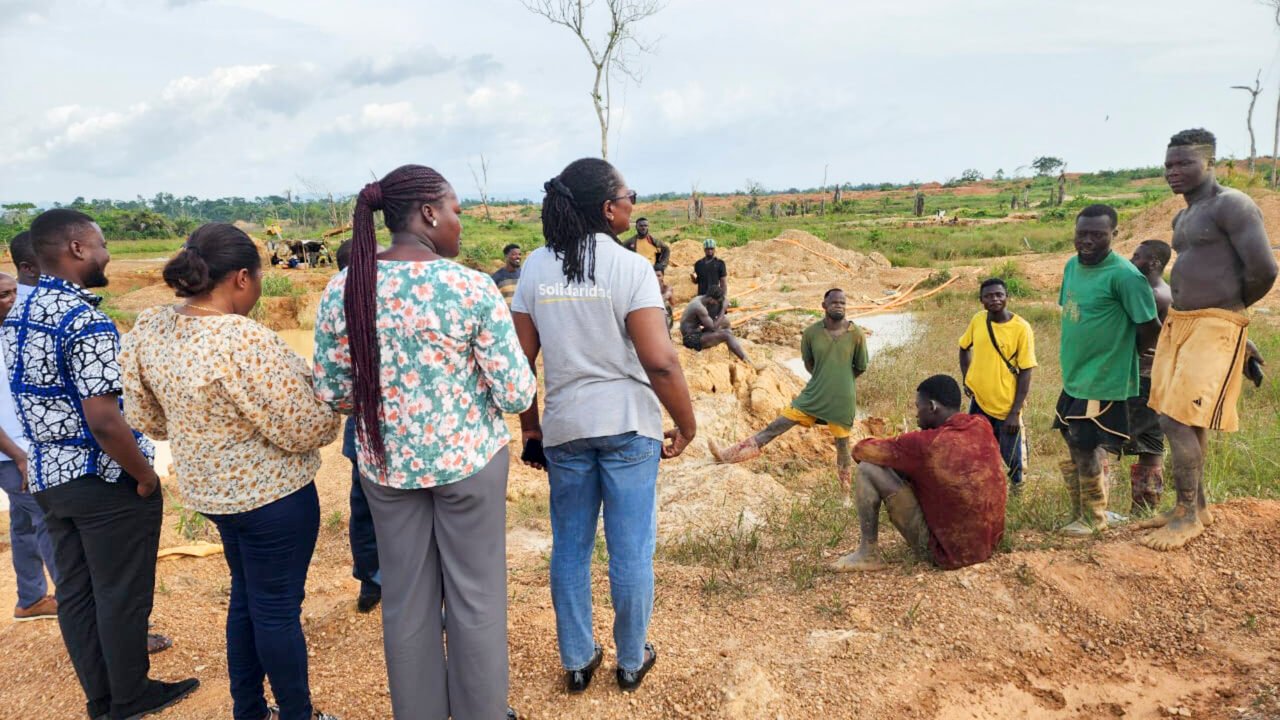
Schoolchildren as young as 10 are abandoning classrooms for Ghana's illicit mines in search of quick income to support their families, according to a recent study. The study, conducted by Solidaridad West Africa and the Minerals Commission across four mining communities in the Atiwa West District of the Eastern Region, revealed that children are engaged in hazardous tasks at abandoned and unregulated mining sites, exposing them to unsafe pits and machinery, mercury and other toxic chemicals, exploitation, and abuse.
A Growing Threat to Education and Childhood
Across the district, school attendance and enrollment are sharply declining. The findings were echoed by the Atiwa West District Education Directorate, which expressed concern about the growing impact of illegal mining on education outcomes across the district. "When children leave school for mining, the consequences extend far beyond lost classroom time," said John Kwasi Osafo, District Director of Education, Atiwa West District. "Education equips young people with the knowledge, skills, and opportunities to build better lives. Without it, many children are more likely to remain trapped in low-paying and hazardous work, limiting not only their own potential but also the future development of their communities and the nation."
Addressing the Root Causes of Child Labour
The study highlights that child labour is equally influenced by behavioural and social factors such as peer pressure, the desire for quick income, weak parental supervision, and the growing perception that education offers limited immediate benefits. Children reported earning between GH₵100 and GH₵1,000 on productive days, although earnings vary considerably depending on the nature of the work and access to mining proceeds. "I have worked at my father's mining site for two years and can earn up to GH₵1,000 a day supervising ore washing," said a 16-year-old participant in the study.
A Community-Led Solution
The Minerals Commission and Solidaridad West Africa are piloting an incentive-based child labour-free community initiative in the Atiwa West district. The initiative aims to identify and eliminate child labour risks, encourage school attendance and retention, reward communities for maintaining child labour-free standards, strengthen local child protection systems, build sustainable livelihood alternatives for families, and foster community ownership in protecting children. "Ending child labour in mining communities requires more than enforcement," said Rosemary Addico, Programme Manager for Responsible Gold at Solidaridad. "It also calls for collective action to address the social and economic factors that place children at risk."
Source: Joy Online