
From August 17, landlords and hostel operators across Ghana will be required to issue rent cards to tenants, as the Rent Control Department steps up enforcement of existing rent laws. This move aims to improve transparency, accountability, and tenant protection within the country's rental sector.
Mandatory Rent Cards for Compliance
The Department has directed landlords to demonstrate compliance with the mandatory rent-card requirements when accessing services from August 17, 2026. This includes providing evidence that they have issued and maintained the required rent card. Acting Rent Commissioner Frederick Opoku said in a statement that the measures form part of efforts to improve transparency and accountability within Ghana's rental sector.
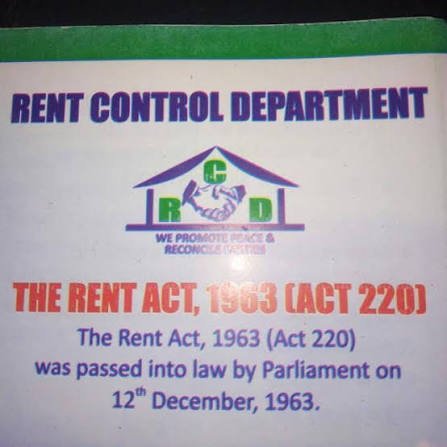
Under Section 20(1) of the Rent Act, 1963 (Act 220), landlords of premises let on a monthly or shorter tenancy are required to issue tenants with a rent card within seven days after the tenancy begins. The card must contain the names and addresses of the landlord and tenant as well as the amount of rent payable. Landlords have also been reminded of the requirement to register tenancy and lease agreements, as outlined in Section 4 of PNDCL 138.
Registration of Tenancies and Property Records
The Department has directed landlords and property owners to regularise their registration and property records by November 30, 2026. Failure to do so could result in applications for administrative services being deferred or declined until the necessary documentation has been submitted and verified. The law also provides that a landlord cannot demand or receive rent for such accommodation without complying with the registration requirement.
Hostel Operators Under Scrutiny
From the 2026/2027 academic year, hostel operators whose accommodation arrangements fall under the applicable rent laws will be required to issue prescribed rent cards to student tenants and comply with relevant registration requirements. They will also be expected to maintain records of student tenants, accommodation occupied, rent payable, tenancy periods, and other information required by law. The Rent Control Department said it will engage tertiary institutions, student representative bodies, hostel associations, local authorities, and other regulators to support the implementation.
Education-First Approach
The Department will adopt an education-first but enforcement-backed approach, giving landlords and hostel operators a reasonable opportunity to regularise their affairs while taking action against persistent or deliberate violations of the law. Acting Rent Commissioner Frederick Opoku said that proper documentation of rental arrangements would improve accountability, dispute resolution, and tenant protection while promoting responsible property management.
The Rent Control Department's move to intensify monitoring and enforcement of rent laws comes as a welcome relief for many tenants who have been exploited by landlords and hostel operators. The implementation of rent cards and registration requirements will not only protect tenants' rights but also promote a more responsible and accountable property management culture in Ghana. As the Department progresses with its education-first approach, it is essential that landlords and hostel operators take the necessary steps to regularise their affairs and comply with the law.
Source: Joy Online