
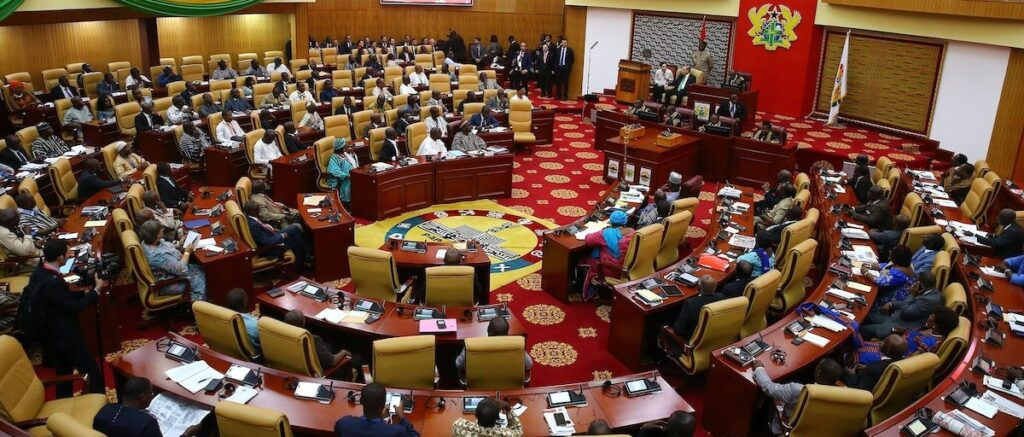
Parliament has identified and corrected a constitutional flaw in the new Cocoa Bill's mining provision. The provision in question would have required the Chief Executive of the Ghana Cocoa Board (COCOBOD) to give express permission for mining activities even after a valid mining license had been issued.
Constitutional Flaw Uncovered
According to Jerome Kwame Sam, the Head of Public Affairs at COCOBOD, the provision was inconsistent with the Constitution and the Minerals and Mining Act. He stated that mineral deposits are vested in the President, while the relevant minister, acting on that authority, issues mining licenses. Requiring an additional approval from the COCOBOD Chief Executive after a valid mining license had been issued would have created a conflict with the constitutional framework.
The provision was subsequently addressed through Parliament's legislative scrutiny process. Mr. Sam explained that the Bill was not drafted solely within COCOBOD, but rather went through consultations with experts and Parliament's legislative committee before being subjected to clause-by-clause examination.
Parliament's Scrutiny Process
Parliament's scrutiny process involved clause-by-clause examination of the Bill. According to Mr. Sam, the legislative committee scrutinized the Bill and made changes where necessary, including amendments and deletions of provisions that required correction. He stressed that the Bill was subject to fine scrutiny by Parliament's lawyers, who were present during the clause-by-clause examination.
Mr. Sam dismissed criticisms of the new Cocoa Bill by the Minority, which has raised concerns about aspects of the legislation. He insisted that the legislation is intended to protect cocoa farmers and introduces several reforms that did not previously exist under the laws governing the cocoa sector.
Protecting Cocoa Farmers
The new Cocoa Bill aims to protect the interests of cocoa farmers. Mr. Sam emphasized that the Bill introduces several reforms that have been introduced in the bill, which ab initio never existed in any of the laws that govern the sector. He also maintained that Parliament's scrutiny of the Bill should counter suggestions that lawmakers did not have sufficient opportunity to examine its provisions.
The Cocoa Bill is now before President John Mahama for consideration after its passage by Parliament. The passage of the Bill is a significant step towards reforming the cocoa sector, which has been plagued by issues such as corruption and inefficiency. The Bill's provisions aim to address these issues and promote transparency and accountability in the sector.
Implications for Cocoa Sector
The implications of the new Cocoa Bill for the cocoa sector are far-reaching. The Bill's provisions aim to promote transparency and accountability in the sector, which could lead to increased efficiency and reduced corruption. However, the Bill's passage has also been met with criticism from the Minority, which has raised concerns about aspects of the legislation.
The outcome of the Bill's passage will depend on President Mahama's consideration of the Bill. If the Bill is signed into law, it will mark a significant step towards reforming the cocoa sector. However, if the Bill is rejected, it could have significant implications for the sector and the economy as a whole.
Source: Joy Online