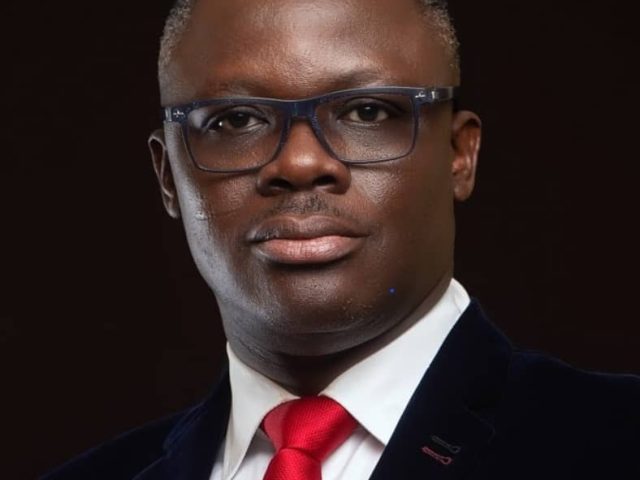
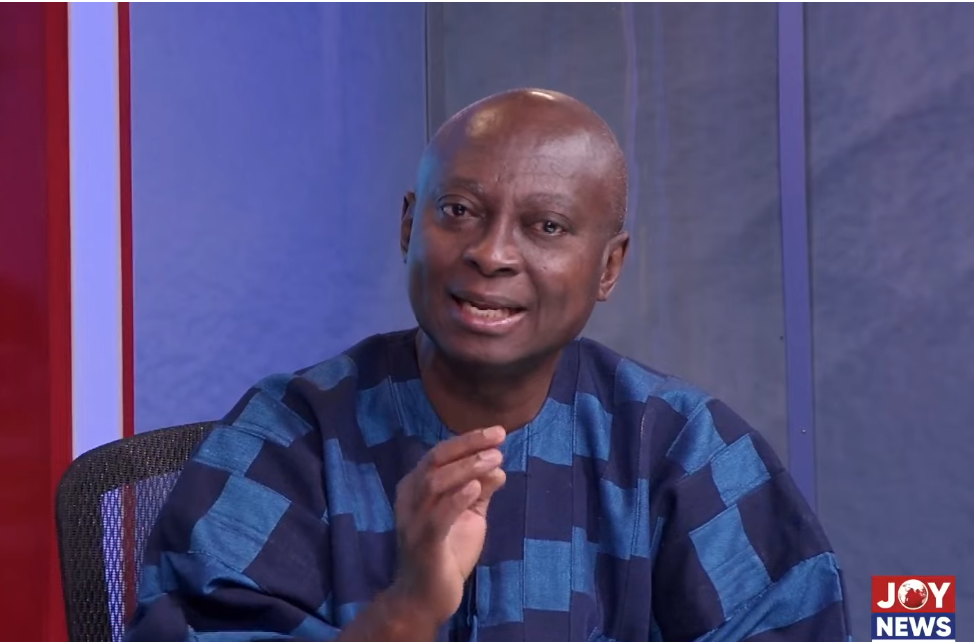
Samuel Atta Akyea, the lawyer for former National Signals Bureau (NSB) Director-General Kwabena Adu-Boahene, has come out in defense of his decision to lead his client's defense.
Atta Akyea insists the case is too significant to be handled by junior lawyers, citing the unprecedented national security implications surrounding the allegations against Adu-Boahene.
The Lawyer's Case for Experience
Atta Akyea rejected suggestions that lawyers in his chamber could represent Adu-Boahene in the ongoing case, stating that the case requires a lawyer with substantial experience. He argued that even a highly skilled lawyer could find the circumstances difficult to navigate.
The former Energy Minister emphasized that Adu-Boahene needs his experience and "gravitas" to navigate the case. He claimed that national security matters have historically not been subjected to open trials, making the current proceedings an unprecedented challenge.
Questions of Selective Justice
Atta Akyea also raised concerns about what he described as selective justice in the handling of cases before the courts. He questioned why certain criminal cases receive expedited attention while other serious offenses remain pending.
The lawyer cited murder, manslaughter, and rape cases as examples of criminal matters that have been left pending. He asked, "What selective justice is the chief justice trying to force on us?"
A Long-Standing Lawyer's Perspective
Atta Akyea stated that he had come too far in his legal career to allow one case to override established legal practices. He emphasized that he is not a "little boy in the game" and will not use one case to cancel the traditions, practices, and statutory provisions of Ghana.
The lawyer's comments come as the trial of Adu-Boahene continues amid heightened public attention. The case has generated significant interest due to the national security implications surrounding the allegations against the former intelligence chief.
The outcome of the trial and the implications of Atta Akyea's comments on selective justice in Ghana's court system remain to be seen.
Source: Joy Online