Lebanon's parliament voted to abolish the death penalty on Tuesday, making it the first country in the Middle East to formally end capital punishment. The move, which would replace the death penalty with life imprisonment with hard labour, still needs to be signed into law by President Joseph Aoun.
Rights Groups Hail Victory After Years of Campaigning
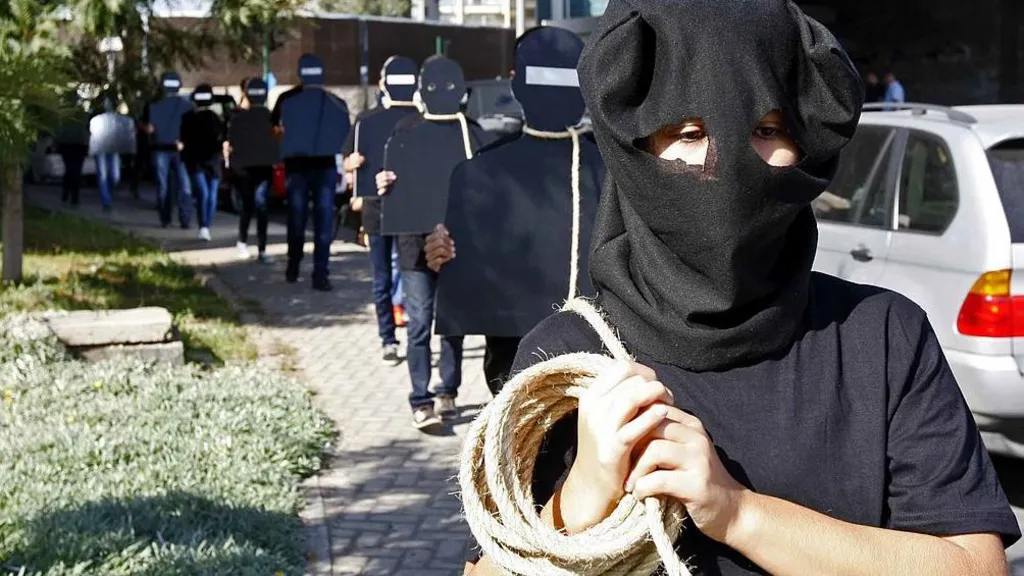
The legislation has been years in the making, with civil society groups and lawyers leading the charge to remove the death penalty from Lebanese law. Oragit Younan, co-founder of the Lebanese Association for Civil Rights, has been at the forefront of the campaign, which has spanned nearly three decades. "We cannot solve a crime with a crime or end violence with violence," Younan told the BBC.
The vote follows more than two decades of a de facto moratorium on executions, with no executions carried out since January 2004. Despite this, courts have continued to hand down death sentences, leaving over 78 people on death row. Rights groups estimate that the new legislation would mean a significant shift in the country's approach to capital punishment.
Lebanon's Move a Rare Beacon of Hope in the Middle East
Lebanon's decision to abolish the death penalty comes as the use of capital punishment remains contested elsewhere in the Middle East. In contrast, other countries in the region have taken steps to expand the use of the death penalty. In June, Jordan resumed executions, carrying out its first since 2017. In Israel, parliament has approved legislation that allows for the expansion of the circumstances in which capital punishment can be imposed.
The move is also notable given the current climate in Iran, where the UN human rights chief has expressed alarm at the rise in executions. At least 56 people have been executed on national security-related charges since 19 March, including 27 in cases linked to January's nationwide anti-government protests.
What Next for Lebanon's Abolition Efforts?
The new legislation will now go to the cabinet before being passed to President Joseph Aoun for signing. The government has already expressed its support for the measure, but the specifics of how the new sentence will be enforced remain unclear. Hard labour is already written into Lebanese law, but has rarely been implemented in recent years.
As the country moves forward with the abolition of the death penalty, it will be interesting to see how this shift in approach to capital punishment affects the country's justice system. Will the new legislation bring about significant changes in the way crimes are punished, or will it be business as usual? Only time will tell.
The vote in parliament on Tuesday marks a significant step forward for human rights in Lebanon, but it is not the end of the journey. As Oragit Younan said, "We are in a war, and people [have been] killed every day, so even in this situation, we can fight, we can struggle for human rights, and we can win. We can be a model for others." With this in mind, it will be worth watching to see how Lebanon's decision to abolish the death penalty plays out in the months and years to come.
Source: Joy Online