Scientists at the Council for Scientific and Industrial Research (CSIR) have sounded the alarm on Ghana's polluted water bodies, calling for coordinated and sustainable measures to restore the country's water security. About 60 per cent of Ghana's water bodies have been reported to be polluted, threatening public health, food production, and livelihoods.
CSIR Warns of Water Pollution Threats
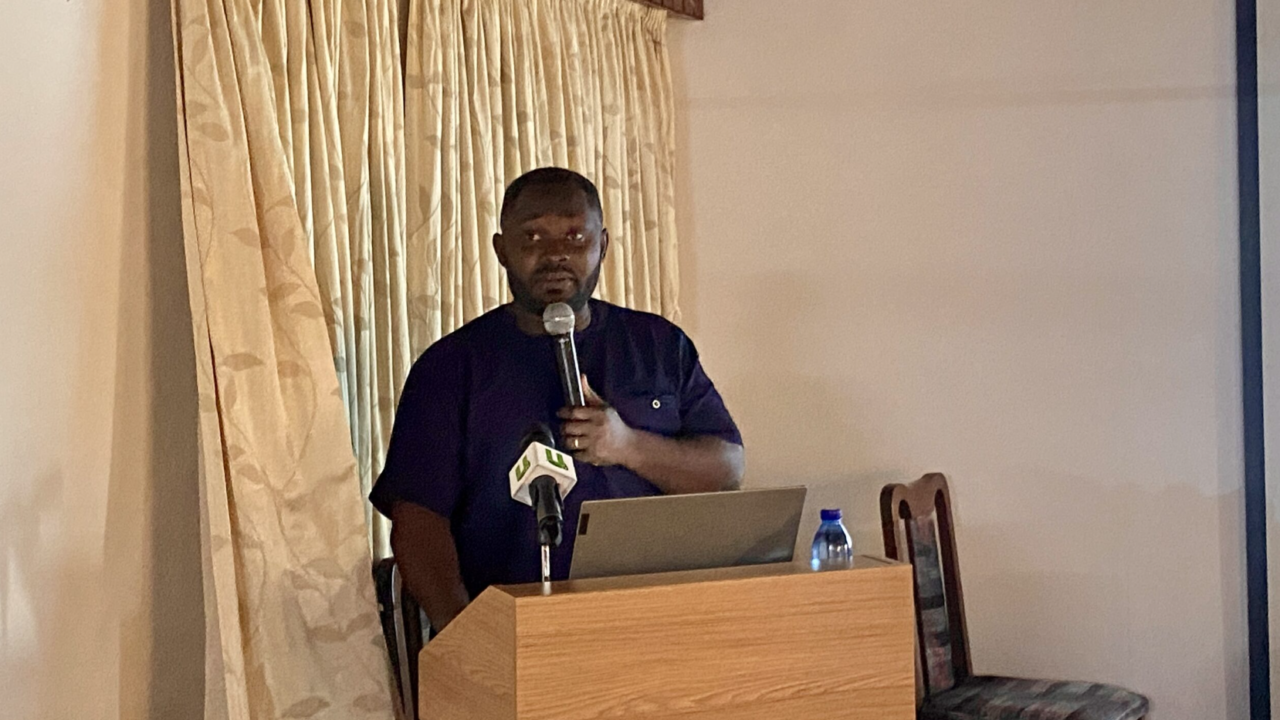
The CSIR-Water Research Institute's Mid-Year Review 2026 in Accra highlighted the urgent need for science-based measures to address the issue. Presenting a paper titled "Can Ghana Heal Her Waters? Towards Sustainable Remediation of Polluted Water Bodies," Dr Franklin Obiri-Nyarko, a Research Scientist at the WRI's Groundwater and Geoscience Division, said illegal mining, or galamsey, was a major driver of water pollution. He noted that other human activities, including agriculture, industrial activities, households, and communities, also contributed to the pollution.
Dr Obiri-Nyarko cited contaminants detected in polluted water bodies, including suspended sediments and toxic substances such as mercury, lead, cadmium, arsenic, cyanide, and manganese. He warned that prolonged exposure to these contaminants could contribute to neurological damage, kidney and respiratory problems, developmental disorders, and cancers, particularly among vulnerable groups.
Addressing the Sources of Pollution
Dr Obiri-Nyarko proposed a five-pronged approach to address the issue, involving reducing pollution at its source, preventing the spread of contaminants, treating polluted water with complementary technologies, restoring affected ecosystems, and undertaking continuous monitoring and adaptive management. He cautioned against relying on a single remediation technology, saying an intervention that removed one contaminant could potentially introduce another environmental risk.
He cited the recovery of the River Thames in the United Kingdom as an example of how long-term investment, regulation, enforcement, wastewater treatment, and pollution control could restore severely polluted water bodies. Dr Obiri-Nyarko called for stronger enforcement of environmental and mining laws, alternative livelihoods for illegal miners, investment in local remediation technologies, and continuous monitoring of water quality.
Assessing the Impact of Mining Activities
Mrs Zita Abuntori, a Research Scientist at the WRI's Tamale Station, presented findings from a study assessing water quality along the Volta River system from northern Ghana to Ada. She said the study found evidence of mining-related impacts on tributaries feeding into the White Volta and Black Volta systems. Runoff from mining areas entered tributaries and eventually flowed into the main river systems, while activities in neighbouring riparian countries, including Burkina Faso and Côte d'Ivoire, also had implications for Ghana's water resources.
Mrs Abuntori said although pH levels were generally within acceptable drinking-water limits, some areas recorded high turbidity, while significant levels of heavy-metal contaminants were detected in tributaries directly affected by mining. She cautioned that mining activities could also affect groundwater by exposing and mobilising minerals that could subsequently enter underground water systems.
Community Concerns and Alternative Livelihoods
Dr Prosper Bazaanah, who presented the socio-economic component of the Volta River study, said communities along the river system depended heavily on rivers, streams, and groundwater for farming, fishing, domestic activities, food preparation, and small businesses. He said residents consistently identified illegal mining as the leading source of water pollution in their communities. The degradation of water bodies was forcing communities to increasingly depend on groundwater, while traditional livelihoods such as farming, fishing, and trading were gradually giving way to mining.
Dr Bazaanah said abandoned mining pits also posed risks to children and animals, while the influx of miners from other countries had compounded some of the social and environmental pressures in affected communities. He highlighted the need for genuine alternative livelihood programmes and responsible, regulated mining, rather than relying solely on temporary crackdowns.
A Call for Collective Action
The CSIR's warning on Ghana's water bodies serves as a stark reminder of the urgent need for collective action to address the issue. The science is clear: coordinated and sustainable measures are necessary to restore Ghana's water security. The CSIR's proposed five-pronged approach provides a roadmap for addressing the issue, but it will require a concerted effort from all stakeholders, including government, civil society, and the private sector. The future of Ghana's water bodies depends on it.
Source: Joy Online