
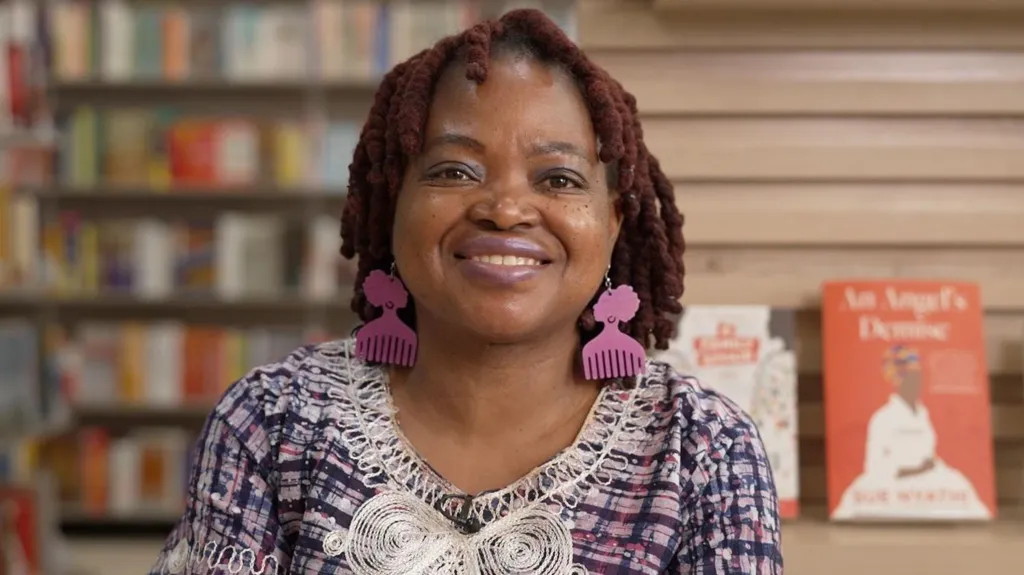
Sue Nyathi's novel The Polygamist, first self-published in 2012, has become a global phenomenon, topping Netflix's most streamed series in over 60 countries, including the United States. The show, which explores the complexities of modern polygamy in South Africa, has sparked heated debates about representation, cultural sensitivity, and the portrayal of power dynamics in relationships.
Zimbabwean Roots and Global Reach
Nyathi, a Zimbabwean author, drew inspiration from her family's polygamous past, where her grandfather had five wives and her great-grandfather had 11. However, the novel is not a straightforward story about traditional polygamy, but rather a critique of the modern, corrupted version where men deceive and exploit multiple women. The book's success has been nothing short of remarkable, with over 500 copies sold in its first print run.
Polygamy on the Small Screen
The Netflix adaptation, which premiered in 2023, has been met with both praise and criticism. Some have argued that the show conflates polygamy with cheating, fraud, and abuse, while others see it as a reflection of real-life experiences. Nyathi maintains that the series is not anti-polygamy, but rather a critique of the lack of agency and consent in modern polygamous relationships. The show's themes of power dynamics, consent, and the exploitation of women have resonated with audiences worldwide.
Cultural Sensitivity and Representation
Nyathi has been vocal about the importance of cultural sensitivity and representation in media. By making affluent black Africans the protagonists, she aimed to challenge the stereotypical view of Africans as being associated with poverty. The show's use of the Zulu language has been praised for its cultural richness and authenticity. However, not everyone has welcomed the reflection of modern polygamy in the series. Kenyan civil servant Geoffrey Mosiria has called for the show to be banned, arguing that it promotes a negative view of polygamy.
A Writer's Journey
Nyathi's own journey to becoming a writer is a testament to her determination and perseverance. After working in finance for almost two decades, she left her corporate job at the age of 40 to write full-time. Her novel, The Polygamist, was written in the evenings after she finished work. Nyathi's experience as an investment analyst taught her to see writing as both a craft and a business. She is now 48 and has achieved overnight success, but the work has been put in over many years.
What's Next for The Polygamist
The success of The Polygamist has sparked a wider conversation about representation, cultural sensitivity, and the portrayal of power dynamics in relationships. The show's themes of consent, agency, and exploitation have resonated with audiences worldwide. As the debate continues, one thing is clear: Sue Nyathi's novel has opened many eyes to the complexities of modern polygamy and the need for more nuanced discussions about representation and cultural sensitivity in media.
Source: Joy Online