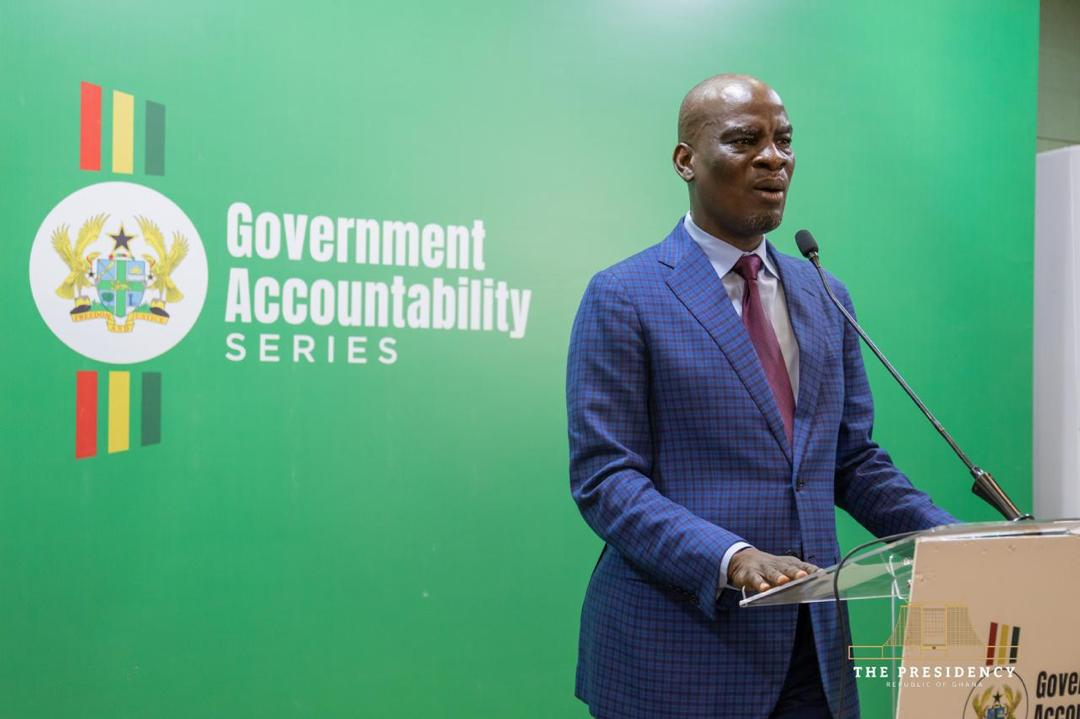
Haruna Iddrisu, the Minister of Education, has identified foundational learning, particularly literacy and numeracy, as a priority for improving education outcomes. He made this statement at the Ghana and Regional Foundational Learning Evidence and Implementation Support Day in Accra, organised in collaboration with the World Bank, UNICEF, and the Jacobs Foundation.
Focusing on Foundational Learning
Mr Iddrisu said that increased access to schooling had not necessarily translated into improved learning outcomes. He stressed the need to shift from measuring educational progress through enrolment and infrastructure alone. "There are learners in school who are simply not learning," he said, highlighting the importance of foundational learning as the gateway to success at every level of education.
The Minister acknowledged that Ghana has made significant progress in expanding access to education, with primary school enrolment approaching universal levels. However, he noted that the country must now address the challenge of ensuring that children in school acquire the knowledge and skills expected at their respective levels.
Addressing the Challenge of Classroom Facilities
Mr Iddrisu cited the Auditor-General's report on education and the Ghana Education Service, which revealed that about 10,700 public basic schools across 13 regions lack adequate classroom facilities. He described the situation as unacceptable, particularly in view of Ghana's constitutional commitment to free, compulsory, and universal basic education.
The Minister stressed the importance of research and evidence in shaping education policy and resource allocation. He called on researchers and education stakeholders to provide frank and candid assessments of the state of education, including infrastructure, assessment, quality assurance, and learning outcomes.
Education Reform and Skills Training
Mr Iddrisu linked education reform to youth unemployment and underemployment, saying that Ghana cannot effectively address the growing number of young people without significant investment in education, particularly skills training and development. He commended the World Bank and its Ghana Accountability for Learning Outcomes Project (GALOP), which has identified about 10,579 low-performing basic schools and provided additional resources and technical support to improve their performance.
The Minister said that education interventions must be tailored to the specific circumstances of schools and communities to achieve meaningful improvements in learning. He announced that the government has revised the national curriculum from kindergarten through Primary Six, although the revised curriculum is yet to receive final policy approval from Cabinet.
Emphasis on Emerging Technologies
The revised curriculum is expected to place greater emphasis on ethical and moral values, digital and technical skills, as well as emerging technologies such as robotics, coding, electronics, and artificial intelligence. Mr Iddrisu said that this will equip young people with relevant skills for the changing labour market.
The Minister's statement highlights the need for a focus on foundational learning and the importance of research and evidence in shaping education policy and resource allocation. As Ghana continues to grapple with the challenge of ensuring that children in school acquire the knowledge and skills expected at their respective levels, the government's revised curriculum and education reform efforts will be closely watched by stakeholders and the public alike.
Source: Joy Online