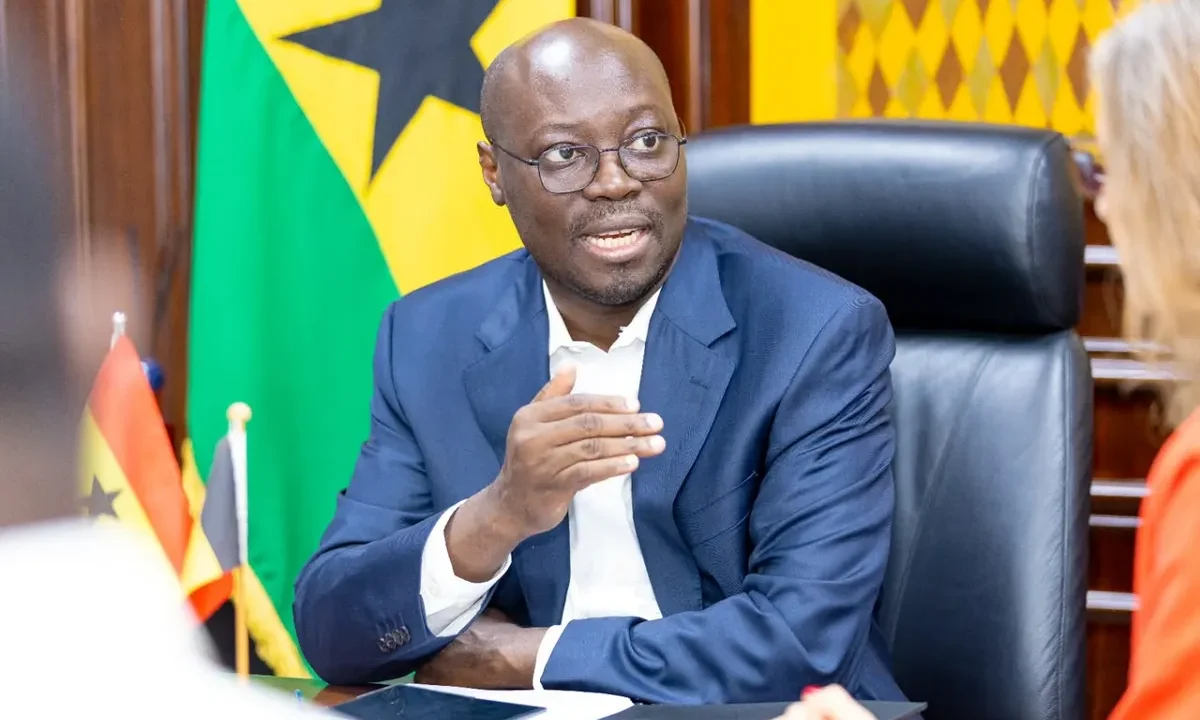
Finance Minister Dr. Cassiel Ato Forson has announced that Ghana's debt burden is easing as spending on debt servicing has dropped to 18% of revenue. This development is expected to create fiscal space for infrastructure investment, a move that could have significant implications for the country's economic growth.
Ghana's Debt Burden Falls Sharply
According to recent reports, Ghana's debt burden will ease sharply this year as the economy expands and the government reins in spending after a debt crisis. The country's debt burden has been a major concern in recent years, with the government struggling to service its debts. However, with the economy showing signs of recovery and the government taking steps to reduce its spending, the debt burden is expected to ease significantly.
Cedi's Surge Eases Foreign Debt Burden
The Ghanaian cedi has jumped more than 40% versus the US dollar this year, shrinking the cost of the country's foreign debt by almost 150%. This surge in the cedi's value has been a major factor in easing Ghana's foreign debt burden, a development that is expected to have a positive impact on the country's economy. The cedi's strength has been driven by a combination of factors, including a surge in gold prices and a decline in inflation.
Government's Efforts to Reduce Debt Burden
The government has taken several steps to reduce the country's debt burden, including restructuring local currency debt and debt owed to bilateral official-sector creditors. In October, the government successfully concluded the exchange of Eurobonds, a move that is expected to reduce the country's debt burden further. These efforts have been welcomed by international creditors, who have expressed confidence in the government's ability to manage the country's finances.
What This Means for Ghana's Economy
The easing of Ghana's debt burden is expected to have significant implications for the country's economy. With more funds available for infrastructure investment, the government is likely to focus on projects that will drive economic growth and create jobs. However, the high cost of living in Ghana remains a major concern, and the government will need to find ways to address this issue in order to ensure that the benefits of economic growth are shared by all.
The government's efforts to reduce the country's debt burden are a positive step towards economic recovery, and the country's economic prospects are expected to improve significantly in the coming months. As the government continues to implement its economic reforms, it is likely that Ghana's economy will experience a period of sustained growth, a development that will have a positive impact on the lives of Ghanaians.
Source: 3News