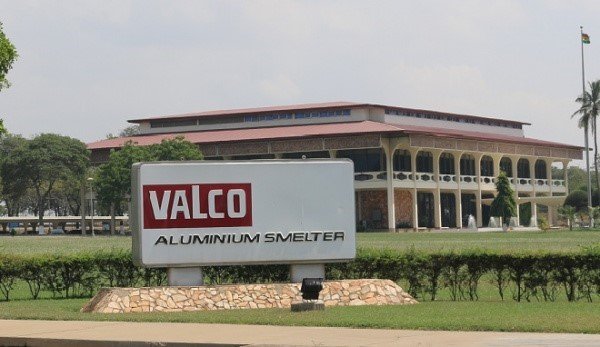
VALCO's Finance Director Sepenu Agbetsise announced the company's new continuous casting and rolling mill, capable of producing aluminium rods for the domestic electrical cable industry and potentially the international market. The development is expected to strengthen Ghana's efforts to retain more value from its aluminium resources.
The Volta Aluminium Company Limited (VALCO) has positioned itself to move beyond primary aluminium production with the introduction of a new production line. According to Mr Agbetsise, the new mill had already undergone industrial testing with two local cable manufacturers, Nexans Kablemetal and Reroy Cables, with the companies providing satisfactory feedback on the samples supplied.
New Era for Ghana's Aluminium Sector
The new rolling mill provides an important link in Ghana's integrated aluminium industry development by creating an avenue for aluminium produced in Ghana to be converted into products required by other industries. VALCO's Finance Director Sepenu Agbetsise said the development represents an important shift in VALCO's traditional role as a producer of primary aluminium to a more integrated operation capable of supplying higher-value products to manufacturers.
By producing aluminium rods locally, VALCO could provide manufacturers with a domestic source of an important intermediate product, potentially shortening supply chains and reducing exposure to international freight costs and supply disruptions. The new mill could have significant implications for Ghana's cable and manufacturing industries, which rely substantially on imported aluminium inputs.
Eye on the Export Market
VALCO is also looking beyond the domestic market as it seeks to establish the quality and commercial viability of its products internationally. As of June 2026, about 25 metric tonnes of H11 Electrical Conductor (EC) grade aluminium rods had been shipped to Europe for testing. The results were expected by the end of August, according to the information presented at the review.
Successful testing and market acceptance could open another avenue for VALCO to supply value-added aluminium products to international customers, strengthening Ghana's position in the global aluminium market. VALCO's Finance Director Sepenu Agbetsise said the company is in a position to supply aluminium rods directly to manufacturers, reducing their reliance on imported inputs.
Completing the Value Chain
The development of an alumina refinery has consequently become a critical component of Ghana's ambition to establish an integrated aluminium industry. VALCO relies on imported alumina as the key raw material for its smelting operations, placing pressure on the company's working capital due to the time between placing orders, making payments, and receiving the material.
A domestic alumina refinery could substantially shorten the supply chain, reduce inventory-in-transit requirements, and ease financing and logistics costs. VALCO's Finance Director Sepenu Agbetsise said local alumina production could reduce both financing requirements and operating costs, improving the competitiveness of the Ghanaian smelting industry.
A Double Benefit
The emerging production capacity could provide a double benefit: creating a market for locally produced aluminium while giving Ghanaian manufacturers access to locally sourced intermediate materials. VALCO has identified sectors including construction, automotive, packaging, and other manufacturing industries as potential markets where locally produced aluminium products could substitute imported inputs.
The new rolling mill could mark an important step in VALCO's transition from a traditional smelter into a more diversified producer of value-added aluminium products. It also reinforces the broader policy objective of ensuring that Ghana does not merely possess the raw materials and infrastructure for an aluminium industry but captures a greater share of the economic value generated along the entire chain.
Source: Joy Online