
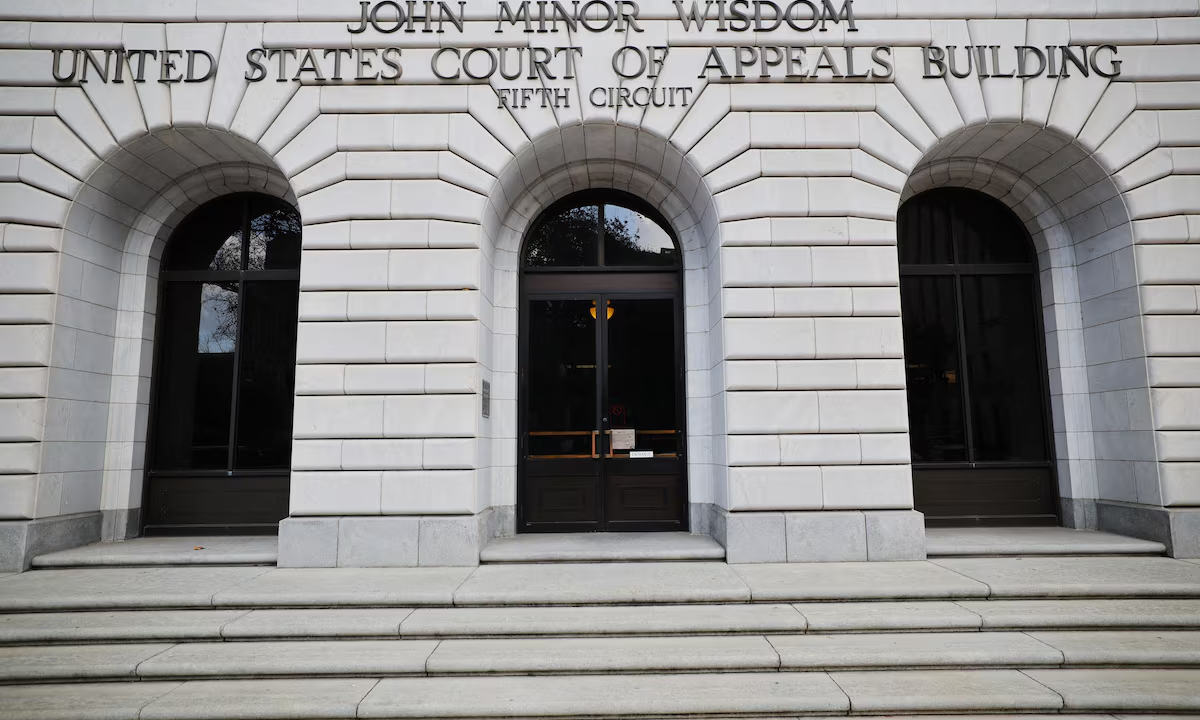
A U.S. appeals court has asked to hear arguments over whether a lower court judge in Mississippi should be reassigned from a case after he issued an order containing errors stemming from the use of AI. The 5th U.S. Circuit Court of Appeals panel made the request in light of a previous incident where U.S. District Judge Henry Wingate admitted to using AI to prepare court orders in unrelated cases.
Errors in Court Order Raise Questions About AI Use
In July 2025, Judge Wingate issued a temporary restraining order blocking state officials from enforcing a ban on diversity, equity, and inclusion programs in state universities and public schools. However, the order contained serious errors, including references to made-up material, incorrect plaintiffs and defendants, and other mistakes. Wingate replaced the order after lawyers for the state pointed out the errors, but declined to explain why they occurred.
Use of AI Tool Raises Concerns
According to an October letter to U.S. Senate Judiciary Committee Chairman Chuck Grassley, Wingate revealed that a law clerk used the AI tool Perplexity to "synthesize publicly available information on the docket" as a drafting assistant. Wingate described this as a "lapse in human oversight," but the incident has raised concerns about the use of AI in the judicial system. Grassley had previously called out the judges for using AI to prepare court orders, labeling them "error-ridden."
Reassignment of Judge Sought
The 5th U.S. Circuit Court of Appeals panel has asked lawyers in the case to be prepared to address whether Judge Wingate should be reassigned to a different district judge, especially in light of the use of AI by the district court. This decision comes after Wingate admitted to using AI in unrelated cases, sparking concerns about the integrity of the judicial process. The appeal is set for oral argument on August 31.
Implications for Judicial System
The use of AI in the judicial system has raised questions about accountability and oversight. While AI tools can assist with research and drafting, they should not be used as a substitute for human judgment and oversight. The incident highlights the need for clear guidelines and protocols around the use of AI in the judicial system to ensure that errors are minimized and the integrity of the process is maintained.
The state is challenging a preliminary injunction issued by Judge Wingate in the case, which is set to be heard by the 5th U.S. Circuit Court of Appeals on August 31. The outcome of this appeal will have significant implications for the use of AI in the judicial system and the accountability of judges who use these tools.
Source: Joy Online