Work on the Lafa Basin, a major water retention area in Accra, has begun to stem the devastating floods that have plagued the surrounding communities for years. The operation, led by the Post-Flood Mitigation Task Force, aims to restore the basin's drainage capacity and prevent future encroachment.
Years of Neglect: The Root of the Problem
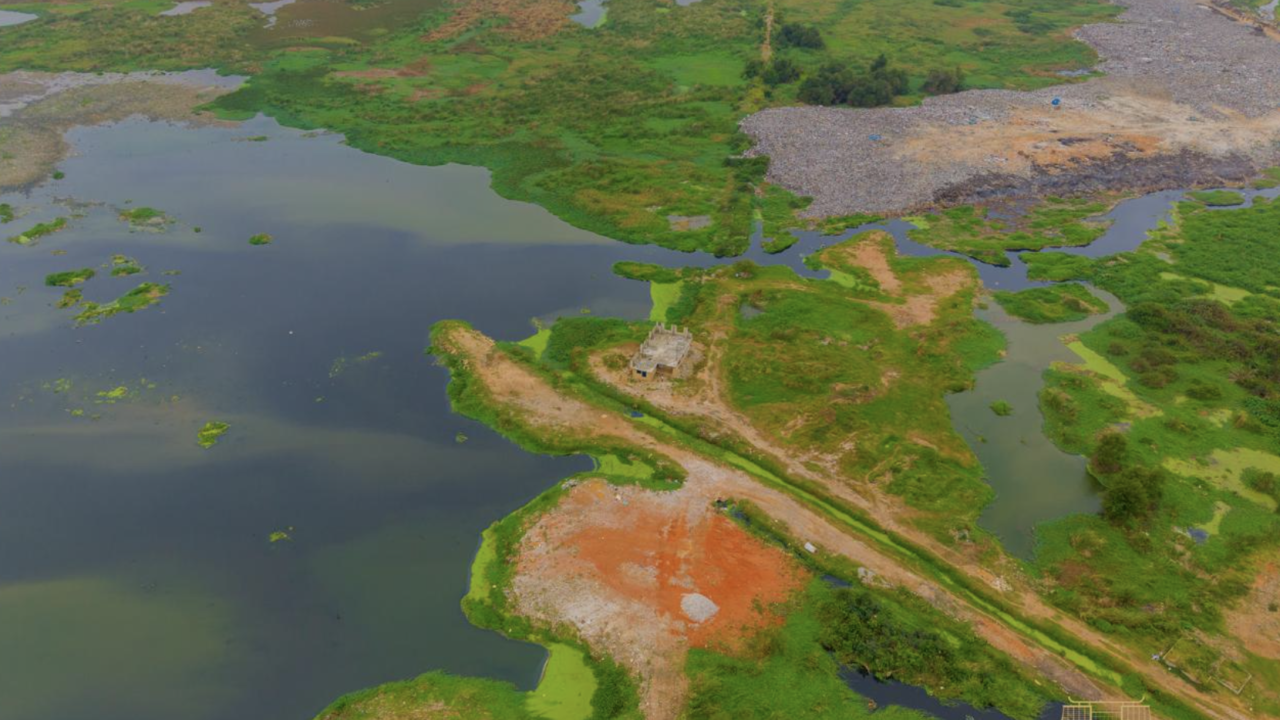
The Lafa Basin, which takes its source from the Mallam-Gbawe Zero and flows through several communities before discharging into the sea, has been severely silted due to years of illegal solid waste dumping and encroachment. The Head of Drainage at the Ghana Hydrological Authority, Mr. Richard Kofi Amekor, described the task of clearing the solid waste in the basin as very challenging.
The heavy silting of the basin has prevented rainwater from flowing into it, causing backwater to flood the affected communities, including Blue Lagoon and the Dansoman enclave. Mr. Amekor noted that the perennial flooding in the Mallam-Gbawe and Awoshie-Kasoa highway corridor and parts of Dansoman is a result of the heavy silting of the Lafa basin after years of deliberate dumping of solid waste and boulders.
The Cleanup Begins
The 48 Engineer Regiment of the Ghana Armed Forces has been tasked with reclaiming the Lafa water retention basin. Using heavy equipment, the teams are breaking up tonnes of compacted solid waste before dredging and scooping the debris for haulage to a designated landfill site in Nsawam. The operation also includes demolishing illegal structures and buildings erected within the water reserve and constructing protective embankments.
Brigadier General Richard Kinney, Commander of the 14 Engineer Brigade of the Ghana Armed Forces, said the immediate task was to loosen the waste material for easy haulage. "The main work is dredging. We are trying to loosen the waste material dumped here for years, capped with laterite, and compacted to secure part of the land for sale," he stated. The operation is expected to take months to complete.
Coordination and Cooperation
The Post-Flood Mitigation Task Force, headed by the Deputy Chief of Staff in charge of Operations at the Presidency, Mr. Stan Xoese Dogbe, is leading the operation. The task force is working with the Ghana Armed Forces and other stakeholders to restore the basin's drainage capacity and prevent future encroachment. Brigadier General Forster Okae-Yeboah, Director General of Joint Operations at the Ghana Armed Forces and Coordinator of the Flood Mitigation Works, said their operations continue unabated, with work still ongoing at Oyarifa, East Legon, and the Kpeshie Lagoon area.
The government has assured that money is available to undertake the assignment, but it cannot do it alone. Brigadier General Okae-Yeboah appealed to the public to cooperate with the task force and to welcome the private sector if they want to come on board. "Our objective is to mitigate the impact of floods in Accra, and I urge the public to cooperate with the task force," he said.
A New Beginning
The restoration of the Lafa Basin is a significant step towards mitigating the impact of floods in Accra. The operation is expected to restore the basin's drainage capacity and prevent future encroachment. The Head of Drainage at the Ghana Hydrological Authority, Mr. Richard Kofi Amekor, said that if the excavation is completed successfully, the natural state of the basin will be restored to accommodate a lot of inflow after downpours. The operation is a welcome development for the affected communities, who have suffered for years due to the devastating floods.
Source: Joy Online