Imani Slams Ghana's Over-Reliance on Natural Resources
Ghana's economy is heavily dependent on natural resources and raw-material exports, with some economists warning that this approach can hinder sustainable growth and development. The IMANI Centre for Policy and Education has urged the government to rethink its economic model and pursue a more diversified and productive path.
Experts Criticise Ghana's Over-Reliance on Natural Resources
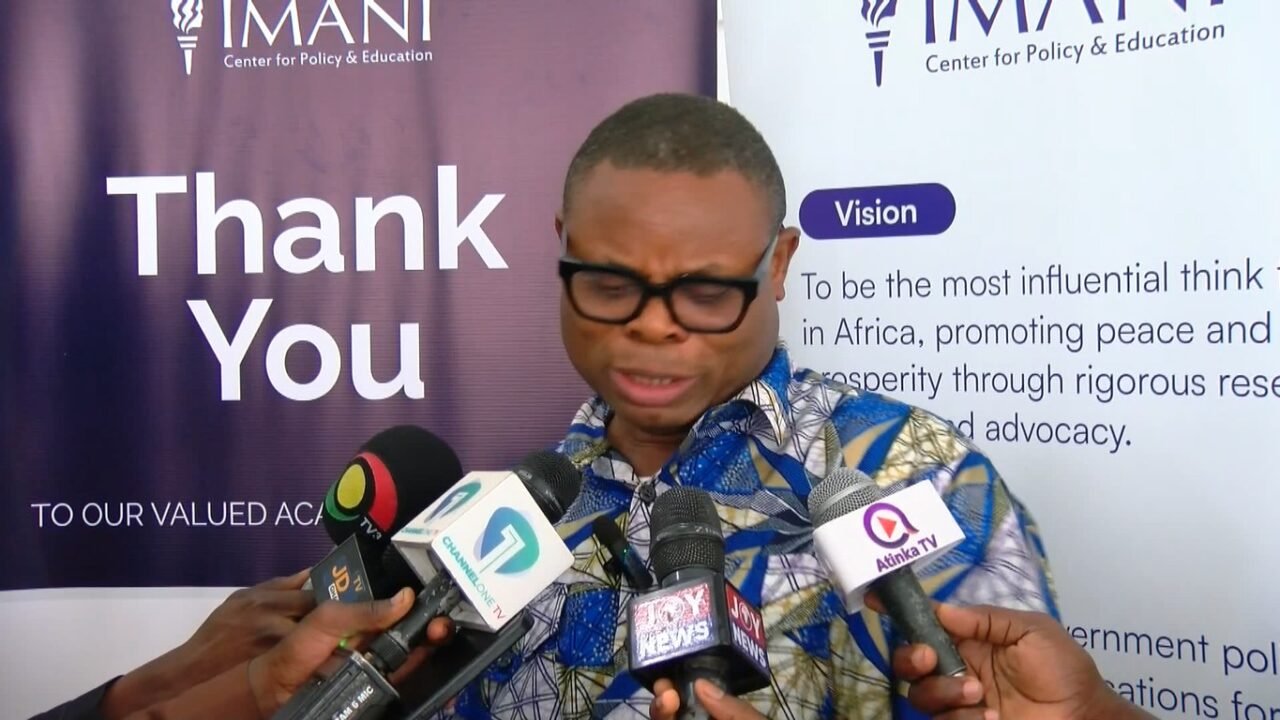
Economist Professor Godfred Bokpin said economies that rely extensively on natural resources struggle to achieve sustainable growth and development. "Any growth model that relies extensively on natural resources would never deliver sustainable growth and development," he said at the 2026 Students and Young Professionals African Leadership Academy, organised by IMANI. Professor Bokpin argued that there was no clear example of a country that had achieved sustainable development solely through a natural-resource-dependent growth model.
IMANI President Franklin Cudjoe on Policy Illogicality
IMANI President Franklin Cudjoe also criticised what he described as "policy illogicality" in Ghana. He argued that poor coordination between government policies undermines efforts to build a resilient economy. Mr Cudjoe cited public financial management reforms and fiscal responsibility measures as examples of policies which, in his view, have not always delivered their intended results because of inconsistencies in implementation. "You have a policy that doesn't seem to be synchronised with another one," he said.
Young Africans Present Policy Proposals
Participants at the leadership academy also presented policy proposals targeting some of Ghana's economic challenges, including unemployment, entrepreneurship, and the quality of policymaking. One participant proposed targeted tax incentives for start-ups to give young businesses time to accumulate capital and expand. Another participant called for increased investment in evidence-based policymaking, arguing that government decisions should be grounded in research, statistical analysis, and reliable data.
A Need for Stronger Homegrown Policy Thinking
IMANI President Franklin Cudjoe stressed the need for stronger homegrown policy thinking and greater coordination across government interventions. "The thinking around the policy itself must be done right," he added. IMANI maintained that sustainable development requires African economies to move beyond extracting and exporting raw materials towards building productive industries, strengthening institutions, and creating an environment where businesses and innovative ideas can grow.
A Call to Action for Ghana's Economic Future
Ghana's over-reliance on natural resources and raw-material exports has significant implications for its economic future. With the country's population growing and the need for sustainable development becoming increasingly pressing, it is essential that policymakers take a more diversified and productive approach to economic growth. By prioritising innovation, sound policies, and the ability to transform ideas into sustainable economic opportunities, Ghana can build a more resilient and prosperous economy for future generations.
Source: Joy Online