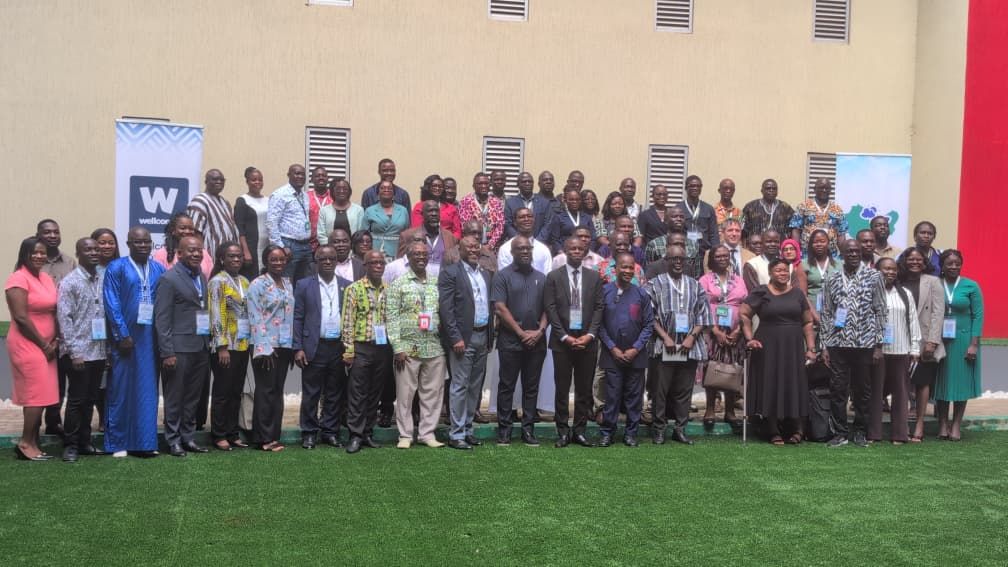
A consortium of African universities has launched a major initiative to tackle the escalating climate crisis in West Africa. Led by Ghana's Kwame Nkrumah University of Science and Technology, the Western Africa consortium will focus on environmental hazards like intense dust storms, prolonged droughts, and heatwaves.
Climate Change Threatens Public Health and Livelihoods in West Africa
Climate change is creating favourable breeding conditions for diseases to thrive in West Africa, said Professor Philip Antwi-Agyei, Consortium Director. "Changing rainfall patterns and changing temperature patterns create favourable breeding conditions for some of these diseases to thrive," he stressed. Intensifying climate risks are straining fragile public health systems and disrupting livelihoods across the region.
Bringing Together Experts to Tackle Climate and Health Risks
The Western Africa consortium will establish a regional approach that brings together physical and social sciences, policy, and practice to ensure that evidence is readily translated into tangible solutions. This will involve researchers, institutions, and experts from Ghana, Senegal, and across West Africa generating evidence to address climate and health risks. The initiative aims to address the risks associated with heatwaves, dust storms, and droughts on food systems and other health determinants in Ghana and Senegal.
WASCAL's Contribution to Climate Change Research in West Africa
The West African Science Service Centre on Climate Change and Adapted Land Use (WASCAL) is a research-focused Climate Service Centre designed to help tackle the climate change challenge. WASCAL is a large-scale initiative that pools the expertise of ten West African countries and Germany to strengthen the research infrastructure and capacity in West Africa related to climate change.
The Road Ahead: Addressing Climate Change in West Africa
The Western Africa consortium's launch marks a significant step towards addressing the escalating climate crisis in the region. With the increasing impacts of climate change and socio-economic developments like population growth and urbanization, West African nations face pressing climate-related challenges. The consortium's regional approach and evidence-based solutions will be crucial in tackling these challenges and enhancing the resilience of human and environmental systems to climate change.
Source: 3News