Energy Minister: Africa's Growth Requires More Than Just Expanded Power Supplies
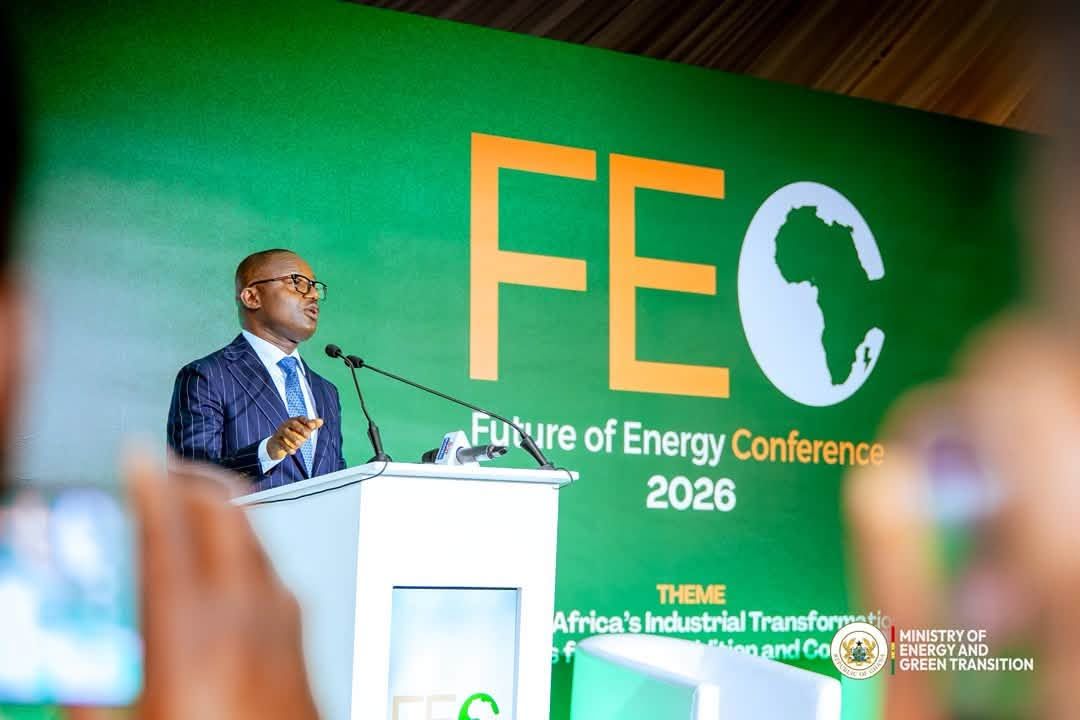
Dr Jinapor, Ghana's Minister of Energy, has made a bold statement about Africa's economic growth. He said that expanding power supplies is not enough to drive growth, citing the need for a more comprehensive approach.
Africa's Economic Growth Outpaces Power Demand
Economic growth is the most important driver of electricity demand, according to a 2010 report by Foster and Briceño-Garmendia. Sub-Saharan Africa's GDP grew 4.9 percent per year from 2001 through 2008, more than twice its pace during the 1980s and 1990s. This growth was still positive during the global financial crisis, reaching 2 percent in 2009, and has accelerated ever since, reaching 5.9 percent in 2011.
A More Comprehensive Approach to Energy
Dr Jinapor's statement echoes the sentiments of energy experts across the continent. In South Africa, Minister of Electricity and Energy Kgosientsho Ramokgopa has emphasized the need for affordability, sustainability, and international investment in the country's energy transition. The government's Integrated Resource Plan targets 102 gigawatts of new capacity over 15 years, and Eskom's operational gains alongside renewable energy expansion are seen as crucial to the country's energy future.
Challenges to Achieving Universal Energy Access
Achieving universal energy access in Africa is a complex challenge. The International Energy Agency has noted that expanding and modernizing Africa's electricity infrastructure requires a radical improvement in the financial health of public utilities. This includes addressing financial mismanagement and corruption, as well as reforming cost-of-electricity pricing to address the insolvency that continues to undermine gains in access and efficiency.
Uganda's Energy Compact
Uganda has made significant strides in its energy sector, announcing its Energy Compact in June at the Africa Energy Forum in Cape Town. The Minister of Energy and Mineral Development, Monica Musenero, has shared the country's commitment to expanding affordable energy, integrating regional power systems, scaling up renewables and clean cooking, and strengthening utilities with private sector support.
A Future for Posterity
In South Africa, Minister of Electricity and Energy Kgosientsho Ramokgopa has emphasized that the country's energy plan is not just about expanding power supplies, but about building a future for posterity. "This is a program that can resuscitate industries that have collapsed, create new skills, and industrialize our economy," he said in a recent briefing. "It's not just about the lights being on; it's about building a future for our children and grandchildren."
What Happens Next
The energy landscape in Africa is complex and multifaceted. As the continent continues to grow and develop, it will be essential to address the challenges and opportunities in the energy sector. Dr Jinapor's statement highlights the need for a more comprehensive approach to energy, one that goes beyond just expanding power supplies. The future of energy in Africa will be shaped by the decisions made today, and it will be crucial to prioritize affordability, sustainability, and international investment in the energy transition.
Source: 3News