The Chief of Staff at the Office of the President, Dr Julius Debrah, has stated that the government alone cannot solve the social and economic problems facing Ghanaian communities.
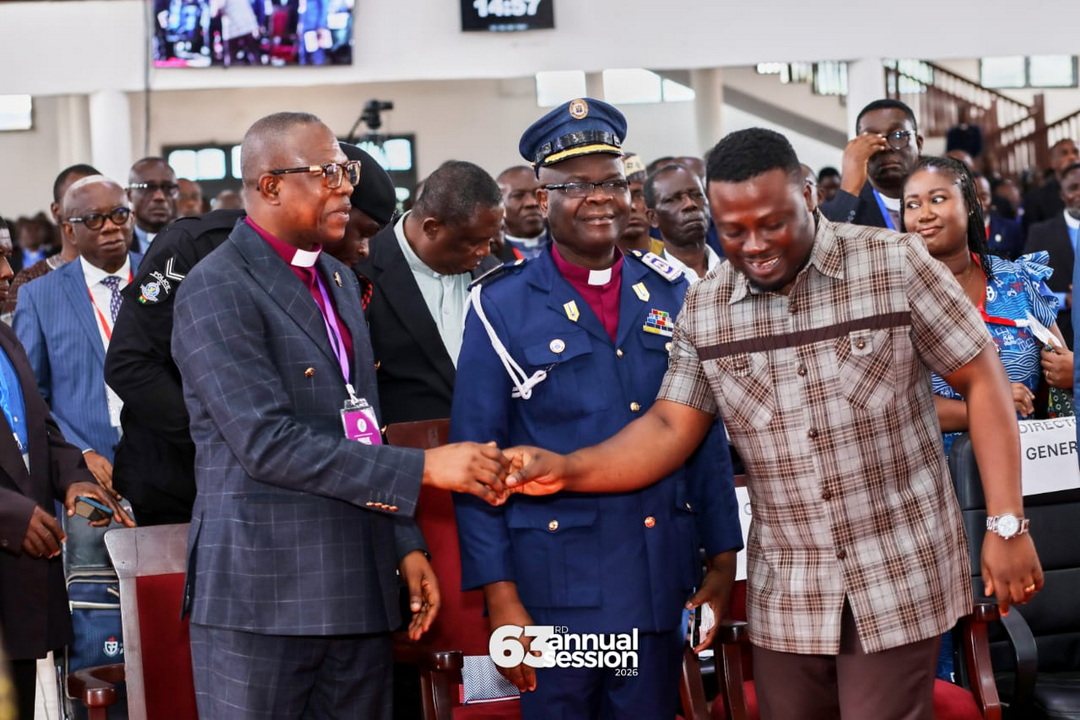
Speaking at the opening of the 63rd annual session of the Ghana Baptist Convention in Ejura, he called for a stronger working relationship between state institutions and the church.
His remarks were delivered in a speech read on his behalf by the Ashanti Regional Minister, Dr Frank Amoakohene, at the five-day gathering in the Ejura Sekyedumase Municipality.
Social challenges and local reach
Dr Debrah stated that communities across Ghana continue to deal with poverty, teenage pregnancy, substance abuse, indiscipline, crime, and the weakening of family values.
He said addressing these problems requires a coordinated national effort that includes religious bodies.
"Our communities definitely continue to face the challenges of poverty, teenage pregnancy, substance abuse, indiscipline, crime and weakening of our revered family values," Dr Debrah said in the speech.
He added that the church must be an important part of the response toward national progress.
The government plans to deepen its work with the church to reach every community in the country regardless of its geographical location.
Dr Debrah noted that the Ghana Baptist Convention operates branches in remote locations that local government authorities may not always reach.
These local churches interact with residents during moments of celebration and hardship, giving them direct access to community needs.
Historical contributions to national development
The speech stated that the history of Ghana's development remains tied to the work of Christian organizations, particularly in remote areas.
Churches across the country have built schools, hospitals, and skills training centres over many years.
They have also launched social programs that support local growth and help train generations of citizens.
Dr Debrah commended the leadership and members of the Ghana Baptist Convention for their work in national development.
He encouraged the convention to expand its operations into more areas of public need.
Ghana holds significant potential, but potential alone cannot transform towns and villages without leadership, investments, and institutional partnerships.
He urged the convention to deepen its work beyond the national level in specific sectors, including healthcare, education, sanitation, and social welfare.
Support from the Christian Council
The Executive Secretary of the Christian Council of Ghana, Rev. Dr Cyril G. K. Fayose, also addressed the convention in Ejura.
Rev. Dr Fayose commended the Ghana Baptist Convention for its work in expanding Christianity and building communities across the nation.
He said the convention's work in evangelism, discipleship, education, health, social ministry, and community development strengthens both the church and the country.
The five-day event was held under the theme: "Revived to Reach Out: Proclaiming Christ in Every Community," drawn from Romans 10:14-15.
Rev. Dr Fayose noted that many communities in Ghana are currently looking for hope, meaning, peace, and direction.
He said the church holds a responsibility to preach its message with compassion and consistency during difficult times.
Convention agenda and administrative reforms
The Executive President of the Ghana Baptist Convention, Rev. Enoch Nii Narh Thompson, delivered the welcome address at the annual session.
Rev. Thompson outlined several key items on the agenda for the delegates gathered in the Ashanti Region.
The convention will examine its strategic plan for the next four years to guide its operations and programs across Ghana.
Delegates will also review a succession management programme at the convention level.
Another major proposal before the session is the plan to centralise the salaries of Baptist ministers across the country.
Rev. Thompson thanked the ministers and church members for their dedication to the growth of the organization.
He also acknowledged the work of state leaders, stating: "We are grateful for the nation’s leadership and their efforts towards our forward march."
According to Joy Online.