The Fair Wages and Salaries Commission (FWSC) is preparing to become the Independent Public Emoluments Commission (IPEC) in a move that aims to overhaul how public sector workers, including those in State-Owned Enterprises (SOEs), are paid.
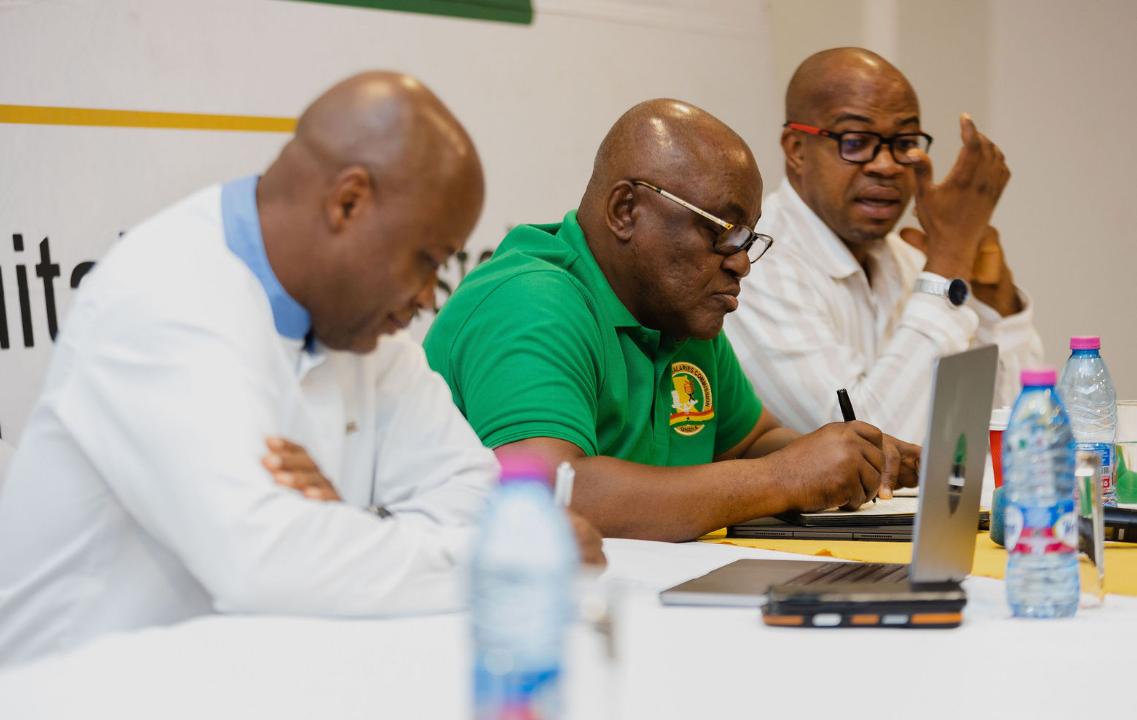
Dr George Smith-Graham, the Chief Executive of FWSC, spoke at a stakeholder meeting in Accra on Monday, urging SOE leaders to back the government’s plan for a fair and sustainable pay system. The meeting gathered Chief Executives, Deputy Chief Executives, Human Resource and Finance Directors from SOEs, along with development partners and media representatives.
“The transition from FWSC to IPEC is not just a change of name, but a fundamental reform of Ghana’s public sector remuneration architecture,” Dr Smith-Graham said. He described the current pay system as “fragmented, inequitable and fiscally unsustainable,” and presented the new Commission as a solution.
The reform is a presidential priority announced by President John Dramani Mahama. It aims to replace the current fragmented system with a unified, transparent, and productivity-focused National Public Sector Emoluments Management System.
Dr Smith-Graham said IPEC will introduce fair pay, ensuring equal pay for work of equal value across the public sector. It will harmonise compensation for all public service workers, including those in SOEs, and link pay to productivity and performance.
SOEs have long faced issues with pay disparities, overlapping negotiations, and financial pressures. Dr Smith-Graham acknowledged these challenges and said the sector must be fully involved in shaping the new system. He urged the CEOs and directors present to share honest feedback to help build a pay system that lasts.
The stakeholder engagement is part of a nationwide consultation process ahead of the IPEC Bill being presented to Parliament in October 2026.
The shift to IPEC signals a break from years of a fragmented approach to public salaries in Ghana. It aims to bring coherence and fairness to a system that has often been criticised for large gaps and inefficiencies.
The new Commission’s focus on linking pay to productivity is notable. It suggests a move away from fixed or negotiated salaries toward a system that rewards performance. How this will work in practice, especially within SOEs, remains to be seen.
Ghana’s SOEs play a significant role in the economy, but their pay structures have sometimes added to fiscal strain. The government appears to want a clearer, more sustainable approach to managing these costs.
Dr Smith-Graham’s call to SOE leaders underlines the importance of their buy-in for the reform to succeed. The upcoming parliamentary debate on the IPEC Bill will be a critical step in formalising the changes.
This reform could change how thousands of public workers are paid, affecting their livelihoods and the government’s budget. The process will be closely watched as Ghana tries to build a fairer and more stable pay system for its public sector.
According to Joy Online.