Police arrested 164 people on Monday as student protests spread to 180 schools across France, prompting a sharp warning from Prime Minister Sébastien Lecornu. The demonstrations began in the Île-de-France region around Paris and quickly expanded to cities including Marseille, Lille, and Sedan. They are driven by complaints about overcrowded classrooms, teacher shortages, and deteriorating school conditions.
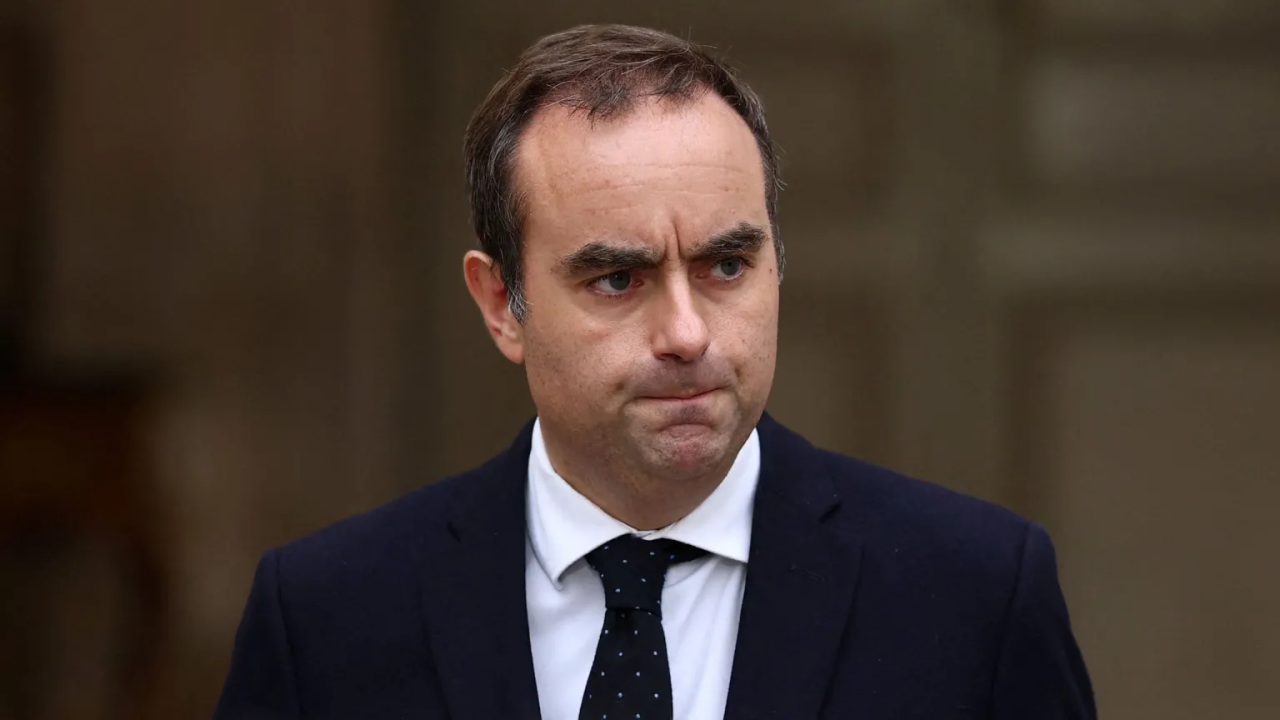
Lecornu condemned the violence linked to the protests in a post on X, citing reports of fireworks, fires, and clashes near high schools. “Nothing justifies endangering students, staff, or police officers,” he wrote. The prime minister called any escalation “irresponsible” and said those responsible for violence must be held accountable.
Interior Minister Laurent Nuñez reported that on Monday alone, 12 police officers, 12 students, and three school staff members were injured during the unrest. He described the protests as unusual, saying they resembled “urban violence” rather than typical demonstrations. Nuñez said some participants were masked and armed with fireworks and projectiles, clearly seeking confrontation with security forces.
The protests started as students blockaded schools to demand better resources and working conditions, but incidents of vandalism and violence have since occurred. One high school student was reportedly injured by a police grenade launcher round, according to France’s BFMTV, which said investigations into the incident are ongoing.
The Union Syndicale Lycéenne, a union representing high school students, defended the protests as a “legitimate response” to years of neglect in the education system. It cited a lack of teachers, dilapidated facilities, overcrowded classes, and stress caused by the Parcoursup platform used for university applications. The union blamed these problems on “10 years of Macron’s policies and the lack of resources in the national education system.” It called on students to continue blockading schools in defence of their rights and against budget cuts.
Lecornu acknowledged the difficulties facing high schools and said these issues must be addressed. But he insisted that violence cannot be tolerated. “The difficulties of high schools must be heard and addressed,” he said, “but violence must be condemned unequivocally, and its perpetrators must answer for their actions.”
The far-left France Unbowed party (LFI) has accused Lecornu’s government of ordering a crackdown on the protests. LFI leader Jean-Luc Mélenchon called the students “harmless” and blamed the government for the confrontations.
Despite the political tensions, schools across southern France reported blockades, including in the Alpes-Maritimes and Var regions. Other protests took place in Marseille and the northern city of Lille.
On the same day as the student protests, unions representing teachers, hospital workers, and civil servants held walkouts to protest low wages and poor working conditions.
The police response and reports of violence mark a new phase in the unrest. Nuñez said the protests were not about making demands but about “violence in its purest form.”
The situation remains tense as students continue to disrupt schools and authorities try to contain the unrest without further injury or damage.
According to Joy Online.