The World Health Organisation (WHO) has promised to increase support for healthcare delivery in Ghana’s Upper East Region, focusing on vulnerable groups and the health challenges linked to its borders with Burkina Faso and Togo.
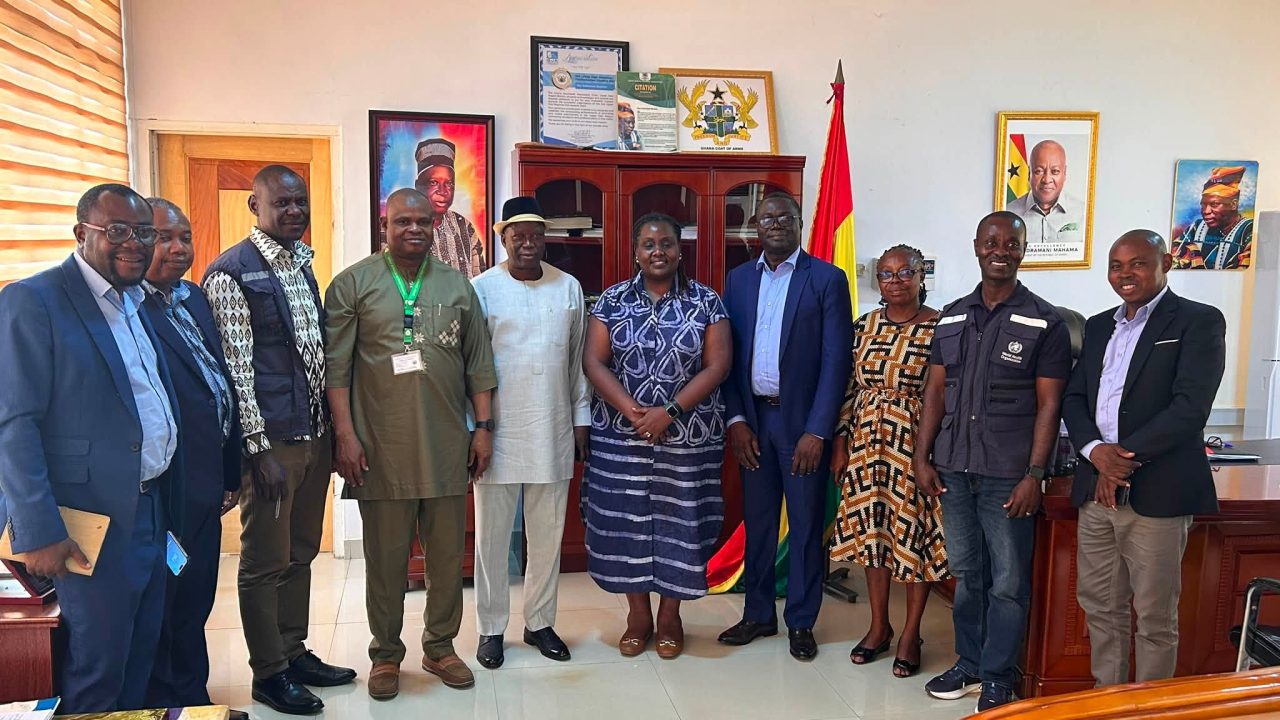
Dr Fiona Braka, WHO Representative to Ghana, made the announcement during a visit to the Upper East Regional Minister, Akamugri Donatus Atanga. The visit was meant to help WHO understand the region’s healthcare system, its needs, and the specific difficulties it faces.
Dr Braka pointed out that the region’s location along international borders brought special challenges. These included disease surveillance, cross-border health cooperation, and ensuring people can get healthcare. She said WHO would continue to back Ghana’s health priorities such as the Free Primary Health Care initiative and universal health coverage. The organisation also wants to reduce financial barriers that stop people from seeking care.
“Our role as World Health Organisation is to support the member states in implementing their national priorities,” Dr Braka said.
She added that WHO pays special attention to groups who find it hard to access healthcare. These include women, children, and others in vulnerable positions.
Dr Braka also called on the Regional Coordinating Council and local authorities to support healthcare improvements by advocating for investment in health workers, infrastructure, and community engagement.
Minister Atanga welcomed the WHO team and asked for the Upper East Region to get special attention because of its vulnerability and border location. He said the region suffers from limited jobs, which increases its residents’ vulnerability. He also said being close to Burkina Faso and Togo puts extra pressure on health facilities.
People coming into the region from neighbouring countries, including those fleeing tough situations, rely on local health services, Mr Atanga said. This adds to the strain on limited resources.
He urged WHO to consider these realities when planning healthcare programmes for the area.
The Regional Minister also mentioned shortages of health personnel. He called for more tertiary institutions to be set up in the region to train and keep healthcare workers. Improving access to education and increasing the number of health workers could ease some of the problems in healthcare delivery.
Mr Atanga told the WHO delegation the Regional Coordinating Council would keep working with health authorities and development partners to improve healthcare access. He stressed the need to make sure vulnerable populations get essential services.
The WHO visit was part of efforts to strengthen ties with regional authorities and support Ghana’s national health goals.
Alongside Dr Braka, the delegation included the Upper East Regional Director of Health Services, Dr Braimah Baba Abubakari; Deputy Director in charge of Clinical Care, Dr Samuel Aborah; Deputy Director of Public Health, Dr Zakariah Adams; and Deputy Director of Finance, Mr Yakubu Issahaku.
The Upper East Region faces ongoing challenges from its border location and limited resources. WHO’s renewed focus on the area shows recognition of these pressures, but the success of future health interventions will depend on how well local realities are factored into planning and support.
According to Joy Online.