On a Sunday afternoon at Labadi Beach, you can hear three sound systems, a drum group and a man selling coconuts, all at once.
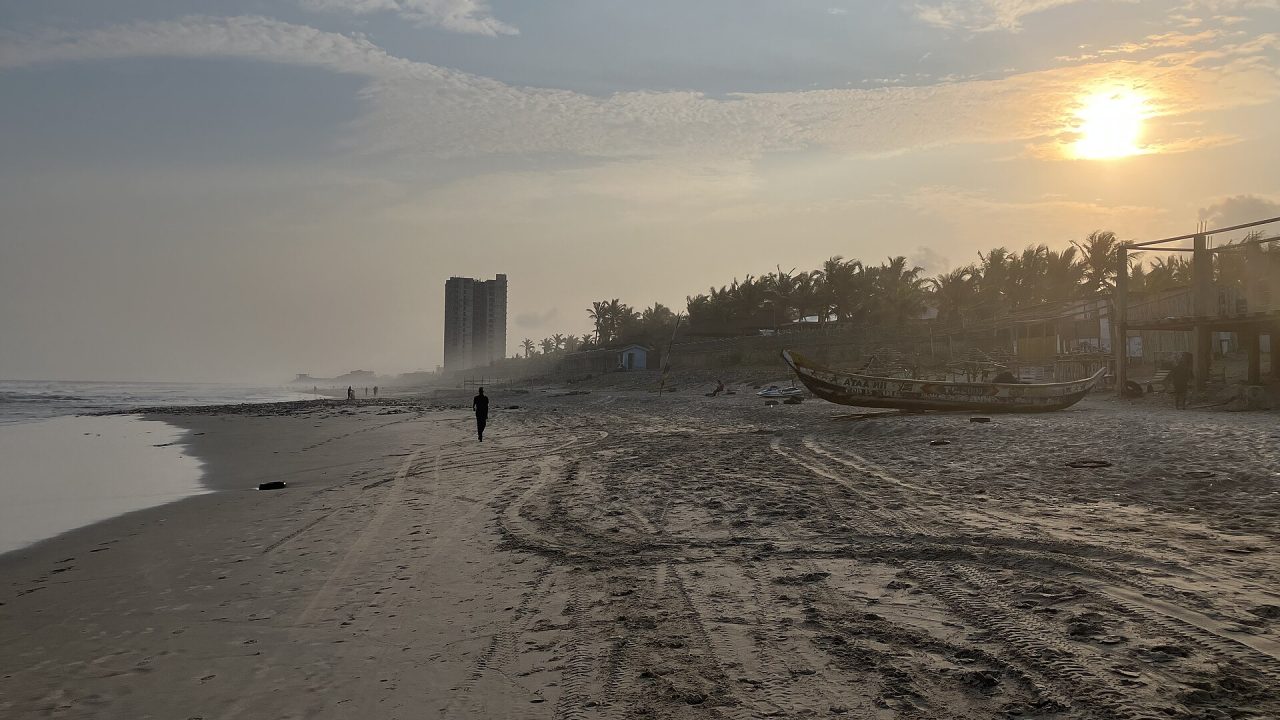
Labadi, officially La Pleasure Beach, is the best-known beach in Accra. It lies in La, one of the original Ga towns of the city, east of Osu. On weekends and public holidays it fills with families, friends, tourists and couples, and it has become one of the places visitors are told they must see.
How it works
Access to the main beach area is through gates where an entry fee is charged, with higher fees on busy days. Inside, the beach is lined with bars and restaurants that rent out chairs and tables under umbrellas. Many charge for seating or expect you to buy food and drinks.
Food is part of the experience: grilled fish, kebabs, fried yam, kelewele and cold drinks. Men walk horses along the sand and offer rides for a fee. Acrobats, dancers and drummers perform, and live bands play at some of the beach bars, especially on weekends.
The current
The sea at Labadi and along much of the Accra coast has strong waves and rip currents. Drownings happen, particularly on crowded holidays such as Christmas, Easter and Independence Day. Swim only where lifeguards are present, stay close to shore, avoid swimming after drinking, and keep children in sight at all times.
Keep your things close
Like any crowded public place, Labadi has pickpockets. Carry only what you need, keep phones secure, and agree on prices for food, rides and seats before you pay.
The cleanliness question
Accra’s beaches struggle with plastic and waste washing in from the sea and from drains. The situation varies by season and by section of the beach, and business owners in managed areas often clean their stretches. Clean-up campaigns by volunteers and companies take place regularly, but the waste returns with every heavy rain.
Beyond Labadi
Accra has other beaches: Kokrobite, west of the city, is known for a more relaxed, music-driven scene; Bojo Beach offers a quieter island setting across a lagoon; and beaches further along the coast in both directions offer calmer alternatives for those willing to drive.
Why La matters
La, where the beach sits, is one of the original Ga towns that make up Accra, alongside Ga Mashie, Osu, Teshie and Nungua. Its people celebrate their own version of the Homowo festival, and the La traditional council has authority over land in the area, including the beach. Visitors who arrive for the sand and music are guests in a community with a long history, and the beach fees and businesses are part of the local economy.
Labadi’s appeal is the crowd. Go in the late afternoon, when the heat eases and the drummers start, and leave before dark.