

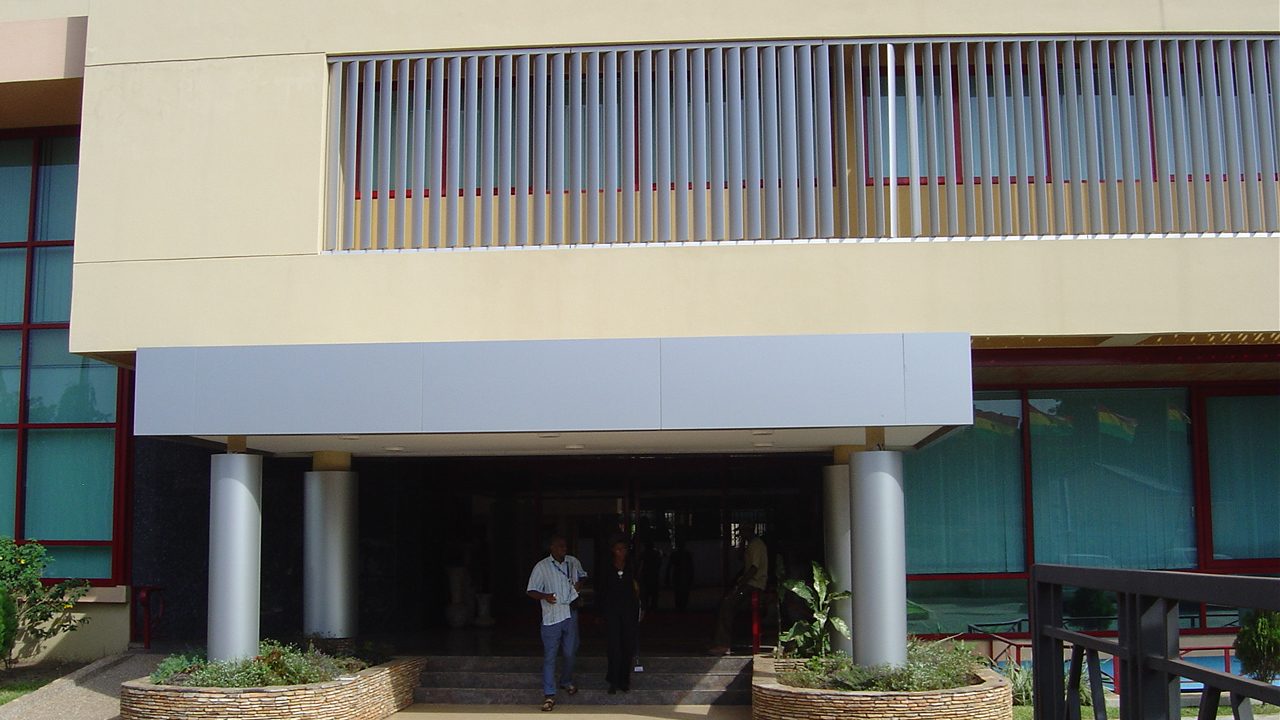
Ghanaian soldiers have served in United Nations missions from Lebanon to Liberia for decades. In Accra, a centre named after Ghana’s most famous diplomat prepares peacekeepers from across Africa and beyond for some of the world’s hardest jobs.
The name
The centre is named after Kofi Annan, the Ghanaian diplomat who served as Secretary-General of the United Nations and won the Nobel Peace Prize.
Established in 1998
The Kofi Annan International Peacekeeping Training Centre, known as KAIPTC, was established in 1998. It began its first full annual training and education cycle in March 2004.
Location
The centre is in Accra, near the Teshie area and the military establishments of the eastern part of the city.
What it does
KAIPTC provides training, education and research in peacekeeping and peace operations. Its courses prepare participants for deployment to conflict areas.
Who trains there
Participants include military officers, police officers and civilians working in areas such as elections, human rights, gender and conflict resolution. Many come from other African countries.
An ECOWAS centre
The centre is one of three peacekeeping training centres of excellence mandated by the Economic Community of West African States, ECOWAS, to offer training for peace support operations in Africa.
Courses
Since 2004, KAIPTC has expanded its curriculum to more than twenty different courses, from operational planning to protection of civilians.
Research
The centre also conducts research on peace and security in Africa, publishing studies and hosting conferences that inform policy.
Ghana’s peacekeeping record
Ghana has long been one of the leading contributors of troops to UN peacekeeping. The training centre builds on that experience and shares it with other countries.
Women in peacekeeping
KAIPTC has run programmes to increase the role of women in peace operations, recognising that mixed teams can reach communities more effectively.
Working with partners
KAIPTC works with the African Union, the United Nations and international partners, and courses often bring together participants from many countries in the same classroom. That mix helps future peacekeepers understand the perspectives of the people they will serve alongside.
Beyond soldiers
Modern peace operations need election experts, police trainers, mediators and humanitarian workers as well as troops. The centre’s courses reflect that shift, preparing civilians for roles that are just as important as military ones.
Peace as a profession
War is often studied in military academies. KAIPTC studies how to end it and keep it from returning. It is fitting that the centre carries the name of a Ghanaian who spent his career on the same question.
.jpg)