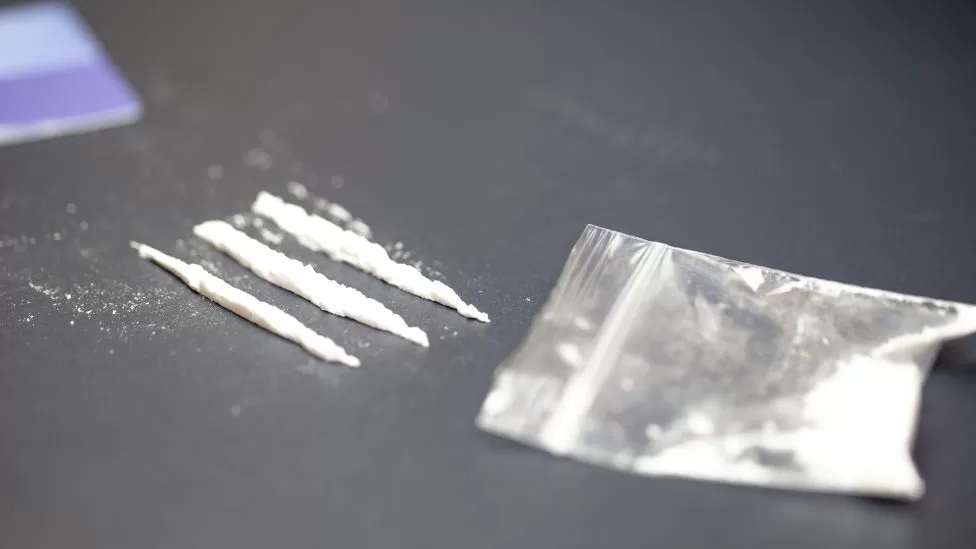
Ghana’s ports and airports have become major transit points for heroin and cocaine from Afghanistan and Brazil, respectively, according to the Global Organised Crime Index. The report reveals that international drug trafficking networks use Ghana’s transport hubs to move large shipments, while also supplying a local market.
Seizures of heroin entering and leaving Ghana show that much of the heroin is imported by East African nationals. The report states, “some is consumed domestically, before the majority is repackaged and exported to the US by Ghanaian nationals.” This indicates that Ghana is not merely a transit country but also a consumer market for heroin. The drug’s use, historically centered in Accra and Tema, appears to have spread to rural areas, including the northern regions.
The report points to involvement by corrupt officials who facilitate heroin trafficking through seaports and airports. It states, “corrupt officials are involved in facilitating the movement of heroin through Ghanaian seaports and airports.” This suggests that some government or security personnel may be aiding traffickers, enabling the flow of heroin through official channels.
Ghanaian and Nigerian organised crime groups are named as influential actors in the expansion of heroin trade across West Africa. The networks appear to operate with considerable reach, moving heroin through Ghana en route to markets in the US and other countries.
On cocaine, the report describes Ghanaian organised crime groups as significant players in international trafficking networks. Brazil is identified as the primary source of cocaine arriving by sea. Cocaine shipments are often hidden in sugar containers and transported through trans-shipment points such as Spain or Turkey before reaching Ghana’s ports at Tema and, to a lesser extent, Takoradi.
The report cites law enforcement officials and civil society figures who allege that some government officials offer political protection to illicit drug markets. This may explain why cocaine seizures have declined and trafficking activity is less visible. These claims suggest a level of complicity that undermines efforts to disrupt drug flows.
The use of Ghana’s ports and airports for drug trafficking reflects broader patterns of organised crime in West Africa. The region’s geographic position and transport infrastructure make it vulnerable to exploitation by criminal networks, which can move drugs from South America and Asia to global markets.
The expansion of heroin consumption beyond urban centers like Accra and Tema into rural northern Ghana raises concerns about the social and health impact of the drug trade. It also indicates that traffickers are diversifying markets within the country, not just moving drugs onward.
Efforts to combat drug trafficking in Ghana face challenges from corruption and political interference, according to the report. The involvement of corrupt officials in facilitating heroin shipments through official channels complicates law enforcement efforts. Meanwhile, the alleged political protection of cocaine traffickers may reduce pressure on these networks.
While Ghana’s ports continue to be exploited by traffickers, the exact scale of drug flows and the identities of those involved remain difficult to confirm independently. The Global Organised Crime Index provides a detailed overview but relies on seizures and allegations from officials and civil society.
The findings highlight how Ghana has become a major node in global drug trafficking routes, moving heroin from Afghanistan and cocaine from Brazil through its transport infrastructure. This situation poses serious challenges for law enforcement, governance, and public health in the country.
According to Joy Online.