The Ghana Cocoa Board (COCOBOD) raised the producer price for cocoa to GH₵42,400 per tonne for the 2026/27 season, but the move has sparked a fresh debate over the government’s credibility. The price increase, announced on September 25, 2026, means farmers will earn GH₵2,650 for a 64-kilogramme bag. That is GH₵63 more than last season’s GH₵2,587, but still far below the GH₵6,000 per bag promised during the last campaign.
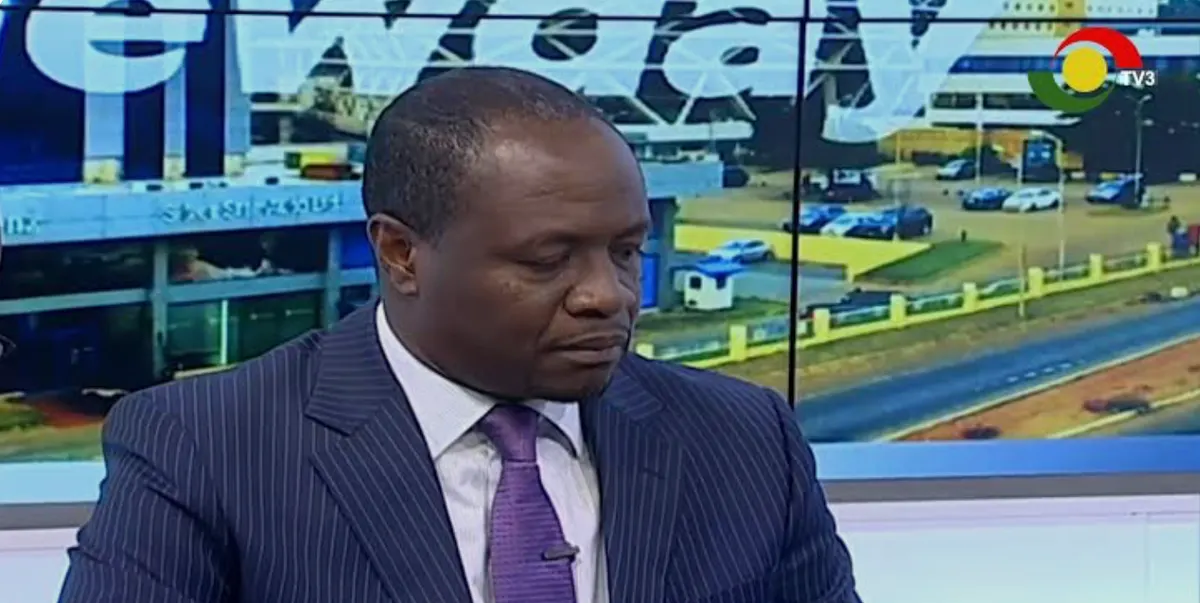
Fiifi Boafo, former Head of Corporate Affairs at COCOBOD, pointed to the gap between the promise and the reality as a serious problem for the current administration. Speaking on the BigIssue segment of TV3’s NewDay morning show on September 29, he said the government now faces a credibility challenge.
“Before coming into office, these were the people everywhere, accusing Nana Akufo-Addo, Dr. Bawumia, and the NPP administration that they are thieves, they are wicked, they are heartless,” Boafo said. “They could pay the cocoa farmer GH₵6,000; in fact, even Ato Forson said GH₵7,000.”
Boafo’s comments reflect a wider criticism from the opposition New Patriotic Party (NPP), which has called the new price “inadequate.” The NPP says the increase falls short of what was promised to cocoa farmers during the campaign and challenges the government’s commitment to supporting the cocoa sector.
COCOBOD Chief Executive Dr. Ransford Annetey Abbey announced the price increase as part of the reopening of the cocoa season. He confirmed the new price represents 71.18 percent of the realised gross Free-on-Board (FOB) value, which aims to balance farmers’ earnings with international market realities.
Despite the increase, many farmers and stakeholders feel the increment does not reflect the rising cost of production or the sector’s potential. Cocoa farming remains one of Ghana’s most important economic activities, supporting millions of livelihoods and providing significant export revenue.
The public debate around the pricing has exposed political fault lines, with the government defending the price as fair and sustainable while the opposition accuses it of breaking promises to farmers. The campaign pledges of GH₵6,000 or more per bag raised expectations that have not been met.
Boafo’s words highlight the political cost of this gap. He recalled that some government communicators even mentioned higher figures than those promised during the campaign. The failure to deliver those numbers now risks undermining trust among cocoa farmers and the wider public.
The government’s challenge is clear: it must manage the delicate balance between ensuring farmers receive fair pay and maintaining Ghana’s competitive position in the global cocoa market. How it addresses this issue could influence voter sentiment and confidence in the administration.
For now, cocoa farmers will start the season with a modest price increase that falls short of campaign claims. The debate over whether this move rebuilds or further erodes government credibility is just beginning.
According to 3News.