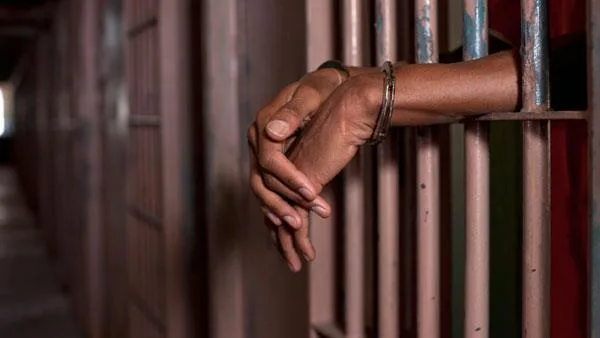

Joseph Quaye, 26, was sentenced to four years’ hard labour by the Tarkwa Circuit Court after pleading guilty to threatening his mother with a knife and a pair of scissors. The presiding judge, Bernice Mensima Ackon, convicted Quaye on his own plea.
The prosecution, led by Assistant Superintendent of Police Veronica Tibson, described a series of confrontations between Quaye and his mother, Afua Adenzie, a trader living in Ningo near Benso in the Western Region. ASP Tibson told the court that Quaye had ongoing disputes with his mother and frequently threatened to assault her.
On the evening of June 12, 2026, around 7:00 pm, Quaye entered his mother’s home. Afua Adenzie noticed an offensive odour and advised him to bathe. The comment provoked Quaye, who insulted her with words including “prostitute” and “smelling mouth,” before producing scissors from his pocket and threatening to stab her. Adenzie pleaded for her life.
The following night, at approximately 2:00 am on June 13, Quaye returned while his mother and siblings were asleep. This time he threatened Adenzie with a knife. Quaye reportedly told his mother that if he had a gun, he would shoot her in the ribs, an incident witnessed by the family’s eldest brother.
Quaye was apprehended at the Benso police station in connection with a stolen gun investigation. Upon learning of his arrest, Adenzie lodged a formal complaint against her son.
The court sentenced Quaye to imprisonment with hard labour for four years. The judge’s decision followed Quaye’s admission of guilt to the charge of threat of death.
The case unfolded in a region where family disputes often escalate into criminal matters, and law enforcement faces challenges managing domestic conflicts involving weapons. Quaye’s sentencing adds to a growing number of convictions related to violent threats in the Western Region.
This incident drew attention to the consequences of escalating family disputes, particularly when weapons are involved. The court’s ruling reflects the legal system’s stance on threats of violence within domestic settings.
Quaye’s case remains part of a wider pattern of criminal behaviour linked to personal and family disputes in Ghana, where courts continue to enforce strict penalties for acts of intimidation and threats involving potential lethal weapons.
According to Joy Online.