The US military will carry out its first execution by firing squad since World War Two on 3 December, with the killing to be livestreamed for the public to watch. The condemned is Nidal Hasan, a former US Army major who fatally shot 13 unarmed soldiers at Fort Hood, Texas, in 2009.
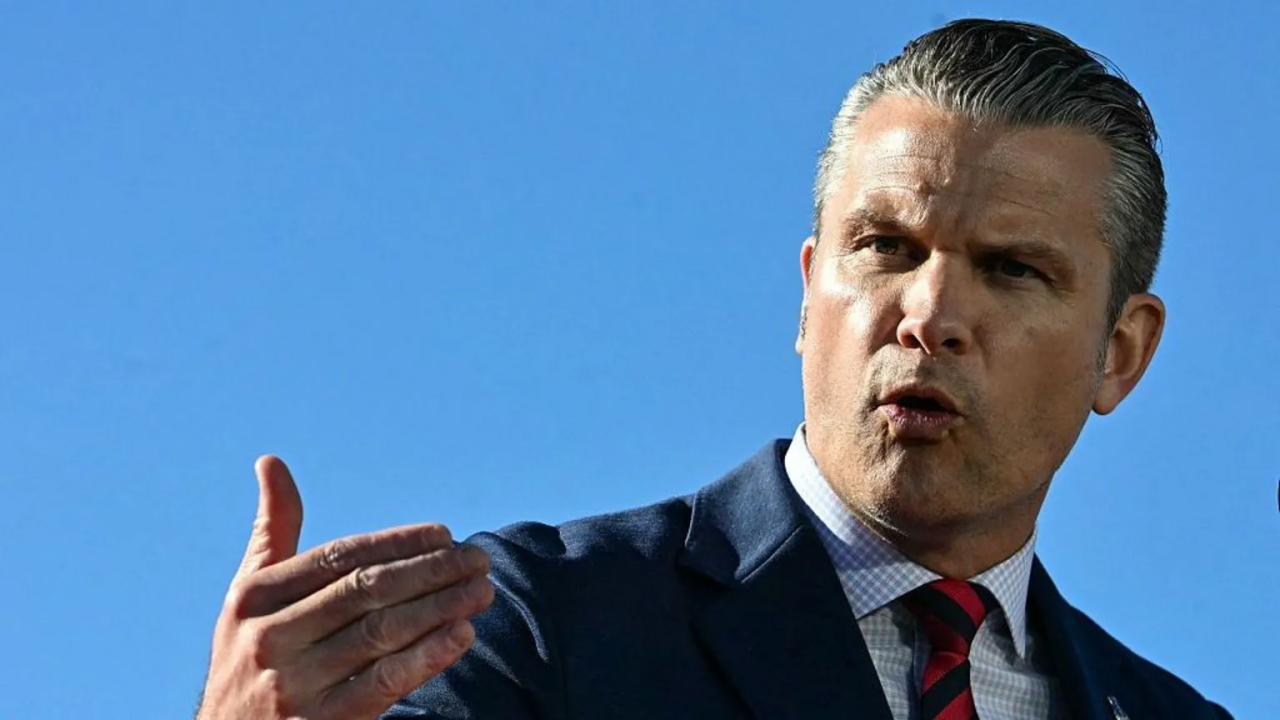
US Defence Secretary Pete Hegseth confirmed the execution would be public, saying on Thursday, “We’ll make sure that people are able to watch it, that it’s public. Because people need to understand that there’s serious consequences for these types of things.” He added in an interview with Real America’s Voice that Hasan “is gonna get a firing squad of soldiers. As it should be”.
The Pentagon announced earlier this week that Hasan’s execution would be the military’s first in over 60 years. The decision followed a recommendation by Hegseth and was approved by then-President Donald Trump, Pentagon spokesperson Sean Parnell said on Monday.
Hasan’s court-martial in 2013 revealed the motive behind the deadliest non-combat attack on an American military base. The US Army psychiatrist, originally from Virginia, admitted to the shootings and apologised for “any mistakes”. He told the court he believed he was protecting Muslims and the Taliban in Afghanistan.
The attack occurred on 5 November 2009 in a crowded medical building at Fort Hood, where soldiers were waiting for pre-deployment check-ups and vaccinations. Hasan opened fire with a handgun, killing 13 and injuring more than 30 others.
The Defence Department official who spoke to the BBC confirmed the execution would be livestreamed, marking a military first in the digital age. The White House has yet to comment on whether President Trump supports the public broadcast of the execution.
The use of a firing squad is rare in modern US military executions. Historically, such methods were employed during World War Two, but since then, executions have typically involved lethal injection.
Hasan’s case has drawn attention for the length of time between his conviction and his scheduled execution, spanning more than a decade. The delay reflects the complex legal procedures involved in military death penalty cases.
The announcement of a livestreamed execution has already stirred debate about transparency and the ethics of public access to such events. Hegseth’s insistence on a public broadcast reflects an intent to demonstrate consequences for violent acts against the military.
Fort Hood remains a significant military installation, and the 2009 shooting is remembered as one of the deadliest attacks on US soil outside of combat zones. Hasan’s actions profoundly affected military policies on base security and mental health screening.
The execution date of 3 December will test how the military handles public access to such a sensitive event, balancing security with transparency. It also raises questions about the future of military capital punishment in the digital era.
According to Joy Online.