

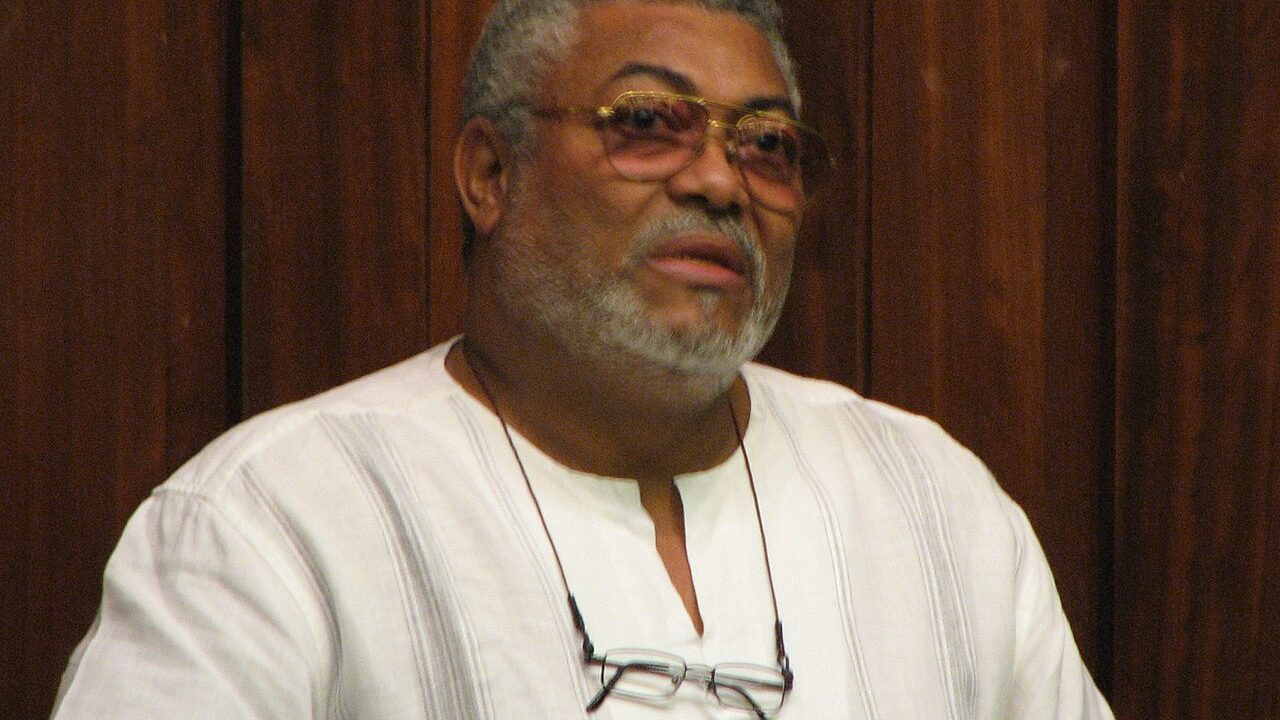
Two years earlier he had handed over power and saluted the new president. On the last day of 1981, Flight Lieutenant Jerry John Rawlings went on the radio in Accra and took it back. “This is not a coup,” he said. “I ask for nothing less than a revolution, something that will transform the social and economic order of this country.”
The handover of 1979
Rawlings had first seized power on 4 June 1979, when junior officers freed him from detention and toppled the Supreme Military Council. His Armed Forces Revolutionary Council ruled for just over three months. In that time it executed eight senior officers, including three former heads of state, Acheampong, Akuffo and Afrifa. Then it kept its promise and handed power to the elected civilian government of Dr Hilla Limann and the People’s National Party in September 1979.
Limann’s two years
Limann inherited a broken economy. Inflation was high, basic goods were scarce, and cocoa production had collapsed. His government was under pressure from the International Monetary Fund over the value of the cedi, and the urban poor felt every shortage. Rawlings, retired from the air force, remained a public figure and was watched closely by the security services.
The coup itself
The operation on 31 December was carried out by Rawlings and a small group of soldiers and former soldiers. It met little resistance. The broadcasting house was seized, and Rawlings’s voice went out to a country that recognised it at once.
In his broadcast he announced that Limann and his vice-president had been dismissed, Parliament dissolved and the 1979 Constitution suspended. The Council of State was abolished, along with all political parties.
The PNDC
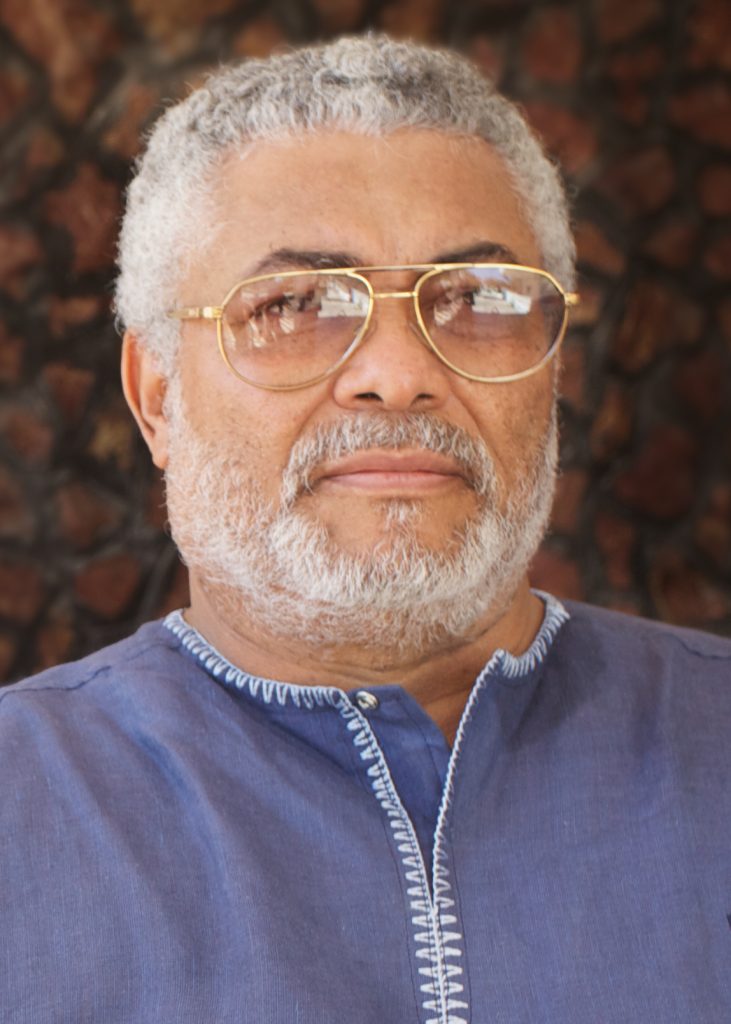
Power passed to the Provisional National Defence Council, chaired by Rawlings. The word “provisional” turned out to be generous. The PNDC governed Ghana for eleven years, longer than any government since independence at that point.
Its early period was marked by people’s defence committees, public tribunals and a cut in the space for opposition. In June 1982, three High Court judges and a retired army officer were abducted and murdered, a crime that haunted the regime for the rest of its life.
The turn to the IMF
The PNDC began as a radical government. By 1983, faced with drought, bush fires and the forced return of about a million Ghanaians expelled from Nigeria, it made a dramatic turn. It adopted the Economic Recovery Programme in partnership with the IMF and the World Bank, devaluing the cedi and opening the economy. The same government that had attacked Limann’s dealings with the Fund became the partner the Fund pointed to as its model in Africa.
From soldier to president
Under internal and external pressure, the PNDC returned Ghana to constitutional rule. A new constitution was approved by referendum in April 1992. Rawlings, now a civilian candidate of the National Democratic Congress, won the presidential election that November and served two elected terms until 2001.
31 December as a holiday
For years, 31 December was a public holiday marking the “revolution”. It was dropped from the calendar of statutory holidays after the NDC lost power. The day is still marked by party supporters. For other Ghanaians, it remains the morning the Third Republic ended, and the start of the longest single stretch of rule by one man in the country’s history.

.jpg)