

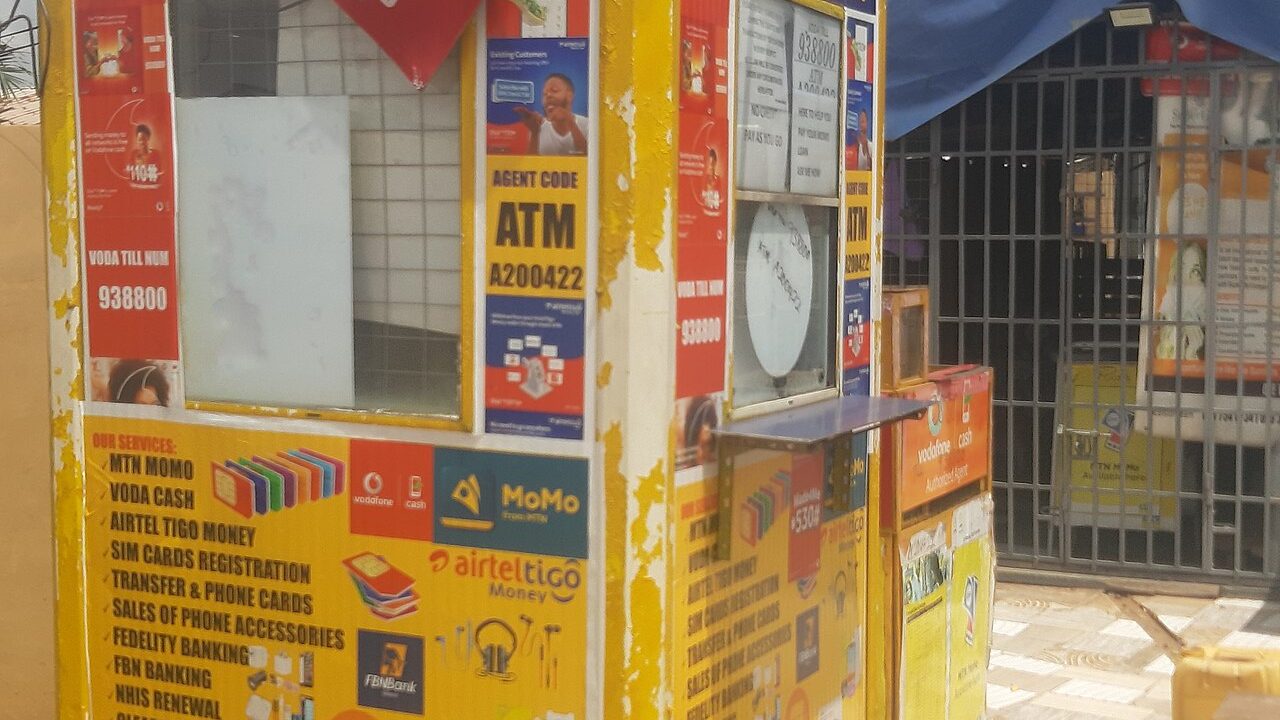
The text message says you have received GH₵500. A minute later, the phone rings. A polite voice explains they sent the money to your number by mistake and begs you to send it back. You check your balance and do not see the money, but the message looked real. That moment of hesitation is exactly what fraudsters are counting on.
The “wrong transfer” trick
This is the commonest mobile money scam in Ghana. The fraudster sends a fake SMS designed to look like a real transaction alert, then calls to ask for a refund. Always check your actual balance through your network’s official menu before doing anything. A genuine transaction shows up in your balance; a text message alone proves nothing. If someone really sent money by mistake, the network can reverse it; you do not need to send it yourself.
Never share your PIN
No genuine mobile money agent, customer service officer or network official will ask for your PIN. Fraudsters pretend to be from MTN, Telecel or AT and claim your account will be blocked unless you “verify” it. The moment you give your PIN, they can empty your wallet.
Promotions and prizes
Another popular trick is the fake promotion: “Congratulations, you have won a car in our anniversary draw.” The caller asks you to pay a “processing fee” or approve a transaction to claim the prize. Real promotions do not ask winners to pay.
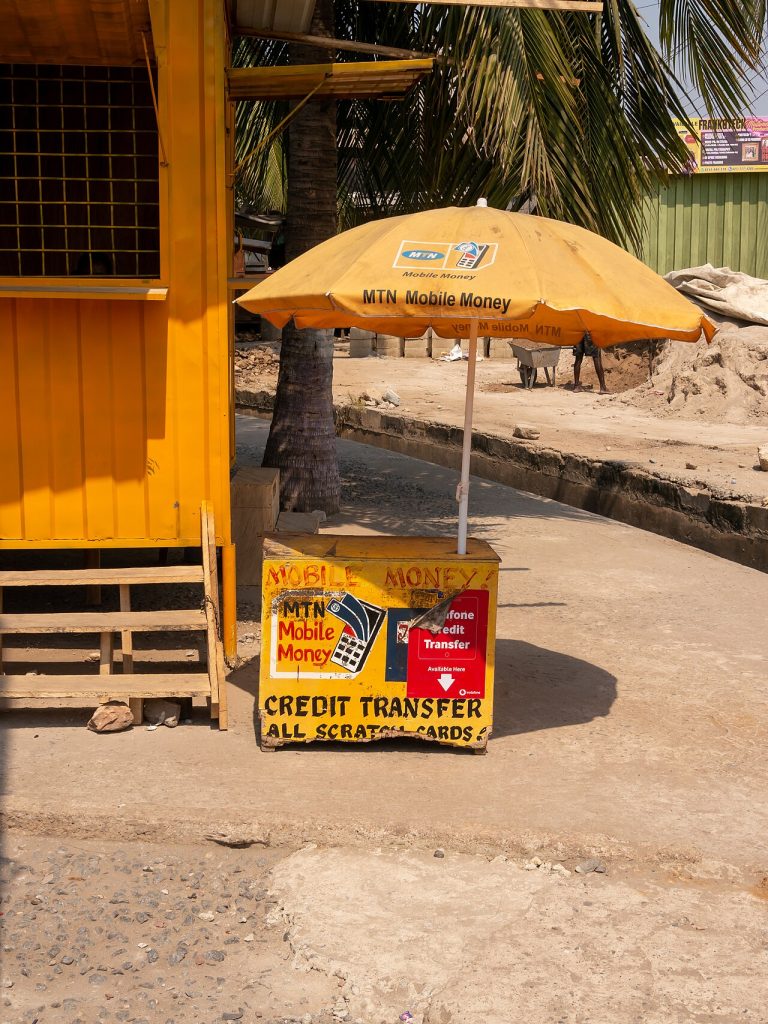
Approval prompts
Some scams send a payment approval prompt to your phone while the caller talks you through “confirming your details”. Read every prompt carefully. If you did not start a payment, decline it.
SIM swaps
In a SIM swap, a criminal convinces a network to move your number to a new SIM card, then takes control of your mobile money and other accounts. If your phone suddenly loses network for no reason, contact your provider quickly. The link between SIM registration and the Ghana Card was meant to make this harder.
Online shopping fraud
Many Accra shoppers buy through Instagram, TikTok and WhatsApp. Some sellers take payment and disappear. Use pay-on-delivery where possible, and be wary of prices that are far below the market.
What to do if you are scammed
Call your network’s customer service line immediately and report the transaction. Report to the police, and keep screenshots, numbers and times. Ghana’s Cyber Security Authority also takes reports of online and mobile fraud.
Protect your phone
Use a screen lock and a mobile money PIN that is not your birthday. Do not leave your phone unlocked with others. Check your transaction history regularly.
Mobile money has made life in Accra faster. The scams are fast too. The best defence is the habit of stopping for ten seconds and checking before you send anything to anyone.

.jpg)