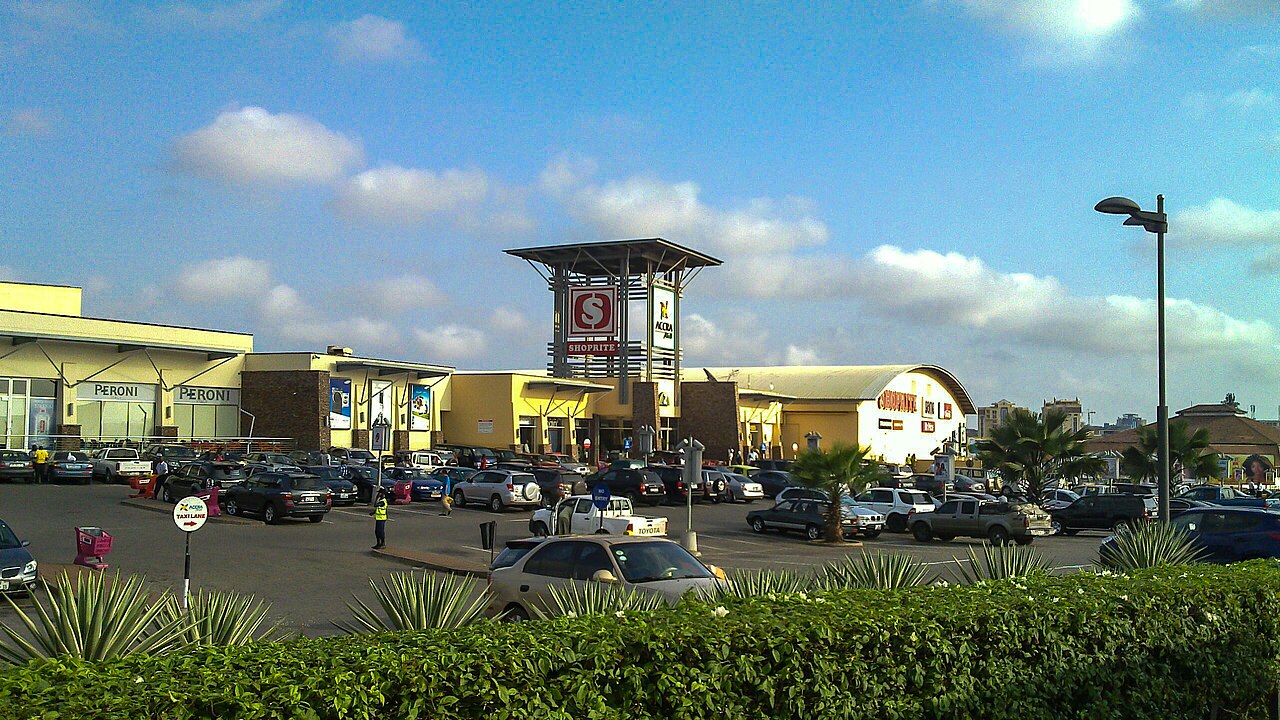
When the Accra Mall opened in 2008, one of its biggest attractions was the Shoprite supermarket. Ghanaian shoppers who were used to open markets and small provision stores could now push trolleys through long aisles of imported goods. Shoprite became the anchor of modern retail in Ghana. A little more than a decade later, the South African company decided to leave.
Arrival, imports and prices
Shoprite expanded across Africa in the 1990s and 2000s. In Ghana, it opened at the Accra Mall and later in other malls in Accra, Kumasi and Takoradi. Shoprite’s presence helped make malls viable. Developers built new centres knowing a big supermarket would draw shoppers. Much of what Shoprite sold was imported from South Africa and elsewhere. Critics said it did too little to stock Ghanaian products.
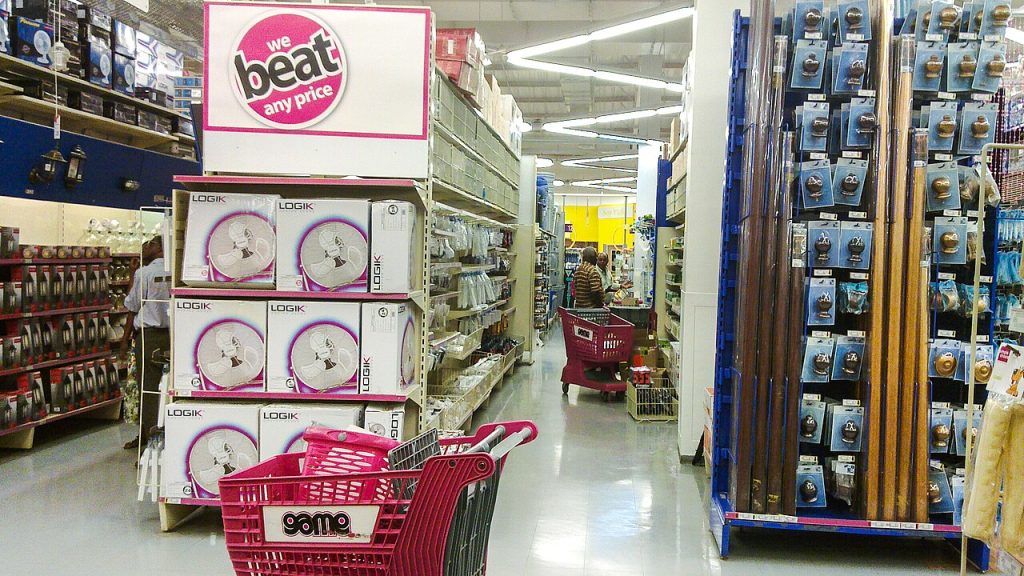
For many Ghanaians, Shoprite prices were higher than market prices. Its main customers were middle-class shoppers and expatriates.
The exit and why it struggled
In 2020, Shoprite announced plans to leave Nigeria, Ghana and Kenya as part of a strategy to focus on its core markets. It said its operations in these countries were not delivering the expected returns. The Ghana business was sold, and the stores continued trading under the new owners. Staff and customers waited anxiously during the transition.
Analysts pointed to currency weakness, high import costs, competition from local retailers and the challenge of sourcing goods. Ghanaian chains such as Melcom, as well as supermarkets like Palace and others, compete for shoppers. Markets remain the main source of food for most families.
Lessons, malls and online shopping
The experience showed that foreign retailers need strong local supply chains to succeed in Ghana. Malls in Accra still draw visitors for shopping, cinemas and restaurants, though some have struggled with vacancies. Many families combine supermarket trips with market shopping to balance cost and convenience. Shoprite employed hundreds of Ghanaians as cashiers, shelf stackers and managers. Workers worried about their jobs during the sale, and unions followed the transition closely.
Delivery apps and online stores now offer another option for busy Accra households. Shoprite helped introduce the trolley and the checkout queue to Ghanaian shopping. When it left, the markets were still there, and they were still where most of Accra bought its dinner.