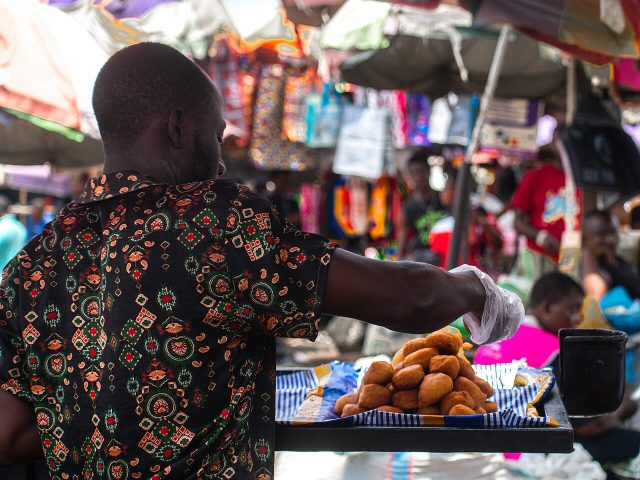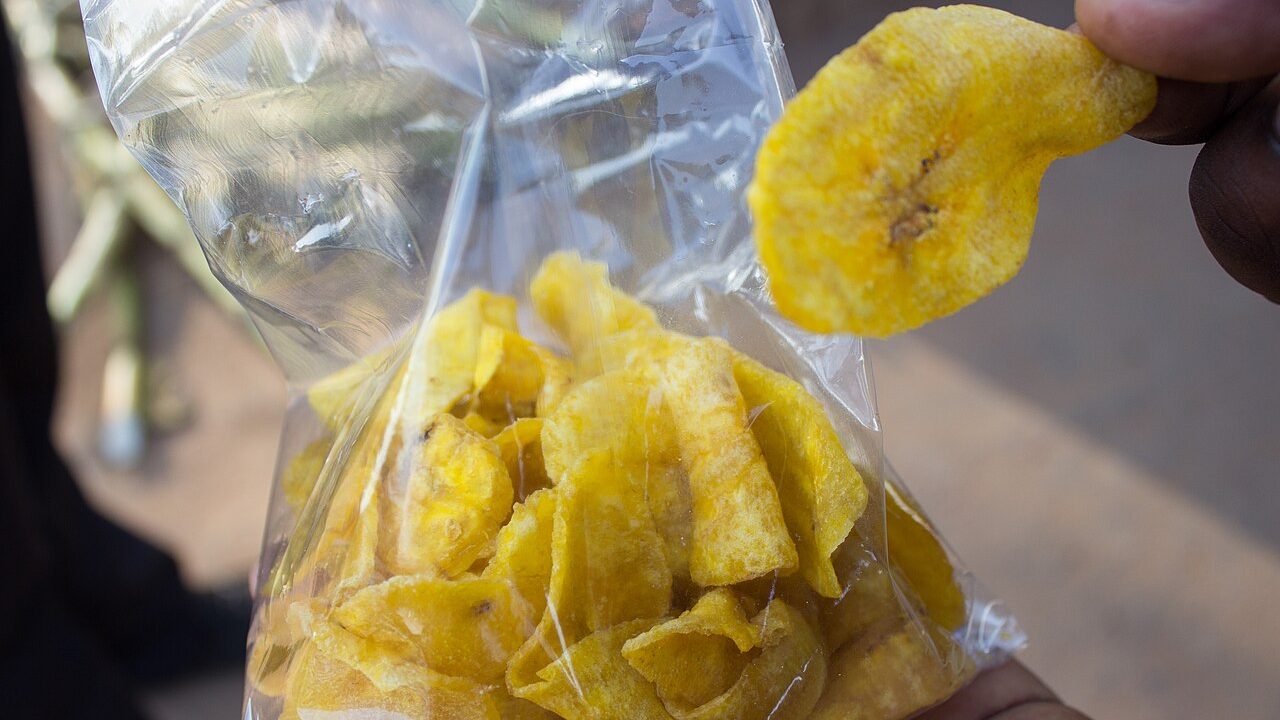
The traffic on the motorway has stopped again, and the hawkers move in. Among the sellers of water, phone chargers and newspapers are young men and women carrying stacks of small bags filled with golden plantain chips. A few coins change hands through the car window, and the driver has a crunchy snack for the slow ride home. Plantain chips are one of Accra’s most popular snacks, and selling them supports thousands of small businesses.
What they are and how they are sold
Plantain chips are thin slices of plantain fried until crisp. They can be made from unripe green plantain, which is crunchy and salty, or riper plantain, which is sweeter. The plantain is peeled and sliced thinly, often with a special slicer, then fried in hot oil and salted. Some makers add spices or pepper. Hawkers sell plantain chips at traffic lights, junctions and motorway toll points, often walking long distances in the heat.
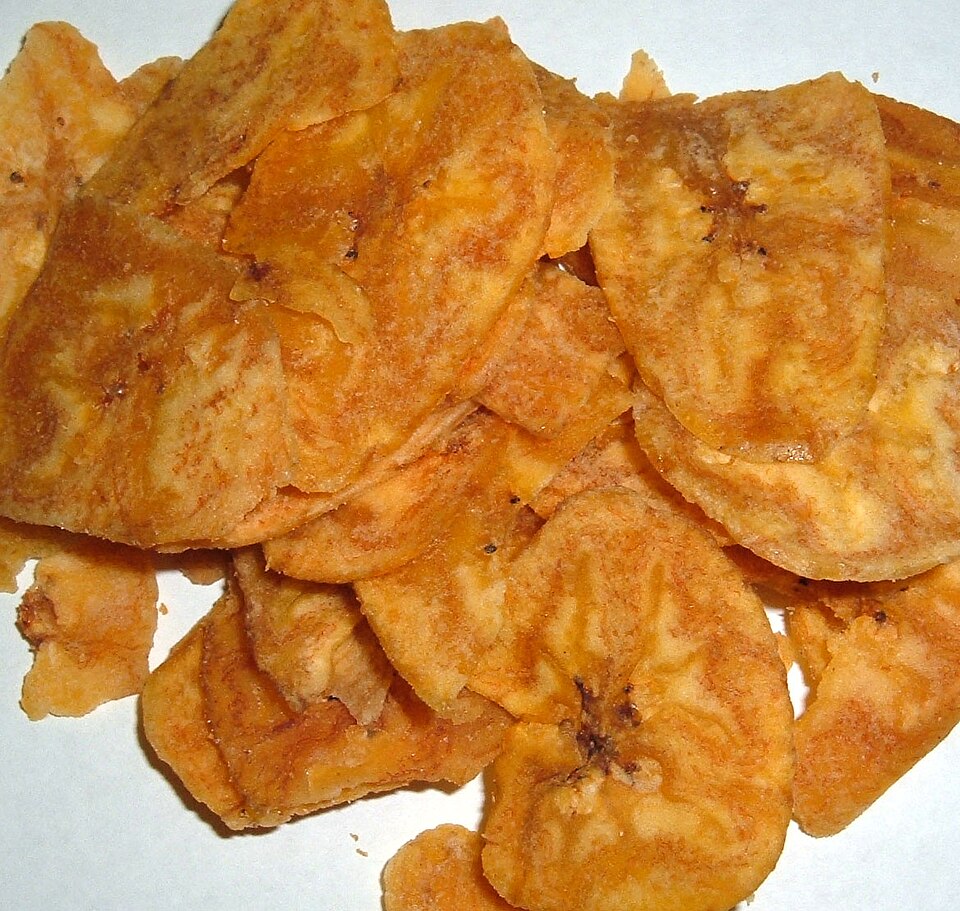
Many women run plantain chip businesses from home, frying in the morning and supplying hawkers or shops.
Packaging, price, health and risks
Some producers have built brands with printed packaging, selling to supermarkets and exporting abroad. Plantain chips are affordable, making them a popular snack for students and workers. As a fried food, they are high in oil, but they are often preferred over imported snacks. Street hawkers face dangers from traffic and are sometimes chased by city authorities enforcing bans on street trading.
Plantain chips are easy to make at home with fresh plantain and oil. Ghanaians abroad buy plantain chips in African shops, and similar snacks are popular across West Africa and the Caribbean.
Plantain, hygiene and lunchboxes
Plantain is a staple crop in Ghana, used in fufu, ampesi, kelewele and many other dishes. Buyers look for sealed bags and fresh, crisp chips. Buyers often have strong opinions about which is better: the crunchy, salty chips made from green plantain or the softer, sweeter ripe version. Many sellers carry both, and some add a sprinkle of pepper for those who like heat.
Parents often pack plantain chips in children’s lunchboxes. Most drivers in Accra traffic never learn the name of the hawker at their window. The plantain chips they hand over keep a whole chain of small businesses running.