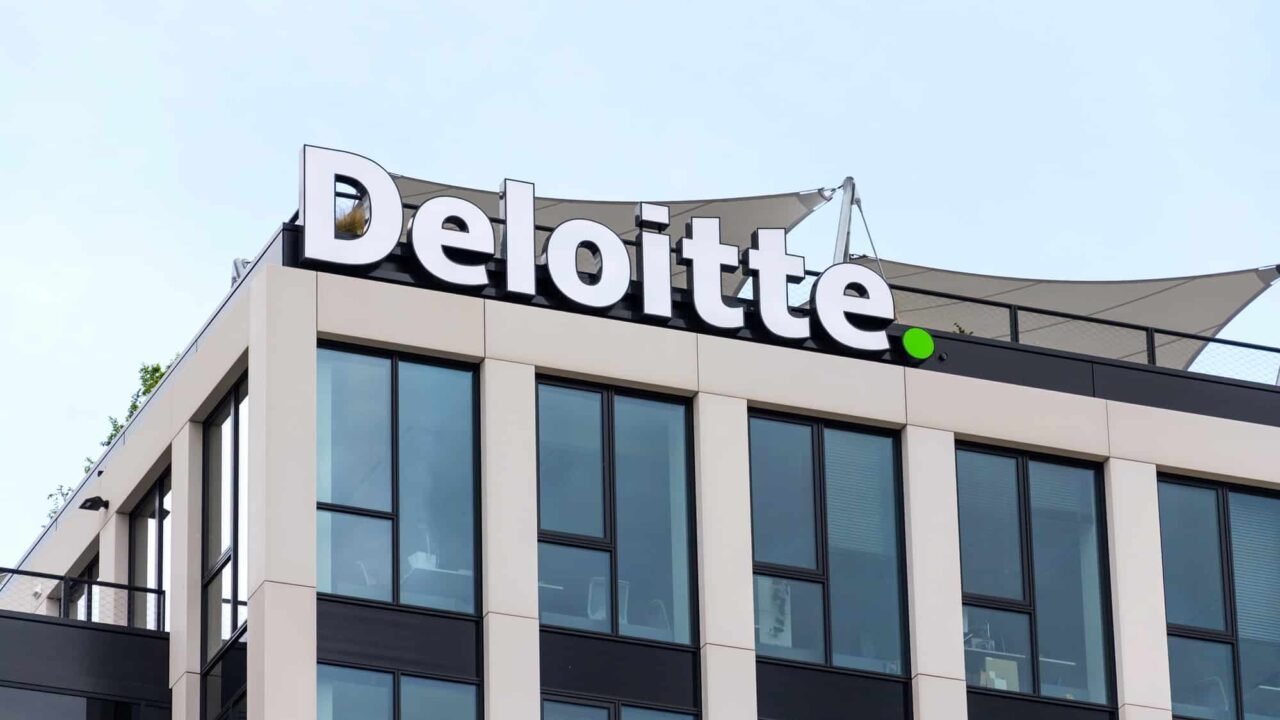
Ghana's economy has made significant progress in a relatively short period, according to Deloitte Ghana's 2026 Mid-Year Budget Review. The review highlights strong growth, controlled inflation, eased debt servicing pressures, and maintained fiscal discipline.
Fiscal Discipline Holds Key to Ghana's Economic Future
The professional services firm warns that the next phase of economic management will pose different challenges. Deloitte notes that preserving fiscal discipline as Ghana transitions from an International Monetary Fund financing programme to a policy-monitoring framework will be crucial.
Maintaining fiscal discipline, deepening revenue administration reforms, addressing energy sector liabilities, and building buffers against future shocks will be key priorities. If these priorities are pursued consistently, Ghana will be better positioned to avoid a return to the debt difficulties of the recent past and to place the economy on a more sustainable growth path.
Building Resilience Against Future Shocks
Deloitte emphasizes the importance of building fiscal buffers, citing the need to strengthen resilience rather than expand recurrent spending. The establishment and continued funding of sinking funds and other fiscal buffers are prudent measures from the Minister, according to Deloitte.
Commodity markets are inherently cyclical, with favourable prices currently being enjoyed for gold and, to some extent, cocoa, not persisting indefinitely. Future downturns are inevitable, even if their timing remains uncertain. By building buffers during periods of high commodity prices, the government can better protect citizens and the broader economy when external conditions become less favourable.
A Sustainable Growth Path
Deloitte's analysis highlights the importance of fiscal discipline and building resilience in the face of future economic challenges. Ghana's economic progress in recent years has been remarkable, and the government's efforts to maintain fiscal discipline and build buffers against future shocks are commendable.
However, the next phase of economic management will pose different challenges, and it is essential that the government continues to prioritize fiscal discipline and building resilience. If Ghana can maintain its current trajectory, the country will be better positioned to achieve sustainable economic growth and avoid a return to debt difficulties.
The government's efforts to build fiscal buffers and maintain fiscal discipline are crucial steps towards achieving a more sustainable growth path. By prioritizing these efforts, Ghana can better protect its citizens and the broader economy from future economic shocks.
Source: Joy Online