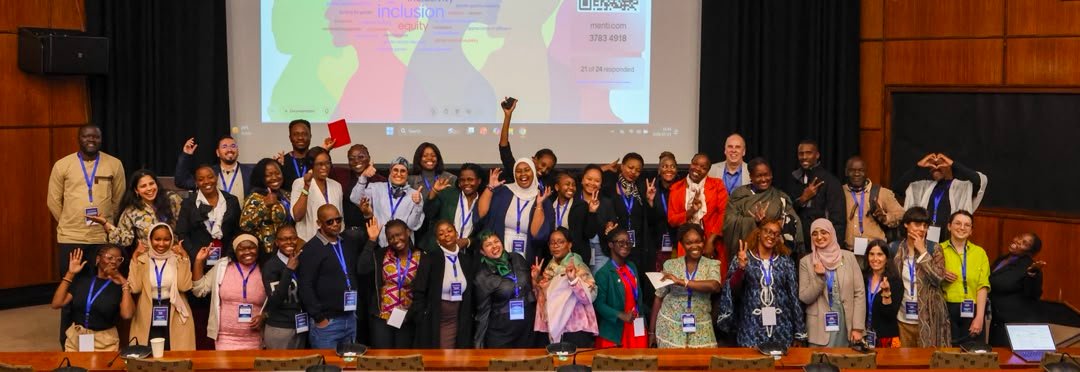
Women across Africa are calling for air quality policies that better reflect the realities they face, arguing that gender differences in pollution exposure have been overlooked for far too long. At the Africa Clean Air Forum in Pretoria, South Africa, experts and advocates said women often bear a disproportionate share of air pollution because of traditional caregiving roles, cooking with polluting fuels, and occupations that expose them to harmful emissions.
Women's Exposure to Air Pollution
Head of Global Initiatives at the Health Effects Institute, Dr. Pallavi Pant, said exposure to air pollution is shaped by where people live, work, and the roles they play in society. In many societies, women are the primary caregivers for their families, cooking with polluting fuels like wood and charcoal, and employed in occupations with higher exposure. Dr. Pant emphasized that air pollution policies increasingly focus on cleaner transport and better urban planning, but often overlook the everyday realities women face.
The Women in Air Quality Initiative
Dr. Pant recalled facing several gender-related challenges throughout her career, including moments when she was not taken seriously simply because she was a woman. This led to the creation of the Women in Air Quality initiative, a WhatsApp group that started as a small network for women working on air quality in South Asia and has since expanded into Africa. The group connects scientists, journalists, policymakers, architects, communicators, activists, and students working to improve air quality across both regions.
Local Voices Make a Difference
Among those helping to grow the African network is Priscah Adrine Murabaca, a communications specialist from Uganda. She grew up in a rural community where cooking with firewood was a normal part of everyday life. After entering the air quality field, she began connecting household smoke with serious health impacts on women and children. Today, she works with communities to promote practical solutions for women who cannot yet afford cleaner cooking fuels.
The Need for Integrated Evidence
Priscah Adrine Murabaca believes one of the biggest obstacles to policy action is the lack of integrated evidence linking women's health with pollution exposure. "We have livelihood data, we have health data, we now have air pollution data, but all these three are not speaking to each other," she said. "If we have such numbers, we're able to advocate better." For Kenyan architect Mariam Wangeshi, the journey into clean air advocacy began inside the design studio. She now advocates for cities that reflect how women actually live, raising children, commuting, working, and caring for families.
The Power of Women's Voices
Ranela Ngobile, a South African environmental justice activist, said her passion for clean air stems from personal experience. Growing up in Mpumalanga, one of South Africa's largest coal-producing regions, she battled asthma every winter. Today, she works with communities affected by industrial pollution, educating residents about the links between air pollution, health, and climate change. She believes women deserve a stronger voice in shaping environmental policy. "We need to empower women and ensure that women are put in the forefront," she said.
The growing network is also inspiring a new generation of women entering the field. Tino Muponde, a Master's student in Public Health specialising in Environmental Health at the University of Cape Town, said attending the Women in Air Quality meeting in Pretoria showed the strength of women coming together to advocate for clean air. As the Women in Air Quality initiative continues to grow, it is clear that women across Africa are taking a stand for clean air and demanding policies that better reflect their realities.
Source: Joy Online