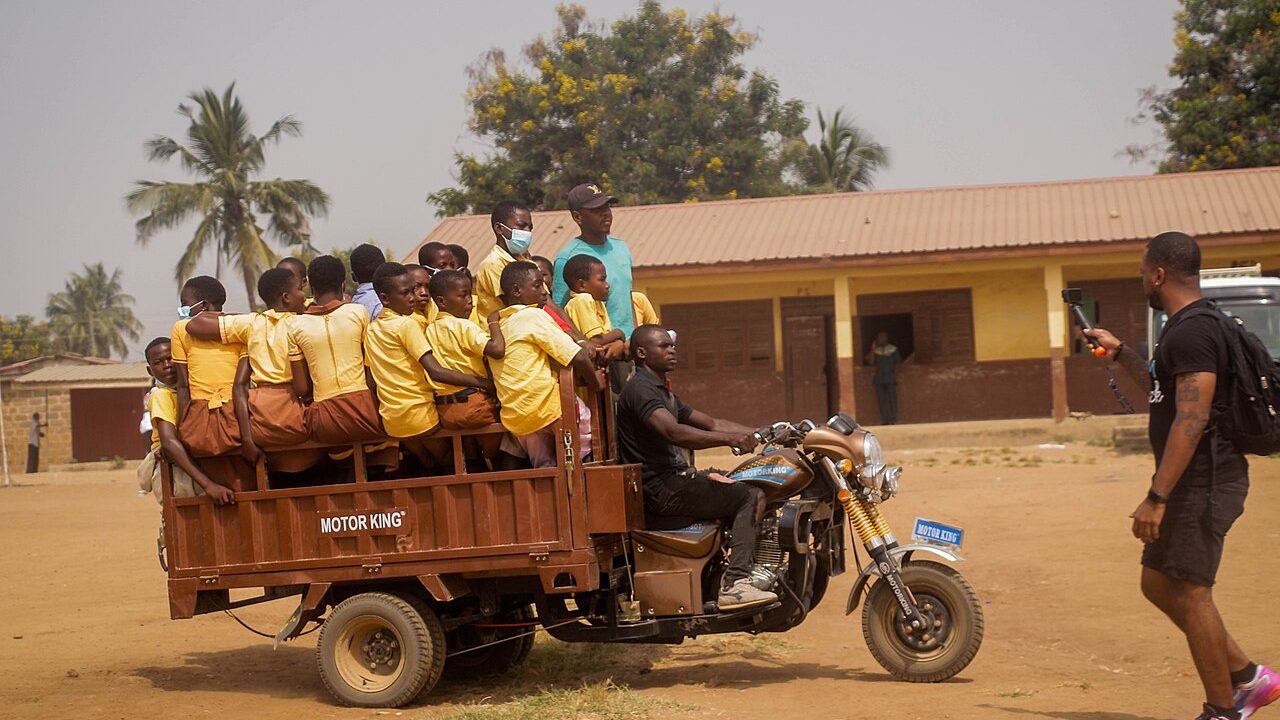
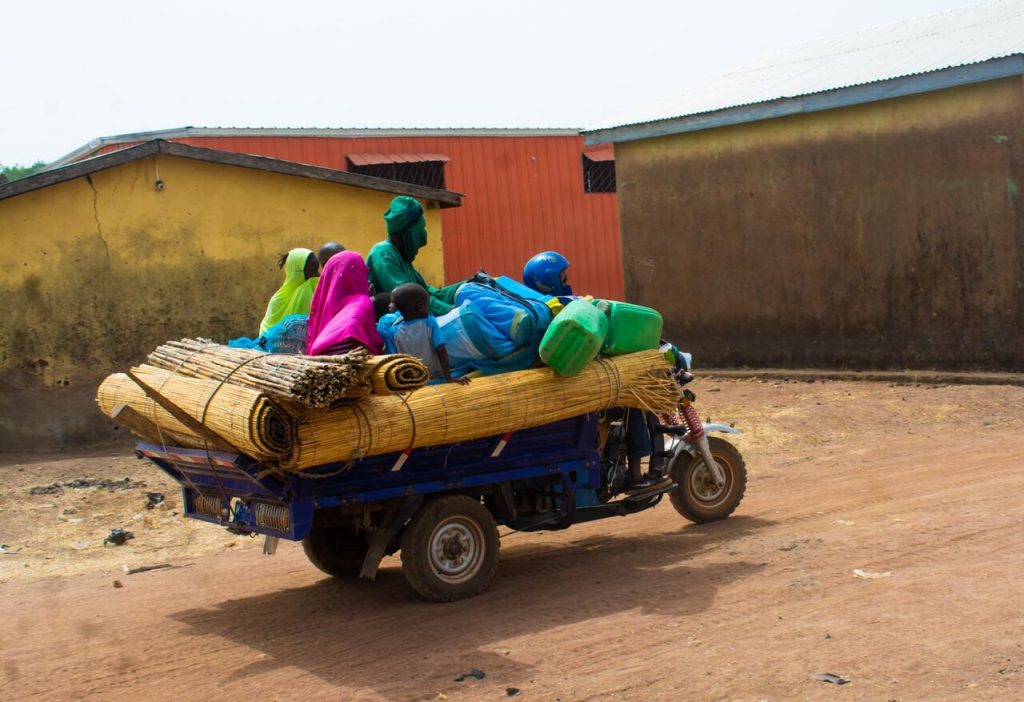
A tricycle loaded with yam, plastic chairs or bags of rubbish weaves through traffic at Kaneshie. In many Accra neighbourhoods, these three-wheeled motorbikes have become as familiar as trotros. Ghanaians call the cargo version aboboyaa and the passenger version pragya, and their spread over the past decade has changed how the city moves goods and people.
Where the names come from
“Aboboyaa” was first used for hand-pushed carts and later for motorised cargo tricycles. “Pragya” is a popular name for passenger tricycles. Both names are now used across southern Ghana.
Cargo and waste
Aboboyaa operators carry goods for traders between markets, warehouses and shops. Many also collect household waste in neighbourhoods where large waste trucks cannot enter narrow streets. Residents pay operators a small fee to take rubbish away. Some operators dump waste illegally, which assemblies blame for blocked drains.
Passenger tricycles
Pragya tricycles carry passengers over short distances, especially in the suburbs and on roads not served by trotros. They are cheaper than taxis and can squeeze through side streets. For many residents, they are the link between home and the main road.
Jobs for young men
Tricycles have created income for many young men, some of whom buy the vehicles through hire-purchase schemes and pay the owners daily or weekly. For people who cannot find formal jobs, operating a tricycle is a way to earn money.
Safety concerns
Tricycles are often overloaded, poorly maintained and driven by riders without proper training or licences. Accidents involving tricycles are common. Riders on busy highways, mixing with trucks and buses, are particularly at risk.
Regulation
Ghana’s road traffic laws restrict the commercial use of motorbikes and tricycles, and assemblies have at times banned tricycles from parts of central Accra or major roads. Enforcement has been inconsistent, and debates continue over whether to regulate and license tricycle operators rather than ban them.
Licensing and registration
Owners are supposed to register their tricycles with the Driver and Vehicle Licensing Authority and riders to hold appropriate licences. Many do not. Police and DVLA operations to check documents periodically lead to seizures.
A sign of the city
The rise of tricycles reflects Accra’s growth: more people, more goods and more neighbourhoods than formal transport can serve.
Accra’s planners did not design a city for tricycles. Its residents built one anyway, one load of yams and one bag of rubbish at a time.