The first experiment failed because people would not pay. In 1858 colonial officials tried a municipal system at James Town in Accra, and residents resisted the rates it imposed. The scheme was abandoned. It took another forty years before Accra had a working town council, and the argument over who pays for the city has never really stopped.
The 1894 ordinance
The legal basis came with the Town Councils Ordinance of 1894. It applied first to the three major towns of the Gold Coast. Accra received its council in 1898, Sekondi in 1904 and Cape Coast in 1906. The Accra Town Council held its first meeting in 1898, with records giving the date as 14 February.
Why Accra needed one
Accra had become the capital of the Gold Coast colony in 1877, moving the seat of government from Cape Coast. The town grew around the old forts and the Ga quarters of James Town and Ussher Town, and it faced the problems every growing town faces: sanitation, water, markets, roads and disease. The colonial government wanted a body that could raise local revenue and spend it on those problems.
Who sat on it
The early council mixed colonial officials with nominated and, later, elected African members. Educated Africans in Accra used it as one of the few arenas where they could argue publicly with the colonial administration. Many disputes were about rates, which residents saw as taxation imposed on them without real control over how the money was spent.
Changing names
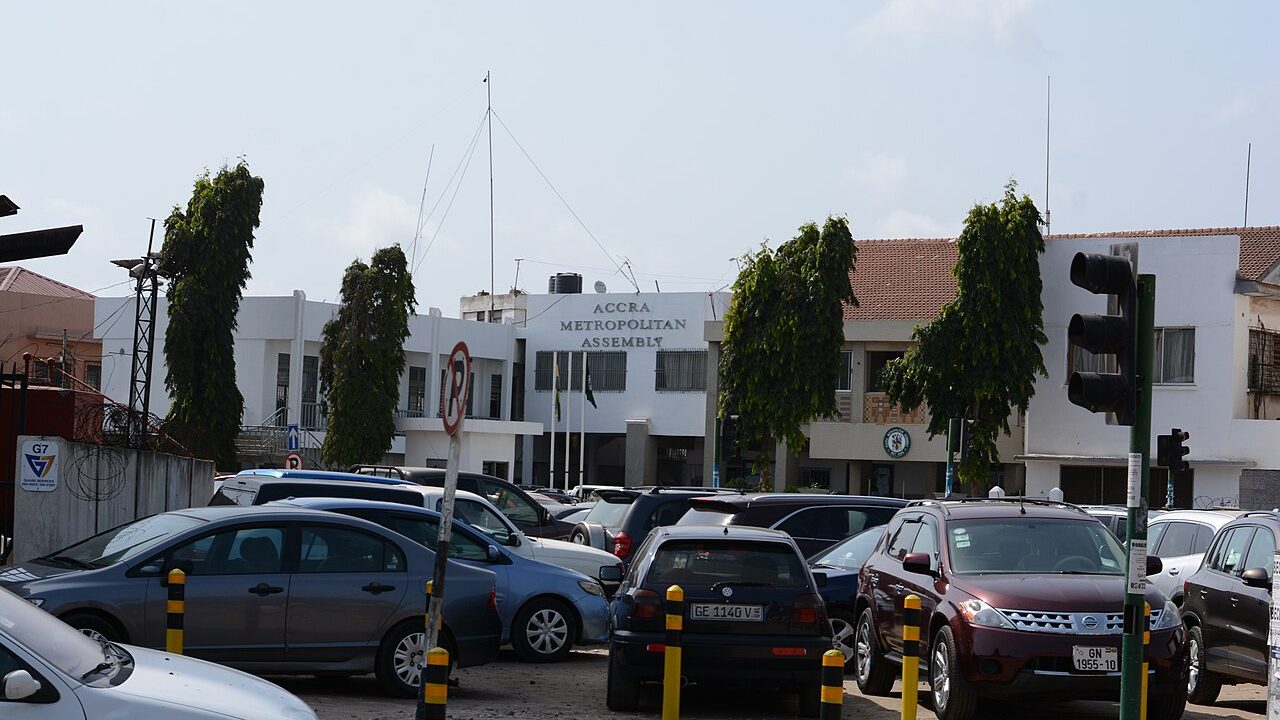
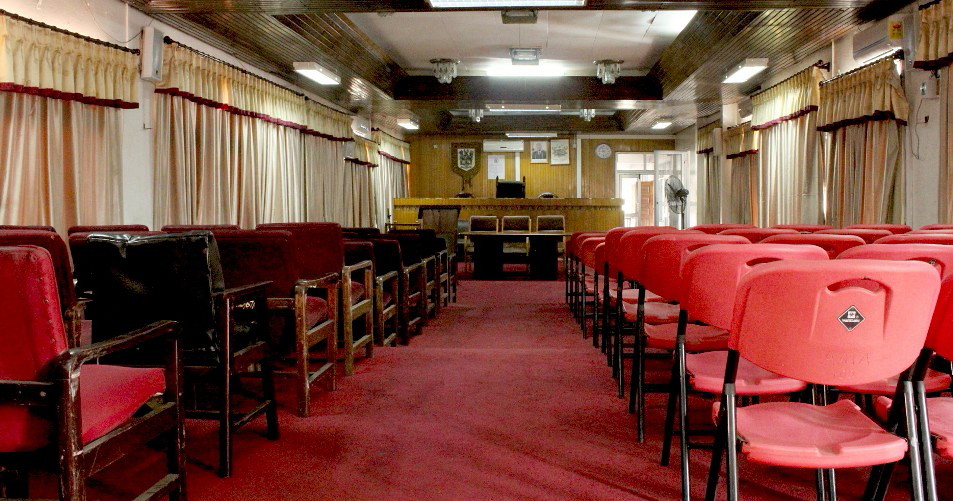
The council was re-established in 1943. In 1953 it became the Accra Municipal Council. When Accra was declared a city in 1961, the body became the Accra City Council. Later reforms produced the Accra Metropolitan Authority and then the Accra Metropolitan Assembly, the AMA, which governs the central part of the capital today under the decentralised local government system.
A smaller AMA
The modern AMA covers a much smaller area than its name suggests. Greater Accra has been divided into many municipal and district assemblies, so places like Tema, La, Ga East, Adentan and Ablekuma now have their own assemblies. The AMA’s territory is the historic core, including James Town, Ussher Town and the central business district.
The old argument
Property rates, market tolls and business permits remain the AMA’s main sources of local revenue, and collecting them is still hard. Traders in Makola and property owners across the city complain about fees. The assembly complains that too few people pay. It is close to the same quarrel that sank the James Town scheme in 1858.
Every time an Accra mayor, the Metropolitan Chief Executive, announces a new rates drive, the city is replaying a debate that began in its oldest streets more than 160 years ago.