In Nima at dusk, the call to prayer rises over crowded streets, food sellers fire up their grills, and Hausa mixes with Twi, Ga and English. This is one of Accra’s zongos.
The word zongo comes from Hausa and refers to a settlement of strangers, originally a travellers’ camp for traders. In Ghana, it has come to mean communities where migrants from the north of the country and from neighbouring Sahel countries settled, many of them Muslim traders, cattle dealers and workers.
The communities
Accra has several zongos. Nima and Maamobi, north of the city centre, are among the largest and most densely populated. Sabon Zongo, meaning “new zongo”, is one of the older ones. Others include parts of Madina, Accra New Town and Kotobabi.
Residents trace their origins to many groups, including Hausa, Fulani, Zarma, Dagomba, Gonja, Wangara and others. Hausa has long served as a common language.
Many zongos have their own chief, often called the Sarkin Zongo, who represents residents before traditional and state authorities, settles disputes and presides at community events. Ethnic groups within a zongo may also have their own leaders.
Religion and culture
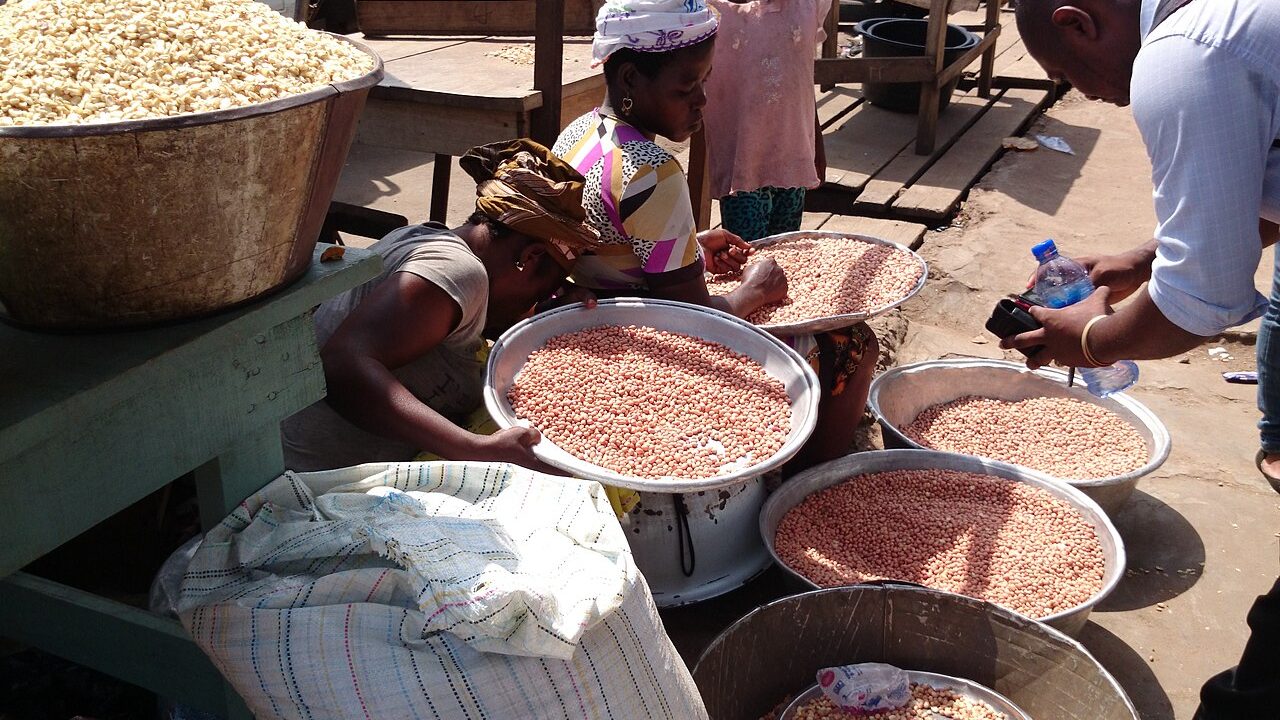
Zongos are centres of Muslim life in Accra, with mosques, Islamic schools and Eid celebrations that fill the streets. They are also known for food: waakye, tuo zaafi, kebabs, fura and hausa koko sold from early morning to late at night.
Challenges
Many zongo communities face overcrowding, poor sanitation, flooding, limited public services and high youth unemployment. They have sometimes been stigmatised as dangerous, a label residents reject.
The Zongo Development Fund
In 2017, the government of Nana Akufo-Addo created a Ministry of Inner-City and Zongo Development and established the Zongo Development Fund by law, to invest in infrastructure, education and jobs in zongo and inner-city communities. Projects have included schools, drains, astroturf pitches and skills training, although residents say much more is needed.
Contribution
Zongos have produced politicians, footballers, musicians and business people. The communities are also important in national politics, and candidates from all parties campaign hard there.
Change
As Accra grows, rents have risen and some zongo residents have moved to the city’s outskirts. Young people from zongos are prominent in music, fashion and social media.
The zongos began as camps for strangers. Several generations later, the people born there are among the most rooted residents of Accra.