In May 2022, a document signed by Ghana’s Lands and Natural Resources Minister set off one of the angriest public debates of the year. Social media filled with a single message: save Achimota Forest.
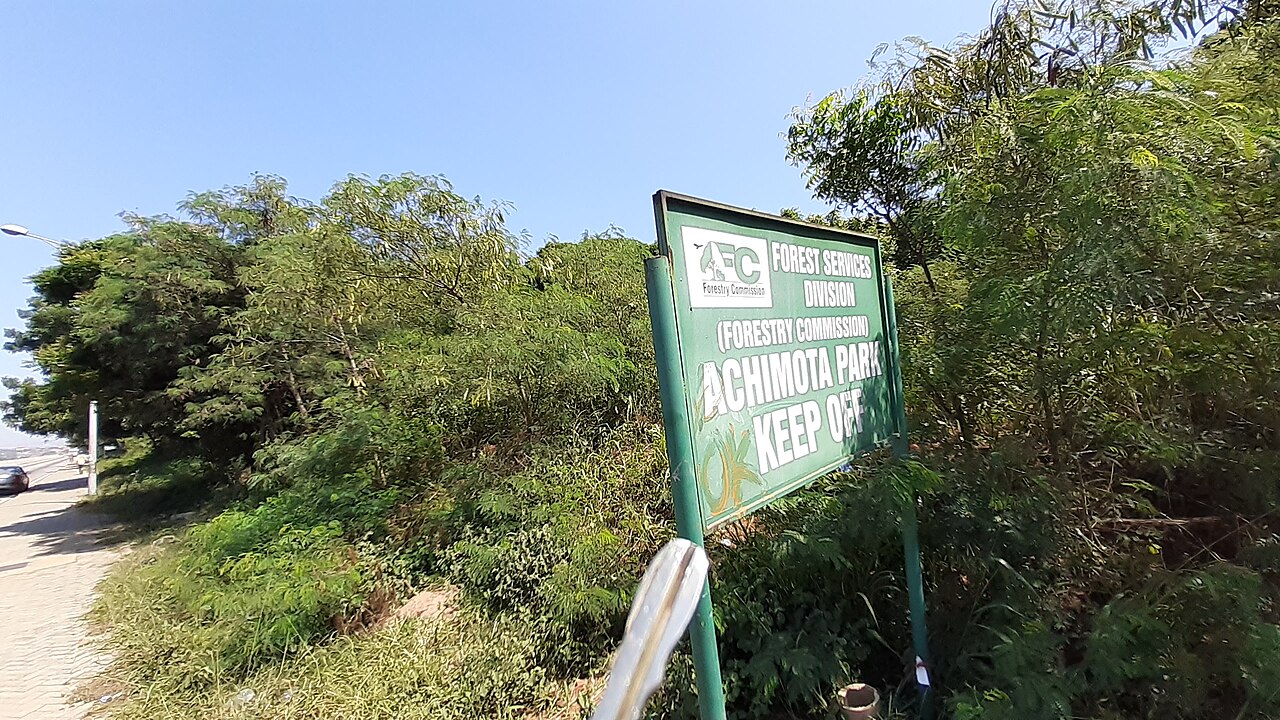
The forest, in the north of Accra between Achimota and the Accra to Kumasi road, is the largest green space left in the capital. Joggers, cyclists, school groups and families use its paths. It was acquired by the colonial government in the 1920s, around the time the land for Achimota College was secured, and later became a forest reserve.
What the instrument did
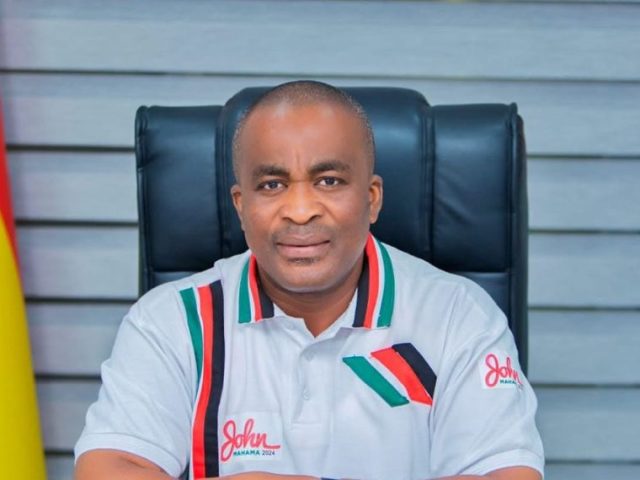
The Minister, Samuel Abu Jinapor, signed an Executive Instrument that changed the status of parts of the reserve. The government said the land affected was on the periphery, and that it was returning it to the Owoo family, the original owners, who had long complained about the terms of the colonial acquisition and had pursued claims for years.
Critics saw a different story. They feared that land in a prime part of the capital would pass to private hands and end up covered with houses, as has happened to many open spaces in Accra. The phrase “Achimota Forest” trended as people shared photos of the trees and demanded to know who would benefit.
The government’s answer
Jinapor said repeatedly that the forest itself would remain a reserve and would not be sold. He said the government planned to develop an ecotourism park in the forest and that the areas released were already built up or were not part of the core forest. The government also pointed to the rights of families whose land had been taken during colonial rule.
The Owoo family said they had waited decades for justice and that the land belonged to them.
A city that keeps losing space
The row struck a nerve because Accra has lost so much open land. Wetlands such as the Sakumono Ramsar site have been encroached on, and public land in central Accra has often been sold off for development. Residents who have watched buildings rise in drains and green belts had little trust that any released land would stay green.
The issue also raised questions about how Ghana handles colonial-era land acquisitions. Many families across the country say land was taken for public use and never paid for, or was used for purposes different from the original ones.
Where it stands
The forest is still there, and people still walk its trails at the weekend. But the row left a lasting suspicion. Every new fence or bulldozer near the forest now draws photographs and questions.
The minister’s promise was that the trees would stay. Accra’s residents have decided to keep checking.