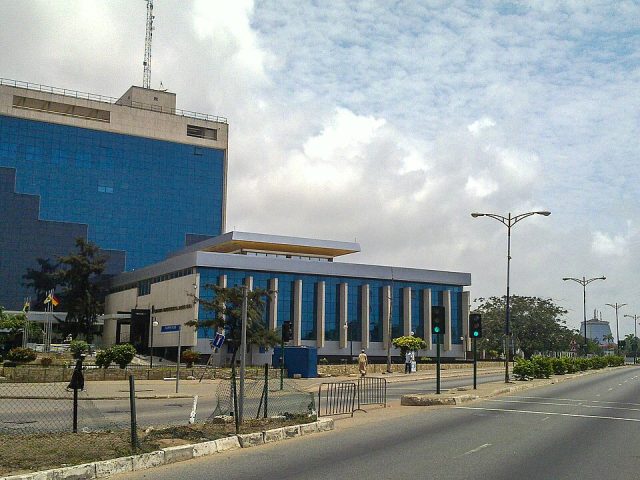
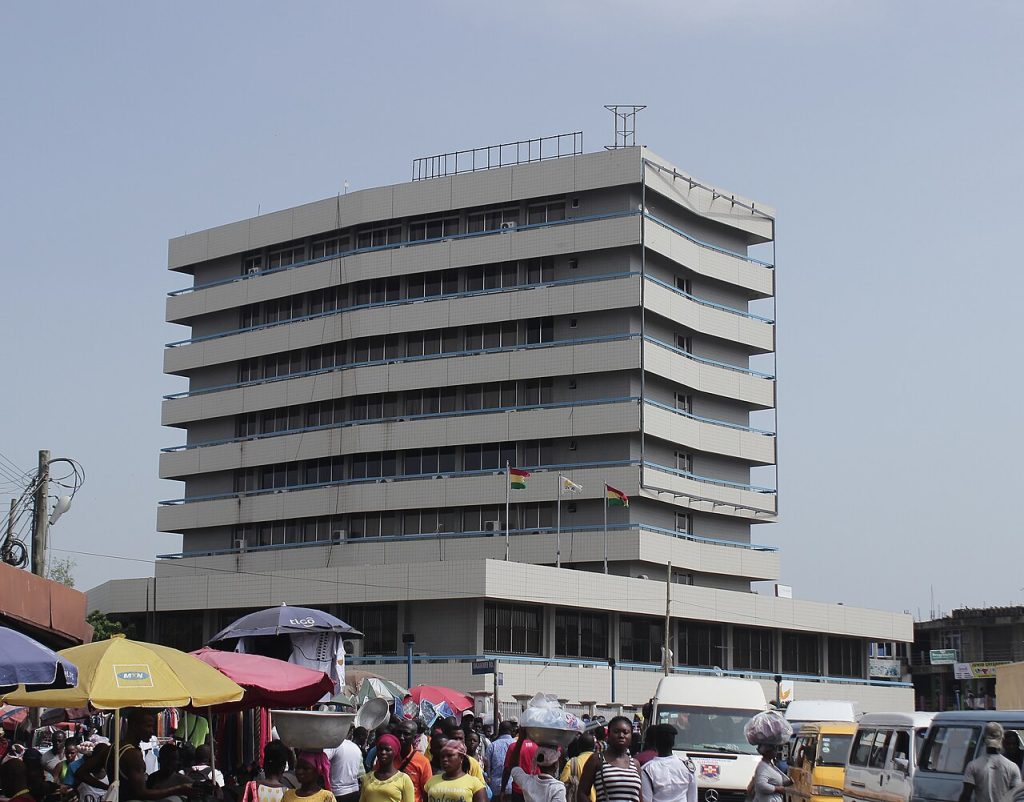
The headquarters in central Accra does not look like a power centre, but what happens inside affects every price in the country. The Bank of Ghana, set up in 1957, decides interest rates, issues the cedi, supervises banks and manages the country’s foreign reserves. When it raises rates or revokes a bank’s licence, the whole economy feels it.
Founding and the first currency
The Bank of Ghana was established in 1957, the year Ghana became independent. A central bank was seen as essential for a sovereign nation, replacing colonial currency arrangements under the West African Currency Board. In 1958, the bank issued the Ghana pound, replacing the West African pound. In 1965, the cedi replaced the Ghana pound. The currency was later redenominated in 2007, when 10,000 old cedis became one new Ghana cedi.
Monetary policy and bank supervision
The bank’s Monetary Policy Committee sets the policy rate, which influences interest rates on loans and deposits. Its main goal is to keep inflation low and stable.
Ghana adopted an inflation-targeting framework in the 2000s. The bank sets a target range and adjusts policy to keep inflation within it, though it has often been missed during economic crises. The bank licenses and supervises commercial banks, savings and loans companies, microfinance institutions and other financial firms. It sets capital requirements and can revoke licences.
The clean-up, reserves and mobile money
Between 2017 and 2019, the Bank of Ghana revoked the licences of several banks and hundreds of other financial institutions in a major clean-up of the sector, after finding weaknesses and fraud. The exercise was costly and controversial. The bank manages Ghana’s foreign reserves, including gold. In recent years it has expanded gold purchases, including domestic gold, to strengthen reserves.
The bank regulates digital payments, including mobile money. Ghana’s mobile money interoperability system, launched in 2018, was overseen by the bank.
Independence and recent losses
The Bank of Ghana Act gives the bank independence in setting monetary policy, though critics argue that government borrowing has at times undermined its control. After Ghana’s 2022 debt crisis and domestic debt exchange, the bank reported large losses. Its finances became a subject of political debate. Most Ghanaians never enter the Bank of Ghana. They meet it every day in the price of bread, the interest on a loan and the value of the notes in their pocket.