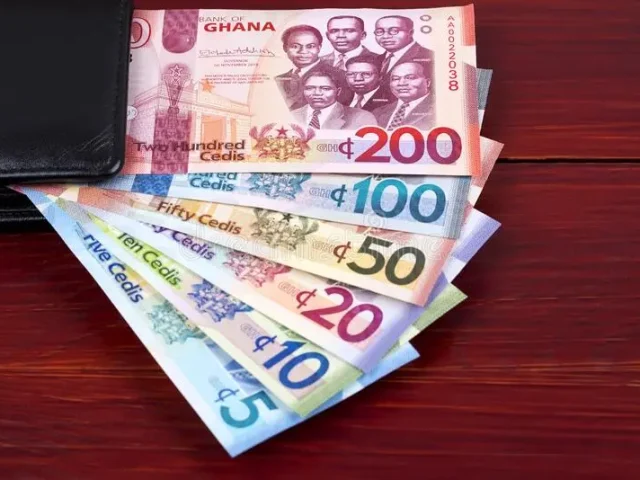
The Bank of Ghana kept its medium-term inflation target at 8 ± 2% despite a third straight rise in year-on-year inflation in September 2026. Headline inflation nudged up to 5.2% from 5.0% in August, reversing a downward trend. Consumer Price Inflation rose 1.1% month-on-month in September, following a decline the previous month.
The Monetary Policy Committee met for its 132nd session amid concerns about external risks linked to the global economy. The committee cited “upward adjustments in utility tariffs, rising ex-pump petroleum prices, strengthening of the US dollar, and adverse spillovers from global supply chain disruptions” as upside threats to inflation.
Still, the committee found reasons for cautious optimism. Core inflation and inflation expectations showed signs of easing, suggesting underlying inflationary pressures were moderating. Food inflation increased to 4.0% in September, up from 3.0% in August, while non-food inflation dipped slightly to 6.2% from 6.8%.
Domestic conditions remained relatively stable, the committee said, and the risks from global factors were expected to be offset by fiscal consolidation efforts, better food supply conditions, and exchange rate stability. These offsetting factors helped the committee maintain confidence that headline inflation would return to the target range over the medium term, “barring any shocks.”
The Bank of Ghana’s stance comes as other economies grapple with inflationary pressures driven by supply chain disruptions and currency fluctuations. The committee’s decision to hold the target steady reflects a balancing act between external shocks and internal fiscal measures.
The modest rise in food inflation follows a period of relative calm but feeds into the overall inflation picture that policymakers watch closely. Non-food inflation’s slight decline may signal some easing in costs outside the food sector, but the overall trend still points to inflation above the target zone.
The committee’s report did not specify any immediate changes to monetary policy but flagged the external environment as a source of uncertainty. The strengthening of the US dollar, in particular, was noted as a factor that could increase import costs and pressure prices domestically.
On the fiscal side, the committee referenced ongoing consolidation measures, which include efforts to reduce government deficits and improve public spending efficiency. These actions are expected to dampen inflationary pressures by restraining demand.
Exchange rate stability also featured as a counterbalance to inflation risks. The committee suggested that a steady cedi would help ease import price volatility, which has been a concern amid global currency movements.
September’s inflation numbers mark a subtle shift after several months of decline, challenging the committee’s inflation outlook but not prompting a revision of the target. The Bank of Ghana’s resolve to maintain the 8 ± 2% target signals its view that inflationary pressures remain manageable and temporary.
The committee’s cautious stance reflects the tension between external shocks and internal policy responses. The next few months will determine whether the inflation trajectory returns to the target band or requires a reassessment of monetary measures.
According to Joy Online.