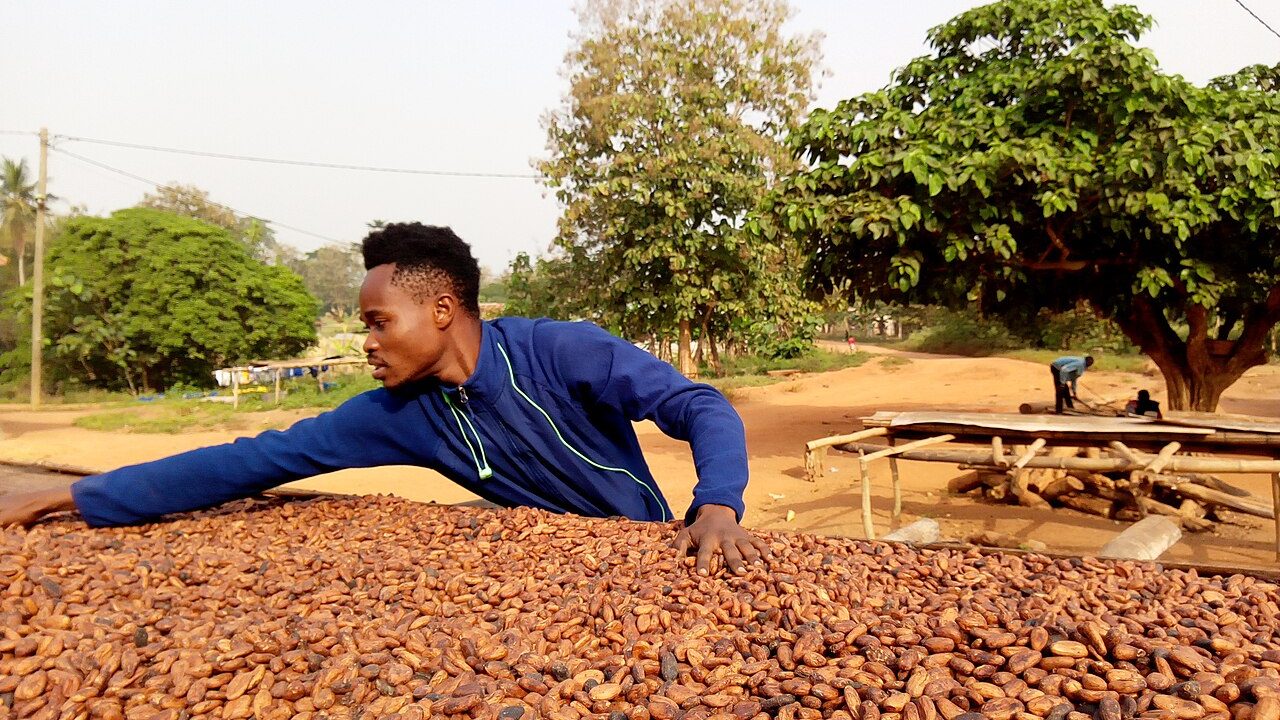
Every October, cocoa farmers across Ghana listen for one announcement: the producer price for the new season. The figure, set by the Ghana Cocoa Board, decides how much they earn for each bag of beans. The system behind it dates back to 1947, when the colonial government created a marketing board to control the sale of the Gold Coast’s most valuable crop.
Cocoa’s arrival
Cocoa became a major Gold Coast crop in the late nineteenth and early twentieth centuries. Tetteh Quarshie is credited with bringing seeds from Fernando Po in 1879. By the 1910s, the Gold Coast was the world’s leading cocoa producer, with the crop grown mostly by small farmers.
The 1947 board
Before 1947, European trading firms bought cocoa directly, and farmers resented low prices and buying agreements between firms. The Cocoa Marketing Board was created to buy all cocoa for export, stabilise prices and protect farmers from swings in world markets.
A source of state revenue
In practice, the board paid farmers less than world prices and kept the difference. Those surpluses funded colonial and later independent government projects. Critics argued that farmers were heavily taxed to pay for development elsewhere.
After independence
The marketing board remained central to Ghana’s economy after 1957. Cocoa was the main source of foreign exchange. In periods of low producer prices, some farmers smuggled beans into neighbouring Côte d’Ivoire and Togo, where prices were higher.
COCOBOD
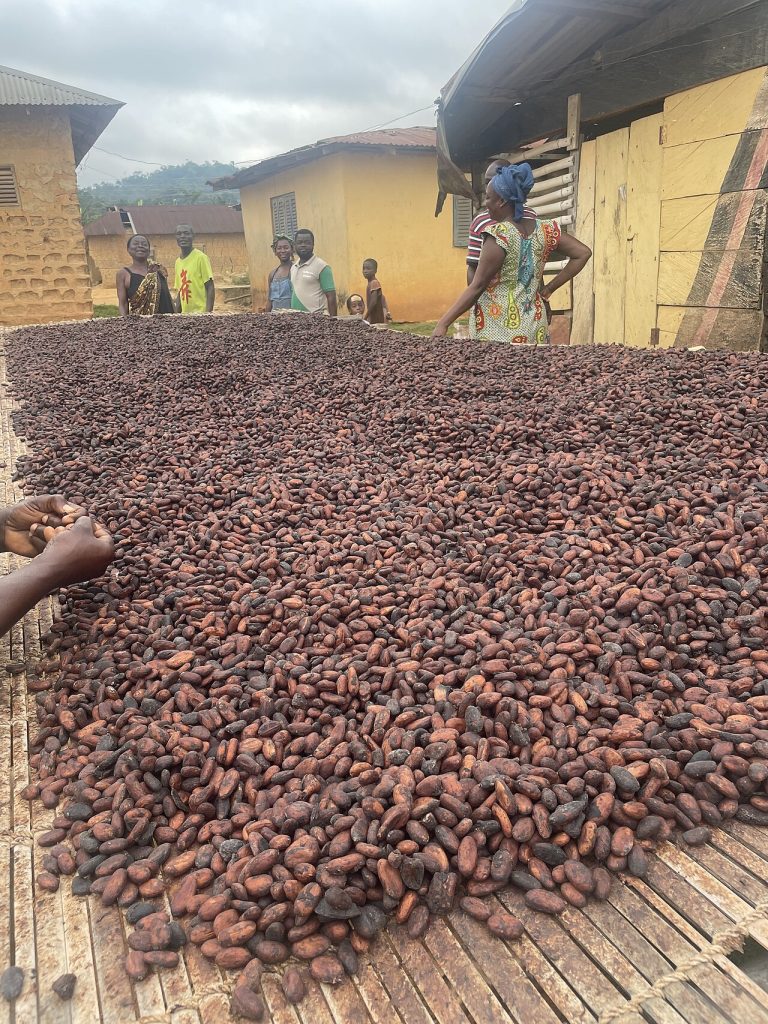
The board was later reorganised as the Ghana Cocoa Board, known as COCOBOD. It oversees research, quality control, disease control and marketing. Licensed buying companies purchase beans from farmers, but COCOBOD controls exports.
The syndicated loan
For many years, COCOBOD raised large syndicated loans from international banks each season, backed by forward sales of cocoa, to fund bean purchases. In recent seasons the board has faced financial pressure and changed parts of this model.
Quality
Ghana’s cocoa is known for high quality, partly because of strict grading and fermentation standards. Chocolate makers pay a premium for it.
Challenges
The industry faces swollen shoot disease, ageing trees, illegal mining on farmland, smuggling and the low share of value that reaches farmers. Prices on world markets rose sharply in 2024, raising questions about how much of the gain farmers would see.
The producer price
The annual producer price announcement is a political event as well as an economic one. Governments know that cocoa farmers are a large voting bloc, and price increases are often announced with ceremony.
The marketing board was created to protect farmers from the market. Seventy-nine years later, farmers are still asking whether it protects them or the treasury.