
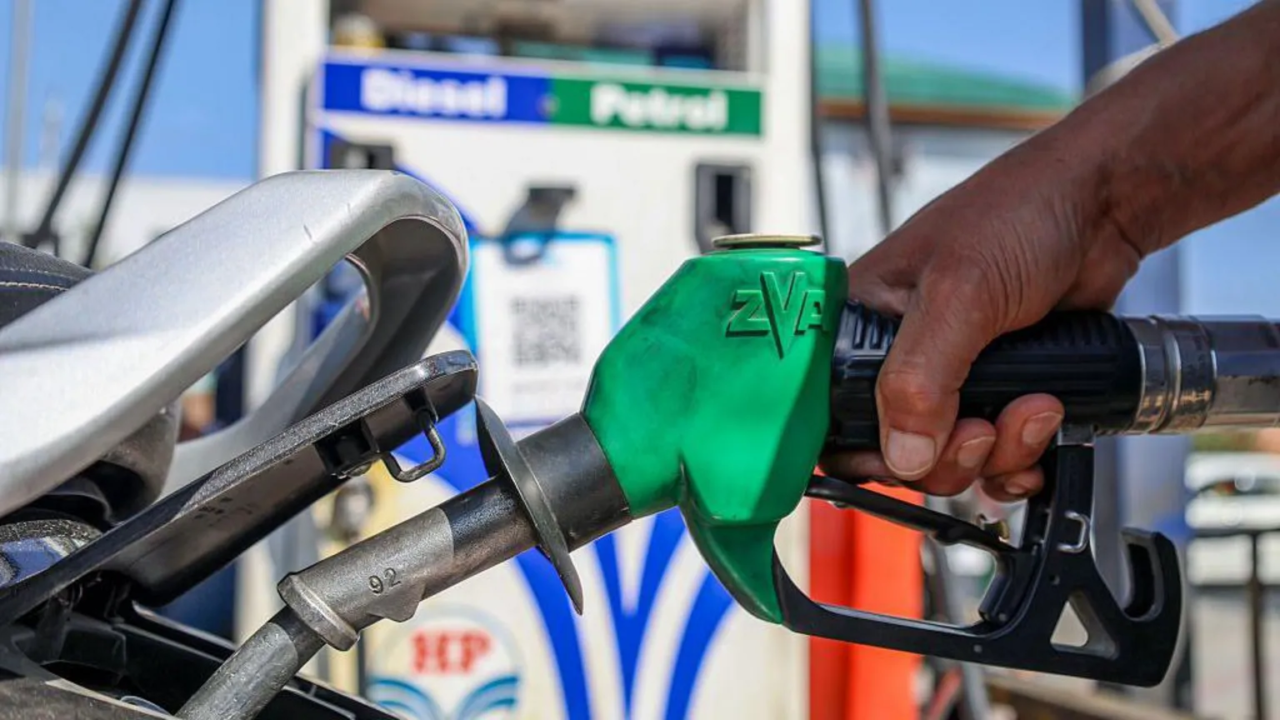
The Chamber of Petroleum Consumers (COPEC) has proposed that the government establish a strategic petroleum reserve to shield consumers from sudden increases in fuel prices and possible disruptions to supplies.
The proposal comes amid recent increases in petroleum prices, with diesel rising from about GH¢14 to GH¢16 per litre to nearly GH¢20 per litre within a relatively short period.
COPEC Seeks Fuel Reserve to Reduce Price Volatility
The Executive Secretary of COPEC, Duncan Amoah, said the reserve would allow the state to purchase and store petroleum products when international prices are favourable and release them onto the market when prices rise sharply. This would provide Ghana with a buffer against fluctuations on the international market and reduce the impact of sudden fuel price increases on consumers.
According to COPEC, the reserve could be deployed during periods of severe price increases or when international supply disruptions prevent fuel cargoes from reaching Ghana. This would enable the government to sustain fuel prices and reduce the impact of price shocks on consumers.
Building the Strategic Stock
COPEC suggested that between five and 10 per cent of products processed by local refineries could be set aside to build the strategic stock. Mr Amoah said, "The refineries seem to be working now, but I would advocate again that 5%, 10% of what the refineries are processing now, put it in a strategic reserve buffer."
This mechanism would allow the government to gradually build up the country's stock and reduce its reliance on international market volatility. By setting aside a portion of locally processed products, Ghana could develop a long-term mechanism to manage international market volatility.
Government Intervention Not Enough
While welcoming the government's recent decision to reduce the price of diesel by GH¢2 per litre, Mr Amoah said such measures should complement, rather than replace, a long-term strategy for managing fuel price volatility. He emphasized that the recent price movements highlight the need for Ghana to develop a long-term mechanism to manage international market volatility rather than relying mainly on interventions after prices have already risen.
The government should consider establishing a strategic petroleum reserve to shield consumers from sudden increases in fuel prices and possible disruptions to supplies. This would enable Ghana to develop a long-term mechanism to manage international market volatility and reduce the impact of sudden fuel price increases on consumers.
The COPEC proposal comes at a time when Ghana's economy is heavily reliant on fuel imports. A strategic petroleum reserve would provide the country with a buffer against fluctuations on the international market and enable the government to sustain fuel prices during periods of severe price increases or supply disruptions. As the government considers this proposal, it is essential to develop a long-term strategy for managing fuel price volatility and reducing the impact of price shocks on consumers.
Source: Joy Online