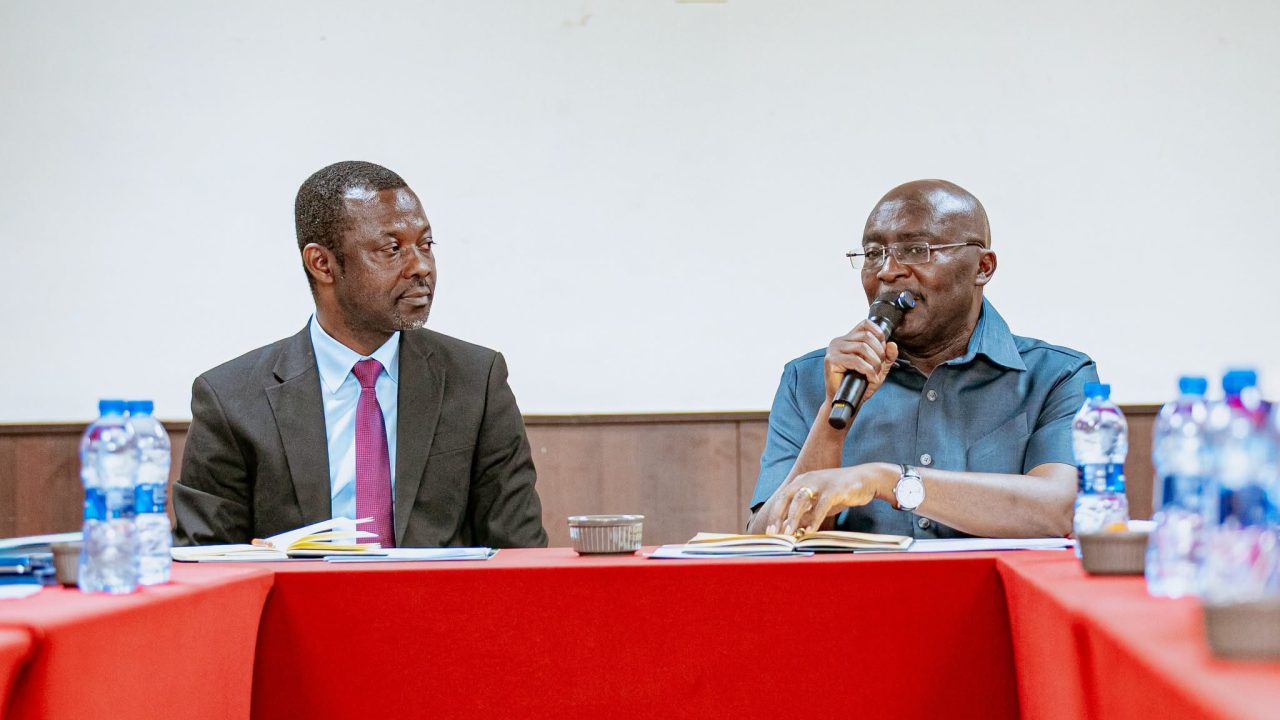
Dr Mahamudu Bawumia, the NPP’s 2028 presidential flagbearer, has called for urgent reforms in agricultural insurance and compulsory insurance coverage to expand Ghana’s insurance industry and support the economy. The call came after a meeting with the Insurance Brokers Association of Ghana (IBAG), where the association presented detailed proposals on how to improve insurance coverage and deepen the sector’s economic impact.
At the meeting, IBAG urged the government to develop agricultural insurance programs backed by state support. This would help protect farmers from the risks tied to agricultural production, a sector vulnerable to climate shocks and market fluctuations. The association also pressed for compulsory insurance policies, including Group Life and Workmen’s Compensation insurance, to cover more people and businesses.
IBAG proposed introducing decennial liability insurance specifically for road construction projects. This type of insurance would offer longer-term protection for infrastructure investments, which often face delays and cost overruns. The association also suggested steps to increase the role of local insurance brokers within the industry.
Dr Bawumia said these proposals made strong policy sense and could help transform the insurance brokerage sector. “My team and I will continue to engage IBAG in further policy discussions for the benefit of the industry and Ghana as a whole,” he told the meeting.
The meeting signals a fresh push to broaden insurance beyond its current reach. Ghana’s insurance penetration remains low, particularly in agriculture and infrastructure, sectors critical to the country’s growth. Insurance can reduce financial risks for farmers and contractors, encouraging investment and stability.
Agricultural insurance in Ghana has long struggled without consistent government backing. Smallholder farmers face losses from drought, pests, and floods, which often wipe out incomes. With government support, insurance could provide a safety net, making farming more viable and less risky.
Compulsory Group Life insurance and Workmen’s Compensation insurance would expand protections for workers and their families. Currently, many workers operate without these safeguards, leaving them vulnerable in the event of injury or death.
The proposal for decennial liability insurance would cover defects or failures in road projects for ten years after completion. This insurance is common in other countries but has not been widely adopted in Ghana. It could improve accountability among contractors and safeguard public investments.
IBAG’s push to strengthen local brokers aims to increase domestic participation in the insurance market. This could help reduce reliance on foreign firms and build local expertise.
Dr Bawumia’s engagement with IBAG reflects broader government interest in reforming the insurance sector. His role as flagbearer means these proposals could shape future policy if the NPP wins the 2028 elections. The meeting shows a willingness to listen to industry voices and consider practical steps for growth.
The insurance industry's current contribution to Ghana’s economy is limited but has potential to grow. Expanding insurance coverage in agriculture and infrastructure could protect livelihoods and investments, supporting broader economic development.
Dr Bawumia’s statement promised ongoing dialogue with IBAG. The next steps will involve detailed policy work to turn proposals into actionable reforms. How these reforms will be funded and implemented remains to be seen.
The meeting did not provide a timeline for introducing these insurance reforms, nor details on government commitments. IBAG’s proposals represent a significant agenda for change in Ghana’s insurance sector, but success depends on political will and practical follow-through.
For now, the focus is on discussions between government representatives and insurance brokers to refine policies that could open new opportunities for Ghana’s economy through better risk management.
According to Joy Online.