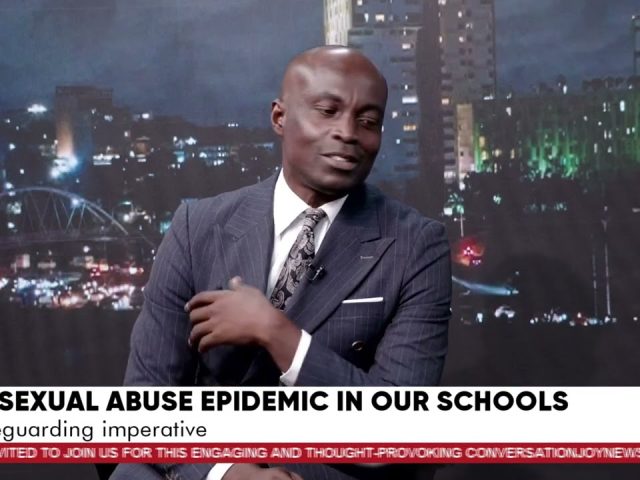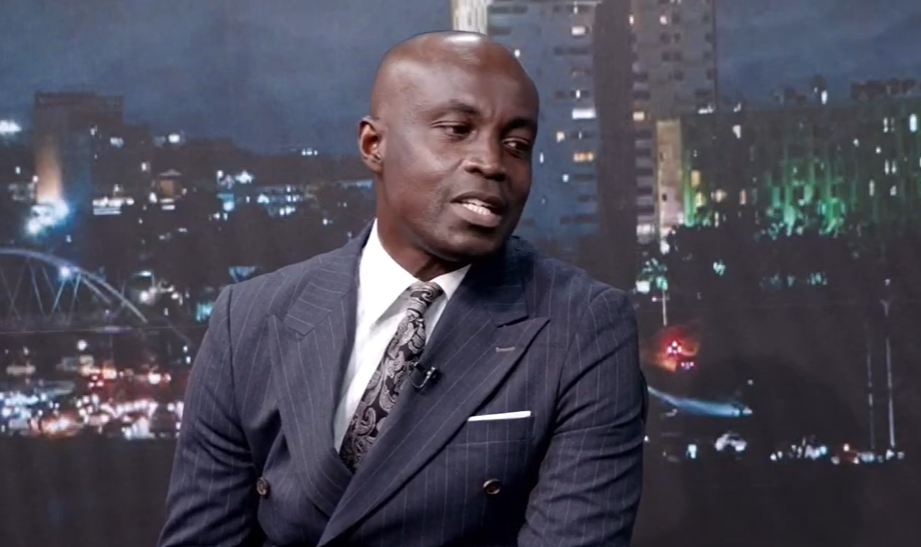
A teacher at Ekumpoano Catholic Basic School has described a pattern of transactional sex involving female students and teachers, driven by financial hardship and lack of support. Stephen Desu said some girls seek money from teachers in exchange for sex, while some teachers provide money during times when schools struggle to feed students.
Speaking on Joy News’ PM Express on Tuesday, October 20, Mr Desu linked these relationships to broader economic pressures on students. “There are girls in schools who position themselves to sexually exploit teachers for their money whilst teachers get sex from them in a transactional relationship,” he said.
He pointed to periods when food provision was inconsistent at schools. “Especially when this food issue came up in our schools, where they’re not getting food. Some teachers stepped up, and they were giving the girls money, and they were exchanging sex for the money they were giving them,” Mr Desu explained.
The teacher urged parents to question how their daughters meet basic needs while away at school, especially if financial support is scarce. “If you leave your girl child in school and you don’t support her with money and she’s surviving, you as a parent, what makes you think that that child is surviving just because she’s just there?” he asked.
Mr Desu’s comments come amid intense scrutiny of sexual abuse allegations at Obuasi Senior High Technical School (SHTS), where more than 14 female students have accused school staff of abuse. The headmaster of Obuasi SHTS, Zakaria Abdulai, has been interdicted by the Ghana Education Service (GES) and arrested by police as investigations continue.
The case gained national attention through reports by JoyNews investigative correspondent Manasseh Azure Awuni and has reopened debates about protecting students and handling complaints of sexual misconduct in schools.
While Mr Desu described some relationships as transactional, any sexual involvement between teachers and students raises concerns over power imbalances and the duty of care owed by educators. Financial vulnerability among students may increase their risk of exploitation.
Mr Desu acknowledged the challenge within a large teaching workforce, saying, “I mean, all professions can boast, but the teacher taught them all. So we position ourselves as the noble profession. Unfortunately, if you have more than 300,000 persons in your classroom as teachers, you may get such persons as predators.”
His remarks underscore the difficulty of protecting students when economic hardship intersects with school environments. The issue at Ekumpoano and Obuasi SHTS reflects broader tensions in Ghanaian education, where poverty and inadequate resources can expose students to harm.
The investigation into the Obuasi SHTS case remains ongoing, and the Ghana Education Service has yet to announce further disciplinary or legal actions beyond the interdiction of the school’s headmaster.
The situation at Ekumpoano Catholic Basic School adds another dimension to the national discussion about safeguarding students, financial pressures, and the conduct of teachers within Ghana’s education system.
According to Joy Online.