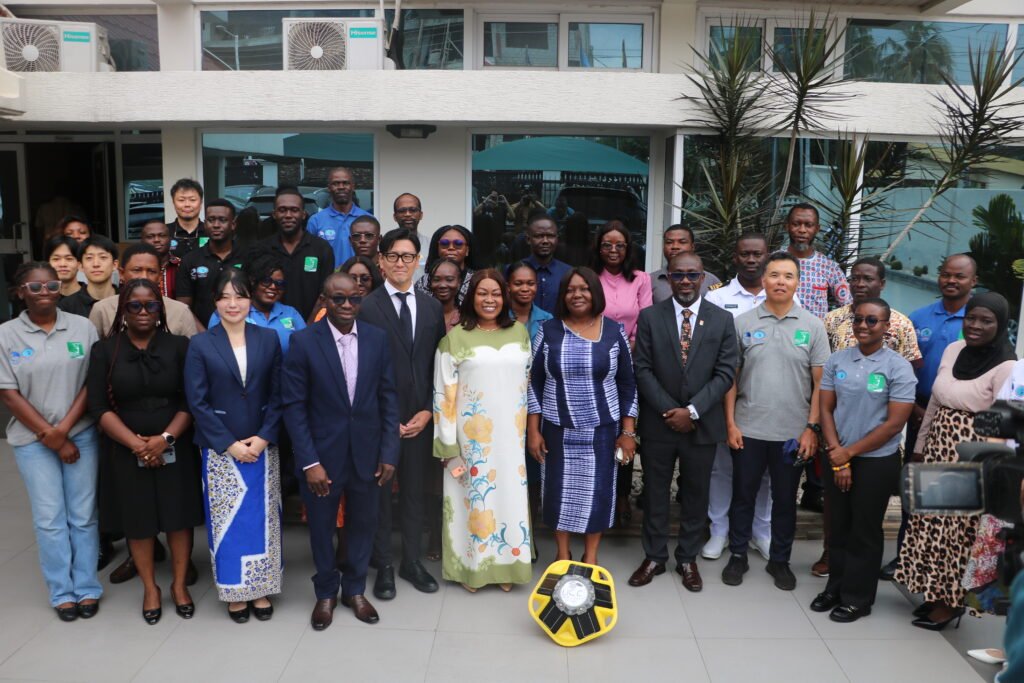
Ghana's beaches are facing a severe threat of erosion, with researchers warning that the decline in sediment discharge from the Volta River could accelerate the situation in the coming years. The warning follows preliminary findings from the Integrated Sediment and Environmental Management Project, a five-year initiative led by the University of Cape Coast.
Coastal Erosion Hotspots Identified
Researchers have identified the Volta River and Densu Delta areas as some of the most seriously affected by coastal erosion. Field observations have revealed the scale of the problem, with researchers recording about 10 metres of beach loss at Dzita in the Volta Region within just two months.
The Integrated Sediment and Environmental Management Project is using satellite data, cameras, drones, wave sensors, and other equipment to monitor shoreline changes, sediment movement, and coastal hazards. This equipment will allow researchers to measure wave heights, the extent of coastal erosion, bathymetry, salinity, and other marine and ecological conditions.
Sediment Decline a Serious Concern
Professor Yoshimitsu Tajima, lead researcher from the University of Tokyo, says the decline in sediment from the Volta River could worsen the situation. "The amount of sediment around the Volta River is very quickly decreasing. So, maybe in the future, the shoreline retreat will be accelerated, and that will be a serious problem."
The Vice Chancellor of the University of Cape Coast, Professor Dennis Aheto, says the project will provide stronger scientific evidence to support coastal management decisions. "We can feed into broader models for us to make recommendations for proper decision-making."
Predictive Systems to Protect Ghana's Coastline
The project is expected to develop predictive systems that can help identify appropriate short and long-term measures to protect Ghana's coastline. This will involve the use of data collected by the project to inform decision-making and develop strategies to mitigate the effects of coastal erosion.
The development of these predictive systems is expected to be a significant step forward in Ghana's efforts to protect its coastline. With the help of this technology, the country can better understand the risks associated with coastal erosion and take proactive steps to address them.
What's Next for Ghana's Coastline?
The Integrated Sediment and Environmental Management Project is expected to provide valuable insights into the causes and effects of coastal erosion in Ghana. The project's findings will inform decision-making and help develop strategies to protect the country's coastline.
In the coming years, Ghana will need to take proactive steps to address the threat of coastal erosion. This will involve the use of technology, data, and research to inform decision-making and develop effective strategies to mitigate the effects of coastal erosion. By working together, Ghana can protect its coastline and ensure the long-term sustainability of its coastal communities.
Source: Joy Online