
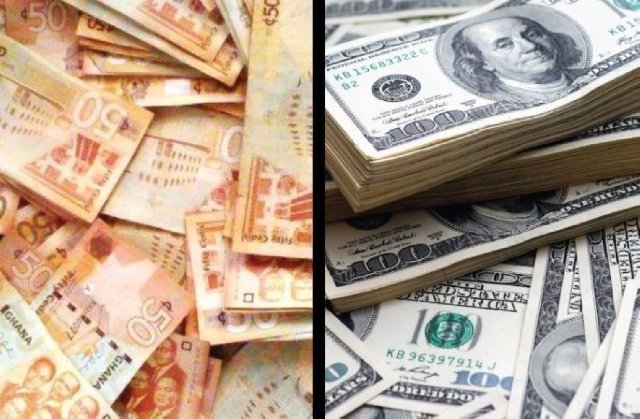
The Ghana cedi depreciated by 3.1% against the US dollar in July 2026, reversing most of its June gain. This marked a significant drop in the currency's value, leaving the Bank of Ghana to reassess its foreign exchange intervention strategy.
Ghana Cedi's Year-to-Date Loss Reaches 10.4%
The cedi's depreciation in July brought its year-to-date loss to 10.4% in the interbank market. Market analysts attribute the decline to a rebound in foreign exchange demand, driven by energy and other imports. The foreign exchange demand had retreated in June, but rebounded in July, leading to a significant drop in the cedi's value.
Eurobond Payment and Forex Intervention Trim Reserves
The Bank of Ghana's payment of $700 million in Eurobonds and its $811 million forex intervention in June trimmed the country's gross foreign reserves by $1.2 billion to $12.9 billion. This reduced the Bank of Ghana's capacity for regular intervention in the foreign exchange market, leaving the cedi vulnerable to further depreciation.
Cedi Trading at GH¢12.42 in Retail Market
The cedi is currently trading at GH¢12.42 in the retail market, while it is trading at GH¢ in the interbank market. The Bank of Ghana had previously noted that the cedi had depreciated by approximately 8.4% against the US dollar in the interbank market in the first five months of 2026.
Sustained Import Demand and Cautious Forex Supply
The poor performance of the cedi has been attributed to sustained import demand and cautious forex supply conditions. The sentiment in the market has been influenced by recent financial position concerns of the Bank of Ghana. This has led to a decline in investor confidence, further exacerbating the cedi's depreciation.
What Happens Next
The Bank of Ghana is expected to continue its regular intermediation in the foreign exchange market, albeit with a constrained intervention capacity. This will leave the cedi at a slight downside risk in August 2026. As the country's economic situation continues to evolve, it remains to be seen how the Bank of Ghana will address the challenges facing the cedi.
Source: Joy Online