
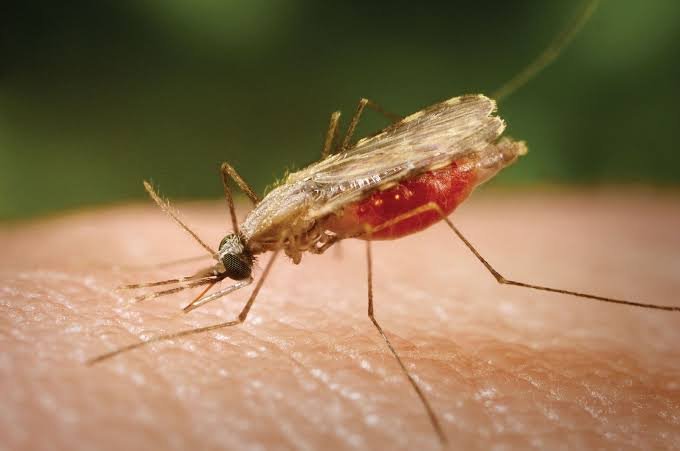
Ghana is projected to see a significant decline in malaria cases by 2100, with the disease retreating from hotspots and new risk emerging in cooler areas. However, the same rising heat that is expected to ease Ghana's malaria burden is also projected to bring a growing risk to human life through heat exposure itself.
Falling Malaria Risk
A recent study published in the journal Nature analyzed over 50,000 medical surveys spanning 116 years to measure how climate change is reshaping malaria across Africa. The study, led by Colin J. Carlson, found that climate change has already reduced malaria prevalence in Ghana by an estimated 4.94 cases per 1,000 children, compared to a world without human-caused warming. This reduction is projected to grow to 7.85 cases per 1,000 children by 2050, and to 15.12 cases per 1,000 children by 2100.
According to Tamma Carleton, Faculty Head of Research at the Climate Impact Lab, "Climate change isn't just making malaria worse or better, it's moving it. Whether a place sees elevated malaria risks or reduced burdens under climate change depends on how hot it is today." Ghana's projected improvement sits in the middle of the pack regionally, with bigger declines projected in neighboring countries like Burkina Faso and Mali.
Rising Heat Deaths
However, a separate Climate Impact Lab report found that climate-driven temperature changes could cause about 430,000 additional deaths globally each year by 2050, with heat-related deaths projected to be roughly 10 times higher in poor countries than in wealthy ones. In Ghana, heat-related deaths are projected to rise by 19 per 100,000 people nationally by 2050, with sharper increases in the country's most exposed regions.
The same report found that Ghana's neighbors are expected to face even greater heat-related death tolls. Burkina Faso is projected to see 60 additional deaths per 100,000, Mali 37, Chad 47, and Niger a striking 68, among the highest in the world. By comparison, Nigeria's projected increase is a much smaller 8 deaths per 100,000, and Senegal's is 16.
Not Enough Power to Cool Down
A third Climate Impact Lab report explains why rising heat is so dangerous in places like Ghana: many communities don't have enough electricity growth to power the fans and air conditioners that could protect them. Ghana is one of 18 countries caught in what the report calls the Mortality-Cooling Trap, where heat deaths are rising sharply, but electricity supply isn't growing fast enough to help. About 31% of Ghana's population lives in these high-risk, low-electricity-growth areas, where mortality is projected to rise by 30 deaths per 100,000 people alongside only a modest 0.07 gigajoules per capita increase in electricity.
The situation is serious, but not the most extreme in the region. Burkina Faso and Mali each have 99% of their populations living in Mortality-Cooling Trap conditions, compared to Ghana's 31%. Senegal sits in between, at 43%. Nigeria, notably, does not appear on the trapped-countries list at all, and is instead projected to see a healthier 23% increase in national electricity consumption, giving it a better chance of using cooling technology to protect its people.
Ghana's situation highlights the need for urgent action to address the country's energy gap and protect its population from the growing risks of heat exposure. With the country projected to see a significant decline in malaria cases, but also a growing risk to human life through heat exposure, it is essential that policymakers and stakeholders work together to develop and implement effective solutions to mitigate these risks and protect the health and well-being of Ghana's citizens.
Source: Joy Online