
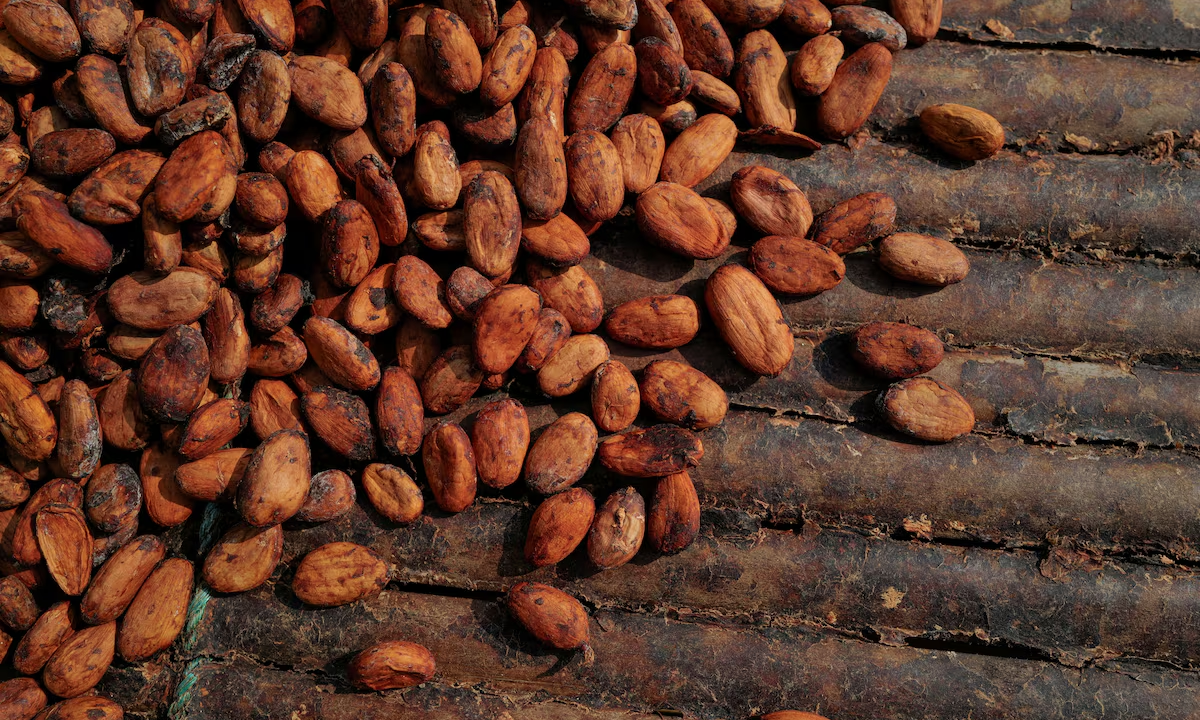
Ghana's cocoa production is expected to take a significant hit this season, with market regulator COCOBOD projecting a 16% decline. The regulator cited weather effects, the crop's natural fruit-bearing cycle, and disease as contributing factors.
Cocoa Farmers Bracing for Impact in Western Regions
The decline in production is expected to be particularly pronounced in the Western and Western North regions, which together account for more than half of Ghana's output. COCOBOD attributed the low cherelle load in these regions to a combination of factors, including excessive rain in May and June, swollen shoot disease, ageing cocoa farms, and an increase in illegal gold mining. This practice, known locally as galamsey, has led to farms being taken over by miners, further exacerbating the issue.
COCOBOD Takes Action to Limit Losses
To mitigate the impact of the decline, COCOBOD has taken several measures, including rehabilitating infected farms in the Western North Region, expanding insecticide and fungicide spraying, and reintroducing a nationwide free fertiliser distribution scheme for the 2026/27 crop year. While these efforts aim to limit losses, the regulator acknowledged that the outlook remains challenging. The projection for the 12-month season that begins in September follows warnings from farmers in the Western and Western North regions, who reported sharply reduced pod counts this season.
Regional and Global Implications
The decline in Ghana's cocoa output comes on the heels of warnings from farmers in the Western and Western North regions. The region's ageing cocoa farms and the spread of swollen shoot disease have already taken a toll on production. Meanwhile, the Ivory Coast, the world's biggest cocoa producer, is expected to see a 10% decline in output next season. The ripple effects of these declines will be felt globally, particularly in the chocolate industry, which relies heavily on cocoa imports.
Looking Ahead
As the 2026/27 crop year unfolds, the focus will shift to supporting farmers and implementing measures to boost production. COCOBOD's efforts to rehabilitate infected farms and expand spraying and fertiliser distribution will be crucial in mitigating the impact of the decline. While the road ahead remains uncertain, one thing is clear: the global cocoa market is in for a challenging time.
Source: Joy Online