Ghana's Creative Industry Still Waiting for GH¢40m
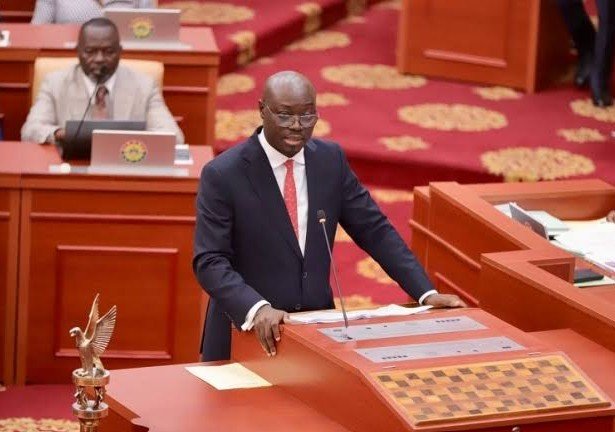
When Finance Minister Dr. Cassiel Ato Forson presented the 2026 Budget last November, Ghana's creative industry finally had reason to celebrate. For years, practitioners had called for dedicated public financing to unlock the sector's enormous economic potential, and government responded by announcing two flagship interventions: a GH¢20 million Film Fund and a GH¢20 million Creative Arts Fund.
Eight months later, the Mid-Year Fiscal Policy Review has arrived, but the promised funds remain nowhere to be found. Parliament has been updated on the implementation of numerous government programmes, yet the Finance Minister's statement makes no mention of the two funds.
The Missing GH¢40 Million
The Mid-Year Review provides updates on funding and implementation for several flagship initiatives, including the Big Push Programme, the National Apprenticeship Programme, Youth Employment interventions, MahamaCares, and even preparations for Ghana's participation in the FIFA World Cup. However, when it comes to the Film Fund and the Creative Arts Fund, there is only silence.
President John Dramani Mahama has since disclosed that the GH¢20 million Film Fund had already been disbursed and that industry stakeholders were determining how the money should be invested. He also reaffirmed that another GH¢20 million had been allocated to the Creative Arts Fund to support practitioners across the wider sector.
Questions Remain Unanswered
If the funds have indeed been released, why were they omitted from the Mid-Year Fiscal Policy Review? Why has there been no formal public update on their implementation, governance arrangements, or disbursement mechanisms? For an industry that has consistently called for transparency and accountability, those questions deserve answers.
The absence of any mention of the funds in the Mid-Year Review raises concerns about the government's commitment to the creative sector. The industry has been waiting decades for structured public investment, and the omission of the funds from the review is significant.
A Missed Opportunity
The Mid-Year Review offers little that directly advances Ghana's creative economy, despite mounting evidence globally that the creative economy is not merely a cultural asset but an economic one. Countries across Africa are investing in film production, music exports, animation, gaming, and digital storytelling as engines of growth, and Ghana cannot afford to remain on the sidelines.
The government's intention to apply VAT to foreign digital platforms serving Ghanaian consumers is a tax administration measure that has far-reaching implications. If implemented, it is likely to affect the future economics of Ghana's digital creative ecosystem. Will streaming platforms absorb the additional tax? Will subscription prices increase for Ghanaian consumers? Will higher costs reduce demand for digital entertainment? These questions remain unanswered.
A Glimmer of Hope
Not everything in the Mid-Year Review is disappointing for creatives. Government's decision to extend the zero-rating of VAT on locally manufactured textiles until 2028 is welcome news for Ghana's fashion industry. Textile producers, garment manufacturers, and fashion designers stand to benefit from lower production costs and improved competitiveness.
The increase in the VAT registration threshold is also a relief for smaller creative businesses, including production houses, photographers, event organisers, designers, agencies, and independent studios. Many of these businesses may no longer be required to register for VAT, reducing compliance costs and allowing them to reinvest more resources into growth.
What Happens Next
The promise has been made, but the industry deserves implementation, transparency, and results. Industry stakeholders deserve to know how the funds will be governed, who qualifies for support, how applications will be assessed, and what accountability mechanisms will ensure the resources reach practitioners rather than becoming another political initiative that fades with time. The creative industry is waiting for Ghana to treat it as a strategic pillar of national development rather than an occasional campaign promise.
Source: Joy Online