
The Ministry of Education has pushed for more data-driven discussions with Ghana’s teacher unions to end the ongoing strike that has kept classrooms empty across the country.
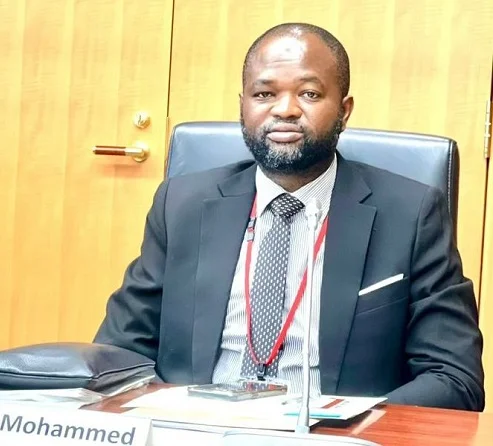
On Monday, Education Ministry Press Secretary Hashmin Mohammed told Joy FM’s Top Story programme that the dispute over teachers’ conditions is a problem inherited by the current government. He said the ministry has started talks with the Ghana National Association of Teachers (GNAT), the National Association of Graduate Teachers (NAGRAT), and the Pre-Tertiary Teachers Association of Ghana (PRETAG), the three main pre-tertiary teacher unions.
Education Minister Haruna Iddrisu met the unions’ leadership at the ministry as part of efforts to resolve the stalemate. Mr Mohammed said the meeting aimed to create a stronger platform for dialogue and to ensure all parties understand the issues clearly.
“This issue is one the current government has inherited,” Mr Mohammed said. “The ministry has been working with other agencies to begin negotiations. Where adequate engagement had not existed before, the Education Minister has created a pathway for stronger discussions.”
He added that the goal is to reach an agreement that will allow teachers to return to classrooms without further delay. The discussions, he said, need to be ongoing because some of the issues require careful examination of available data.
Mr Mohammed gave the example of rural and deprived-area allowances, a major point of contention. “It is not all teachers who teach in rural areas who qualify,” he said. “The ministry or Controller needs to have data on who will be affected because it is not all teachers in rural locations.”
He explained that the authorities must identify and separate the data properly to know exactly which teachers qualify for specific allowances. This approach is meant to avoid mistakes in payment and prevent ghost names—false records that could waste funds.
“We need to sit down and be able to disaggregate the data and get it right so that we will not have ghost names,” Mr Mohammed said.
The strike has disrupted education across Ghana’s public schools, affecting millions of students. The teacher unions have demanded better pay and working conditions, with rural allowances and other benefits among their key demands.
The government has said it wants to resolve the matter quickly but insists on clear data to back any payments or policy changes. The discussions at the Ministry of Education on Monday follow earlier attempts at negotiation, which did not prevent the strike.
Mr Mohammed’s comments on Joy FM suggest the ministry is aiming for a more structured and transparent approach to negotiations, one that relies on verified information rather than assumptions.
The unions have yet to announce their response to the ministry’s call for renewed talks. The education sector remains on edge as the strike continues, with no return date set.
For now, the emphasis on data shows the government’s focus on avoiding past errors and ensuring that any allowances or benefits reach the right teachers. Whether this approach will lead to a quick end to the strike remains to be seen.
According to Joy Online.