Ghana is set to face a significant increase in heat-related deaths, with the country projected to see 19 additional heat-related deaths for every 100,000 people by 2050. The Climate Impact Lab's new energy-focused report warns that Ghana's electricity supply is not growing quickly enough to power the fans and air conditioners that could keep people cool and alive.
Electricity Shortfall Exacerbates Heatwave Threat
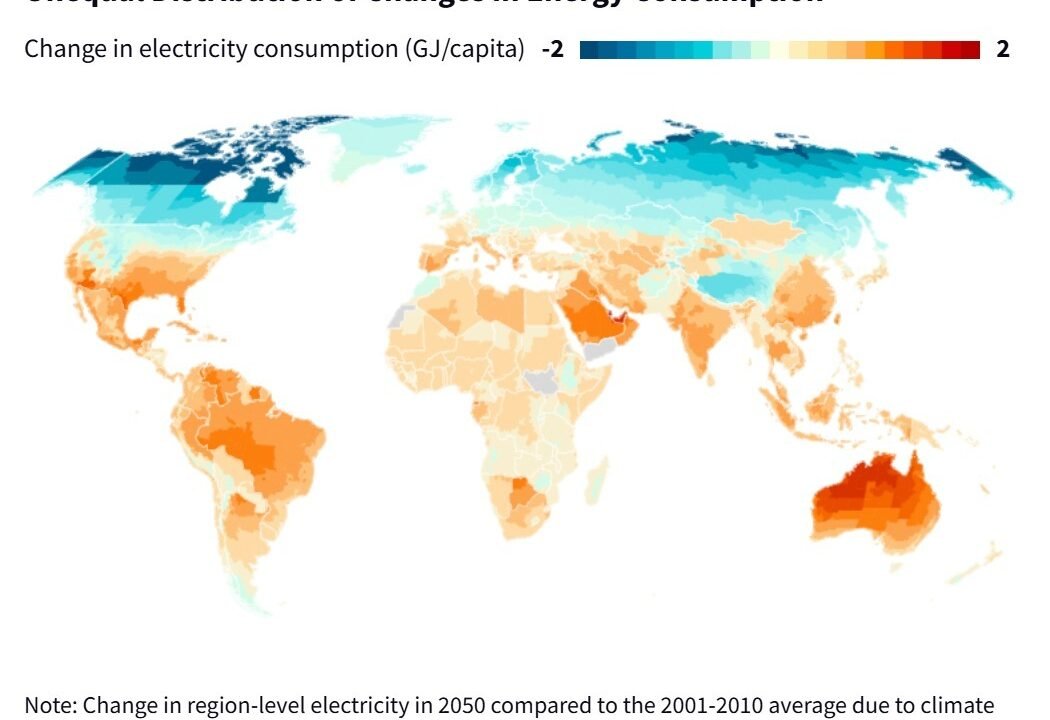
Ghana's situation is part of a much bigger energy story playing out across the world, with climate-driven temperature changes on track to contribute to about 430,000 additional deaths every year by 2050. The report finds that access to electricity, especially the power needed to keep people cool during extreme heat, is dangerously unequal. Michael Greenstone, a co-founder of the Climate Impact Lab, says, "Air conditioning is a lifesaver, and climate change will no doubt lead to more AC adoption in today's wealthy countries. Our research finds, however, that in too many countries around the world people will not be able to respond in the same way."
Africa Most Affected by Electricity Shortage
Nowhere is this energy gap clearer than in Africa, especially across the Sahel. Thirteen of the 18 trapped countries sit in northern sub-Saharan Africa, including Niger, Mali, Burkina Faso, and Chad, with the rest concentrated in Southern Asia. The biggest increases in heat-related deaths across Africa are expected in Niger (68 additional deaths per 100,000), followed by Burkina Faso (60), Djibouti (55), Chad (47), and Mauritania (42). Yet these are also some of the countries expected to see only tiny increases in electricity supply.
Ghana's Electricity Growth Falls Short
Ghana's electricity supply is not growing quickly enough to meet the needs of its population. The report projects that Ghana will see a relatively small increase in electricity consumption, with a projected 0.06 GJ/capita rise. This is compared to Nigeria, which is projected to see a much healthier 23% increase in electricity consumption (0.07 GJ/capita). Ghana's situation is mixed compared to its neighbors, with Burkina Faso projected to fare worse and Côte d'Ivoire projected to fare better.
The Consequences of Inaction
The consequences of inaction will be severe, with the report projecting that Ghana could see over 4,000 additional heat-related deaths every year by 2050. This is a stark reminder of the need for urgent action to improve the functioning of Ghana's electricity markets and identify other successful adaptations that can save lives. Ashwin Rode, a fellow at the Climate Impact Lab, says, "Communities will need to find ways to protect people from heat like improved energy access, employment opportunities, and education."
The report's findings are a clarion bell that many countries do not have much time to improve the functioning of their electricity markets so they deliver inexpensive and reliable energy and identify other successful adaptations that can save lives. The onus is now on Ghana's government and citizens to take action to protect themselves from the heat and ensure that the country's electricity supply meets the needs of its population.
Source: Joy Online